Leave Your Message
-
Phone
-
E-mail
-
Whatsapp

-
Wechat

Engineered for Nigerian processing plants in Lagos, Aba, Kano, and Onitsha with superior heat stability, clarity, and mechanical performance.


A comprehensive analysis of how West Africa's biggest economy is reshaping polymer consumption through industrial localization, import substitution, and rapid urbanization.
The Federal Republic of Nigeria represents the largest and most dynamic economy in Sub-Saharan Africa, with a population surpassing 220 million people. Over the past decade, Nigeria’s manufacturing sector has undergone a profound transformation. While the country historically relied heavily on the direct importation of fully finished plastic commodities, shifting trade policies by the Federal Government, heightened tariffs on consumer plastic goods, and currency adjustment strategies have catalyzed a decisive pivot toward localized plastics fabrication and domestic compounding. Consequently, the Nigerian demand for high-grade wholesale transparent PVC granules has soared to unprecedented levels.
From the bustling manufacturing zones of Ikeja, Oshodi, and Ikorodu in Lagos State to the sprawling industrial corridors of Agbara and Sagamu in Ogun State, hundreds of extrusion and injection factories require high-purity clear PVC pellets daily for electrical conduit production, transparent hose lines, consumer packaging, and building profiles.
Aba (Abia State) and the commercial cluster of Onitsha (Anambra State) represent the heart of West Africa’s footwear, jelly shoe, and sole molding industry. Millions of sandals, translucent shoe soles, and water boots are molded monthly, heavily driving volume demand for plasticized, crystal-clear PVC resin compounds.
National efforts to expand domestic pharmaceutical formulations and medical device manufacturing have triggered steady demand for non-toxic, USP Class VI medical-grade transparent PVC granules. These compounds supply infusion drip chambers, blood bags, urine drainage systems, and thermoformable blister packaging for medicine capsules.
Polyvinyl Chloride (PVC) is inherently one of the most versatile synthetic polymers known to modern engineering. However, achieving genuine optical transparency in PVC compounds requires sophisticated formulation techniques. Pure suspension PVC resin must be precisely blended with specialized organic tin or calcium-zinc heat stabilizers, high-clarity plasticizers (such as DOP, DOTP, or bio-based citrates), internal and external lubricants, and UV absorbers to avoid discoloration during thermal processing.
For factory owners and procurement directors operating in Nigeria, securing stable, batch-consistent transparent PVC granules is critical due to specific local operational realities:



Targeted material solutions engineered to meet the stringent mechanical and physical requirements of local downstream converters.
In Nigeria, affordable, durable footwear is a colossal everyday consumer market. Translucent jelly sandals, water-resistant rainy season slip-ons, and crystal sneaker outsoles require soft PVC compounds ranging from Shore 55A to 75A hardness. Our transparent PVC pellets are engineered with high mechanical tear resistance, excellent flex fatigue endurance, and pleasant scent masterbatch compatibility, allowing Nigerian footwear factories to produce crystal-clear shoes that resist clouding and yellowing over extended shelf life.
The agricultural belt across Middle Belt states (Benue, Plateau, Niger) and urban construction in Lagos require durable fluid transfer hoses. Transparent PVC compounds with anti-kink additives, high tensile elongation, and crystal transparency allow end-users to visually monitor water and chemical flow. Our granules run smoothly on single-screw extruders commonly utilized in Nigerian workshops with zero die-drool and minimal melt fracture.
Under National Agency for Food and Drug Administration and Control (NAFDAC) guidelines, healthcare packaging standards in Nigeria have escalated. We supply non-toxic, DEHP-free, and lead-free rigid and flexible PVC compounds. These materials satisfy rigorous medical packaging criteria, ensuring clear visibility, sterile barrier maintenance, and resistance to environmental stress cracking under hot and humid African storage conditions.
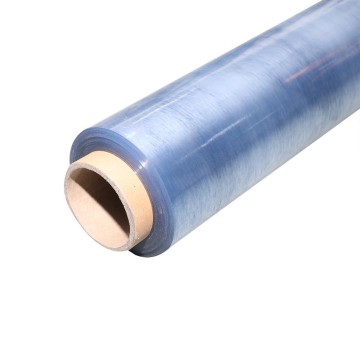
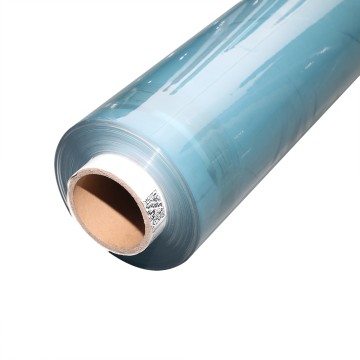
Cold chain logistics is rapidly developing across Nigeria’s commercial food hubs, abattoirs, and pharmaceutical distribution warehouses. Super transparent PVC films and heavy-gauge door strip curtains preserve internal refrigeration while allowing unobstructed visual clearance for forklift operations. Our factory’s low-temperature crack resistance formulations ensure strips remain flexible without stiffening or clouding.
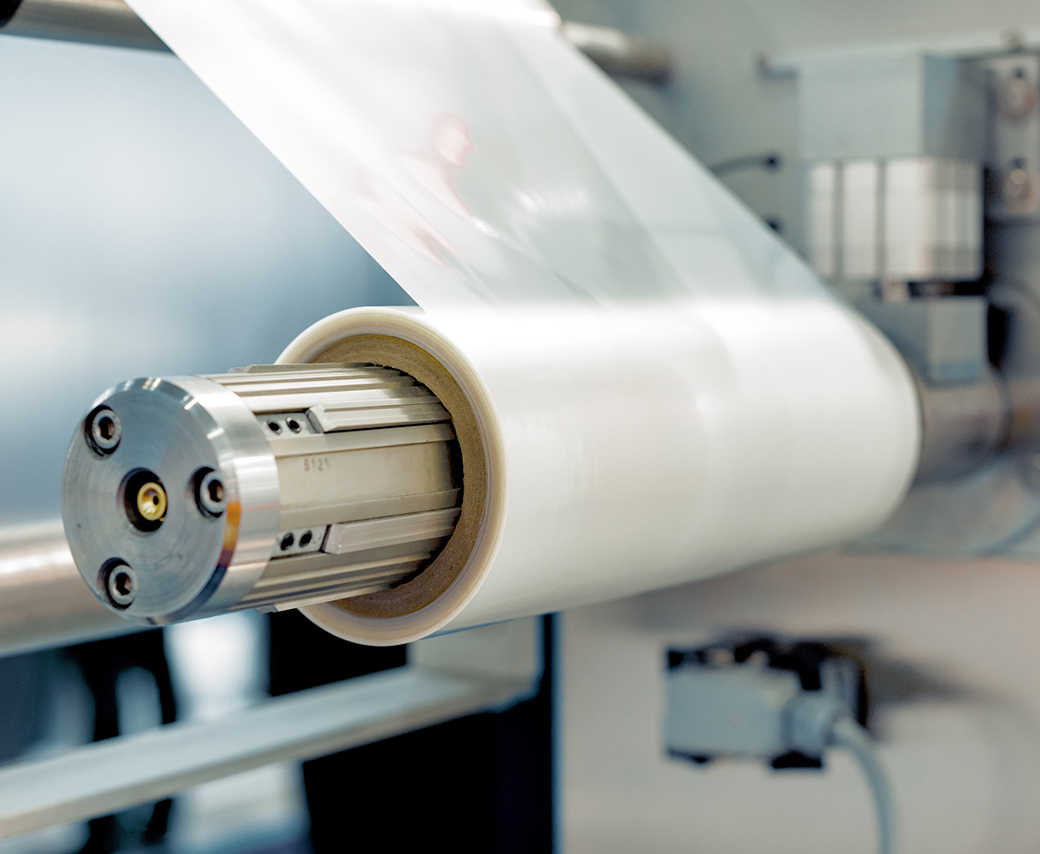

The company is mainly engaged in plastic film products, and the future development direction of the enterprise is to build a high-tech enterprise of intelligent medical polymer materials, become a leader in the domestic polymer materials application industry, and build a world-class brand.
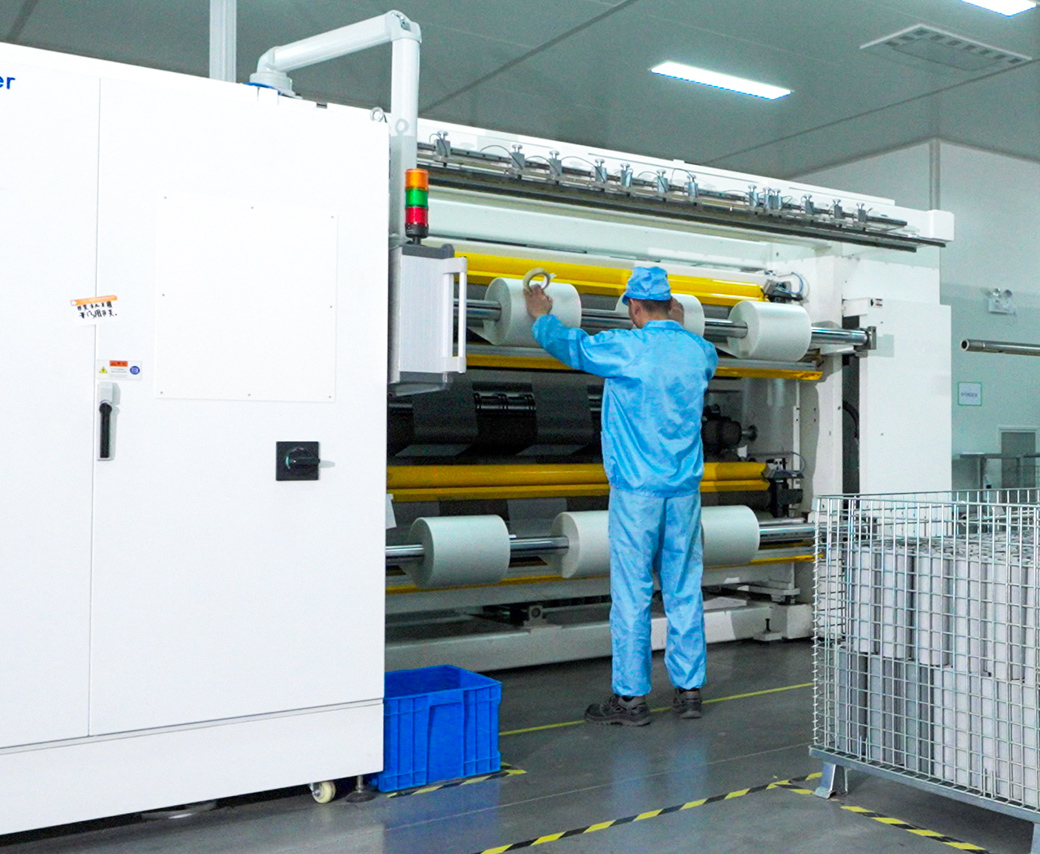

Our extensive portfolio of patents reflects our commitment to pioneering advanced materials and manufacturing processes. These patents cover a wide range of innovations, from novel formulations that enhance durability and flexibility.
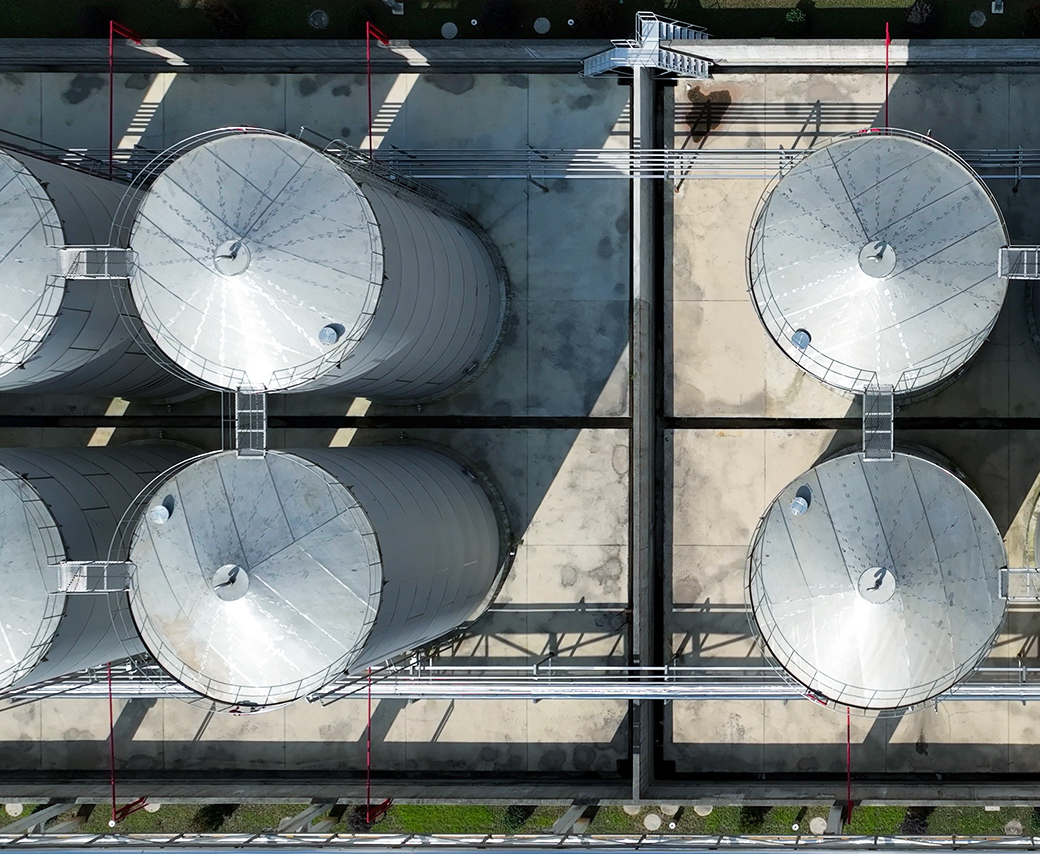

We adhere to stringent international standards such as ISO 9001, ensuring every batch of plastic film meets the highest levels of consistency and reliability.
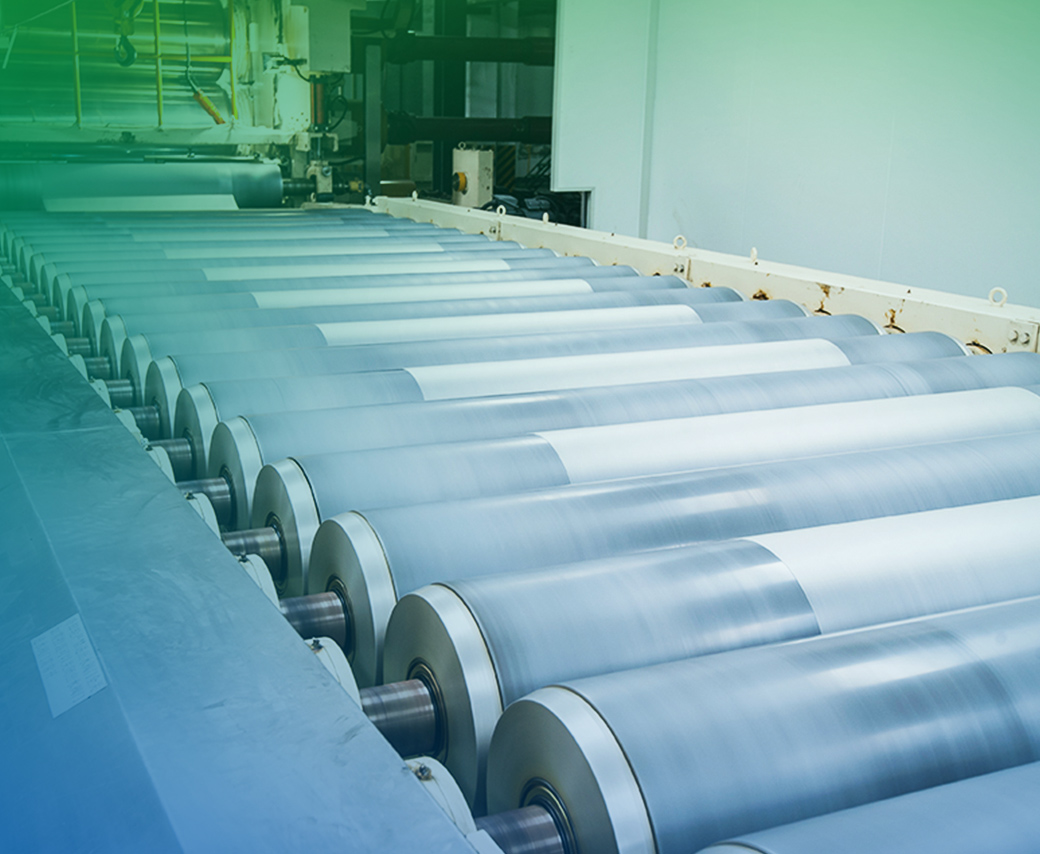

If you are interested in our PVC films and related products, or have any questions or needs, please feel free to contact Jiangsu Dahai Plastics Co., Ltd. Our professional team is ready to serve you wholeheartedly and looks forward to establishing a pleasant cooperation with you!
Essential guidance for commercial importers, factory purchasing managers, and distributors navigating Nigerian import channels.
Sourcing raw materials directly from large Chinese manufacturing plants offers substantial profit margins compared to buying from local stockists in Nigeria. However, a successful import operation requires meticulous compliance with Nigerian regulatory protocols:
Under the Standards Organisation of Nigeria Conformity Assessment Programme (SONCAP), imported PVC compounds and resin pellets require Product Certificates (PC) and SONCAP Certificates (SC) to verify compliance with national safety and environmental parameters before vessel departure.
Our export division provides containerized FCL shipping directly to Apapa, Tin Can Island, Onne Port (Port Harcourt), or Lekki Deep Sea Port. All granules are packaged in moisture-proof 25kg multi-layer kraft paper bags or 1,000kg bulk jumbo bags strapped onto fumigated export pallets.
Under the ECOWAS Common External Tariff (CET), raw polymer granules frequently qualify for favorable customs duties compared to imported finished plastic items. This creates substantial margin incentives for Nigerian manufacturers investing in local processing.
We work directly with engineering teams in Nigeria to customize granulate melt flow index (MFI), K-value (ranging from K-57 for rigid molding to K-70 for ultra-soft rubberized applications), Shore hardness (45A to 95A, and Shore D ratings), and specific gravity. Whether your factory operates twin-screw extruders, high-speed injection machines, blow molding equipment, or calendering plants, our technical team formulates compounds that maximize output and reduce cycle times.

Our dedicated sales and technical teams engage closely with customers to gather detailed specifications, discuss project goals, and identify any unique challenges.

Once the needs are confirmed, we move into the product proofing phase. During this stage, we create prototypes or samples based on the agreed-upon specifications.

After thorough evaluation and refinement, we finalize the sample that both parties agree upon. The confirmed sample serves as the benchmark for all subsequent production runs.

Our make-to-order approach allows us to tailor our production processes to meet individual client needs. Leveraging our flexible manufacturing capabilities.
Embracing environmental compliance, circular plastic economies, and eco-friendly compounding across West Africa.
As state governments across Nigeria, notably the Lagos State Ministry of the Environment and Water Resources, implement more rigorous regulations on single-use plastics, the Nigerian polymer industry is transitioning toward durable, reusable, and recyclable materials. Transparent PVC occupies a distinctive advantage in this landscape because of its long life cycle, inherent flame retardancy, and 100% recyclability.
Forward-thinking Nigerian plastics manufacturers are adopting eco-friendly transparent PVC granules compounded with non-phthalate plasticizers (DOTP, DINCH) and heavy-metal-free stabilizers (RoHS and REACH compliant). By combining virgin high-clarity PVC resin with high-purity in-house regrind, Nigerian converters are cutting manufacturing overheads while delivering durable products that support the national circular economy.
Explore our full range of certified PVC raw material pellets, rigid sheets, and clear film rolls ready for containerized export to Nigerian ports.