
Leave Your Message
-
Phone
-
E-mail
-
Whatsapp

-
Wechat

In the high-stakes world of industrial manufacturing, the demand for versatile, durable, and cost-effective materials has never been greater. PVC (Polyvinyl Chloride) sheets for vacuum forming have emerged as a cornerstone material, bridging the gap between complex design requirements and mass-production efficiency. As industries pivot towards more intricate geometries and high-performance standards, PVC remains the preferred substrate due to its exceptional thermal stability and ease of manipulation.
Unlike standard plastics, industrial-grade PVC sheets are engineered to withstand rigorous environments. They offer superior chemical resistance, flame retardancy, and impact strength, making them ideal for heavy-duty applications in the automotive, aerospace, and chemical processing sectors.
Vacuum forming (or thermoforming) requires a material that can achieve a high degree of "draw" without thinning excessively or losing structural integrity. Our PVC sheets are optimized for a wide temperature window, ensuring that even the most complex molds yield precise, repeatable results in a manufacturing line.
Jiangsu Dahai Plastics Co., Ltd., founded in 1996, is a premier private enterprise specializing in the research and production of environmentally friendly PVC plastic films and pellets. With nearly three decades of expertise, we have mastered the technology of PVC film production and printing.
Our expansive product portfolio includes super transparent films, ordinary transparent films, toy films, bath films, raincoat films, electrical tape films, and specialized decorative films. We operate with a sound management system and a dedicated team of over 450 employees, 30% of whom are technical management professionals.
Learn More About Dahai 120k+
Sq. Meters Area
 20+
Production Lines
 450+
Expert Staff
 100k+
Annual Output
The versatility of PVC sheets allows them to serve diverse roles across multiple industrial sectors. Below is a deep analysis of how vacuum-formed PVC is revolutionizing specific fields:
In the medical industry, Rigid PVC pharmaceutical blister packaging is the gold standard. Vacuum forming allows for the creation of individual cavities that protect pills and medical devices from moisture, oxygen, and contamination. The clarity of the PVC sheet facilitates visual inspection, while its rigidity ensures the physical protection of sensitive contents during transport.
Modern vehicles utilize vacuum-formed PVC for dashboards, door panels, and internal trims. The material's ability to be embossed with textures (like leather grain) and its resistance to UV degradation make it ideal for long-term aesthetic and functional use in the automotive sector.
For electronics manufacturing, PVC sheets are formed into ESD (Electrostatic Discharge) safe trays. These trays hold delicate components during assembly. Similarly, vacuum-formed PVC is used for heavy-duty machine guards and equipment housings, providing a lightweight yet robust alternative to metal.
From 3D wall panels to specialized ceiling tiles, vacuum-formed PVC decorative sheets offer architects a way to implement complex designs at a fraction of the cost of traditional materials. Its fire-retardant properties (B1/B2 ratings) are crucial for commercial building compliance.
The industry is moving towards "Circular PVC." We are investing in research to incorporate recycled content without sacrificing the mechanical properties required for vacuum forming. Bio-attributed PVC is also on the horizon, reducing the carbon footprint of industrial manufacturing.
At Jiangsu Dahai, we are integrating AI vision systems into our 20+ production lines. These systems detect microscopic defects in the PVC film surface in real-time, ensuring that every roll delivered for vacuum forming is flawless, reducing waste for our clients.

We aim to be a leader in high-tech intelligent medical polymer materials and a world-class brand.

Our extensive portfolio of patents reflects our commitment to pioneering advanced materials and manufacturing processes.

We adhere to stringent international standards such as ISO 9001, ensuring consistency and reliability in every batch.

Detailed technical engagement to gather specifications and project goals.

Creating prototypes and samples based on agreed-upon industrial specifications.

Finalizing the benchmark for mass production after thorough evaluation.

Leveraging flexible manufacturing to meet individual client needs at scale.
 China PVC Soft Film Rolls - Trusted Factory Supply
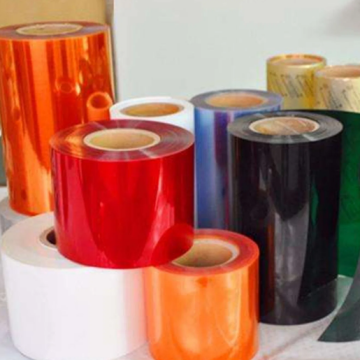 Upright Rigid Clear PVC Sheet for Industrial Thermoforming
 Color PVC Film for Inflatables - 2025 Factory Direct
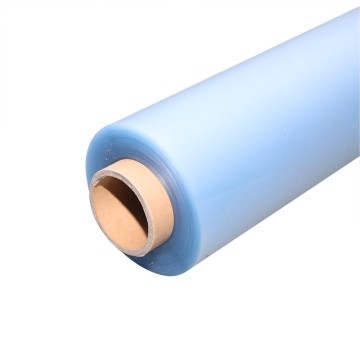 PVC Film Rolls for Medical Bags - Soft Translucent Grade
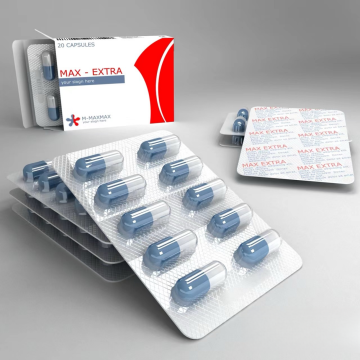 Custom Rigid PVC Pharmaceutical Blister Packaging Rolls
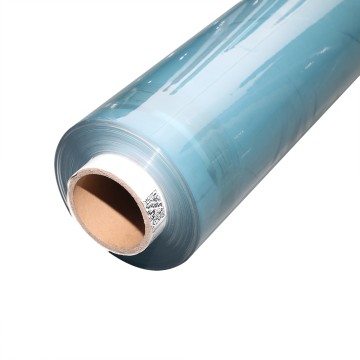 Super Transparent PVC Film Rolls - Best Value Suppliers
PVC Flexible Film Rolls - Transparent & Embossed Options
Quality Factory Direct PVC Soft Film Rolls & Embossed Films