You know, a floor can look absolutely perfect the day it's installed – but then life happens. Grit, chair legs, shoe soles, daily cleaning – it all takes a toll. That's where the Pvc Wear Layer comes in. It's like a clear, invisible shield sitting on top of the printed design, right? Its job is to resist abrasion and scuffing, so the pattern underneath stays looking fresh for way longer. And here's the thing – even tiny details can make a huge difference. Like, think about fine sand by the entryway. Under repeated footsteps, that sand acts like sandpaper, slowly wearing things down. So yeah, small stuff matters.
“Think of the wear layer as the floor’s first line of defense—not a magic shield that repels every mark,” says Alex Morgan, a flooring-materials specialist who clearly knows their stuff. Now, just to be upfront: this is an illustrative quote, not something pulled from a verified expert’s official statement. And the reason that distinction matters is that a wear layer’s performance isn’t all about thickness. Honestly, it’s a whole combo deal—the material blend, how the surface is finished, the quality of the installation, and how you treat it day-to-day all play a part in how the floor holds up in real life. At the end of the day, it’s about the whole package, not just one number on a spec sheet. /s
When you're trying to compare Pvc Wearlayer, it really pays to understand what you're looking at. Sure, a thicker layer might be better for high-traffic areas, but honestly, thickness alone doesn't tell the whole story. You've gotta dig a little deeper—ask about how it's meant to be used, how to care for it, and any performance specs they can share. And don't forget the room itself: a hallway that's constantly tracked with grit is a whole different ballgame compared to a guest bedroom that rarely sees anyone. Okay, one honest thing to keep in mind — even a really good surface can get scratched or start to look dull if you don't take care of it. Just something to remember, you know?
What Is a PVC Wear Layer?
A PVC wear layer is the clear protective surface placed above a flooring design layer. It helps shield the printed pattern from everyday scuffs, stains, and abrasion. Think of grit caught under a shoe near an entryway: repeated pressure can gradually dull an unprotected design. The wear layer takes much of that contact. It is not the same as the flooring’s backing or core, and it does not make the floor damage-proof.
In a Pvc Pvc Sheet flooring construction, the wear layer is usually described by its thickness, often in millimeters or mils. A thicker layer may offer greater resistance to surface wear, but thickness alone does not predict every result. Material quality, finish, installation, and cleaning habits also matter. Small details count.
For a practical comparison, check the stated wear-layer thickness and the product’s care guidance. A textured finish can change how dirt sits on the surface, while harsh scrubbing may leave visible marks. Even a durable layer can be scratched by sharp furniture feet or grit. That is worth remembering. Use floor protectors and remove loose debris regularly; these simple habits help preserve the visible surface over time.
Where Is the Wear Layer Located in Flooring?
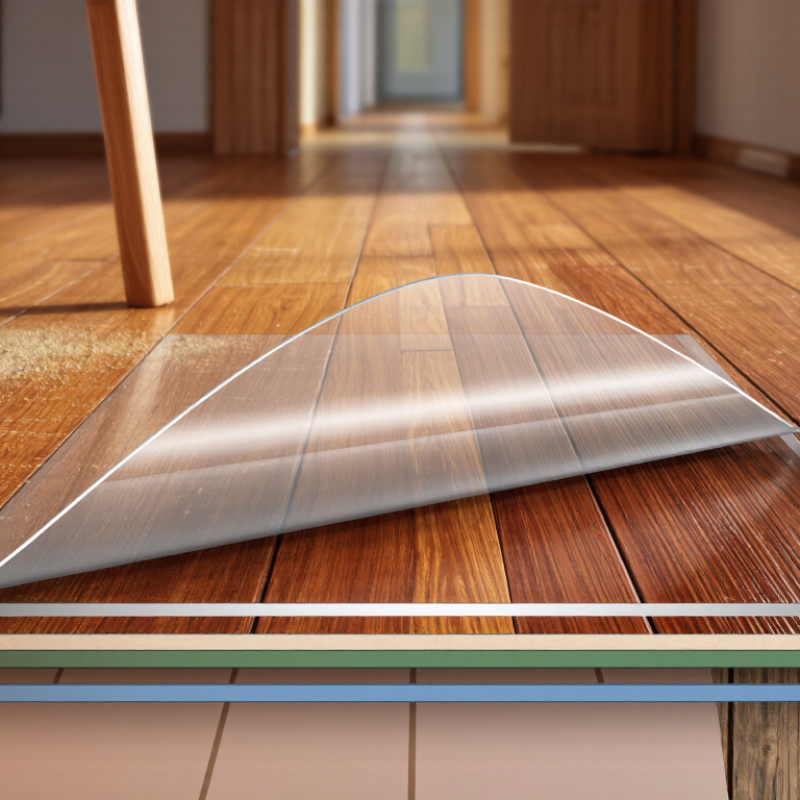
In most resilient PVC flooring, the wear layer sits at the very top, beneath any factory-applied finish. It is above the printed decorative film and the supporting core. Think of a plank’s cross-section: clear protective surface, wood-look image, then the denser body. EN ISO 10582 describes heterogeneous PVC floor coverings as layered products, helping explain why the wear layer is distinct from the visual layer. It is not the backing.
That position matters. Shoes, chair feet, grit, and dragged toys meet the surface first. ASTM F410 provides a test method for evaluating abrasion resistance in resilient flooring, though a laboratory result cannot promise a specific service life in every room. Check the product’s technical data sheet for wear-layer thickness, stated in millimeters, and compare products using the same test basis. Thickness is useful, but it is not the whole story. Finish quality and cleaning habits matter too.
A small caveat: buyers can mistake the printed pattern for the protective layer. They are separate. In Pvc To Pvc flooring comparisons, ask where the wear-layer measurement begins and ends; specifications can be easy to misread. A clear cross-section helps. So does checking whether the stated thickness refers to the wear layer alone, rather than the full plank.
How Does the Wear Layer Protect PVC Flooring?
A PVC floor’s wear layer is the transparent surface coating that takes the daily friction. Shoes, chair legs, dropped crumbs, and pet claws meet this layer before they reach the printed design. It helps resist scuffs, stains, and small scratches, keeping the pattern clearer for longer. It is protection, not armor. Sharp grit dragged across the floor can still leave marks.
Wear-layer thickness matters, but it does not tell the whole story. The coating’s composition, floor construction, installation, and cleaning habits also affect performance. A busy kitchen may need a more durable surface than a quiet guest room. Check the product’s stated wear-layer measurement and intended use, rather than judging by appearance alone. I’ve seen floors look sturdy and still show scratches when gritty dirt was left underfoot. That’s easy to overlook.
Tips: Use a soft broom or vacuum to remove grit, and place felt pads under movable furniture. Wipe spills promptly with a cleaner suitable for PVC flooring. Avoid abrasive pads; a tiny cleaning shortcut can leave a dull patch.
Why Is PVC Wear Layer Important for Flooring? — How Does the Wear Layer Protect PVC Flooring?
| Dimension | What It Means | How It Protects the Floor | Practical Guidance |
| Wear-layer position | A clear protective layer on the flooring surface, above the printed decorative design. | Helps shield the design and underlying layers from everyday contact and abrasion. | Check the product construction details; the wear layer is distinct from the total flooring thickness. |
| Abrasion resistance | Resistance to gradual surface wear from foot traffic, grit, and moving objects. | Slows the wearing of the printed pattern and helps the surface keep its appearance. | Use entry mats and remove grit regularly; these steps reduce abrasive wear. |
| Wear-layer thickness | Usually stated in millimeters (mm) or mils; 1 mil equals 0.001 inch. | A thicker layer generally provides more material to wear through, but thickness alone does not determine performance. | Compare thickness alongside test results, finish, construction, and the intended-use rating. Product categories and recommendations vary. |
| Stain and spill protection | The surface finish may help resist common household spills and make routine cleaning easier. | Provides a surface barrier, but it does not make every floor fully stain-proof or waterproof at seams and edges. | Wipe spills promptly and follow the flooring maker’s cleaning instructions. |
| Scratch and scuff resistance | The ability of the surface system to reduce visible marks from everyday use. | Helps limit surface damage from footwear, chair movement, and light contact. | Use suitable furniture glides and avoid dragging heavy objects across the floor. |
| Appearance over time | The wear layer helps preserve the look of the printed design during normal use. | By reducing direct wear on the print, it can help delay visible dulling or pattern loss. | Keep abrasive dirt off the floor and use only cleaners approved for the product. |
| Limits of protection | The wear layer protects the surface; it does not prevent every type of damage to the flooring system. | It cannot by itself prevent damage from sharp impacts, excessive heat, unsuitable chemicals, or problems with the subfloor or installation. | Consider the whole product specification, installation requirements, and care guidance when choosing flooring. |
Note: Wear-layer thickness ranges and performance claims are not directly interchangeable across products. Check the product’s technical data and relevant test information before comparing options.
Which Properties Determine Wear Layer Performance?
A PVC flooring wear layer is the clear surface that takes daily scuffs, grit, and shoe traffic. Its thickness matters, but it does not tell the whole story. A thicker layer may offer more material to wear through, yet its performance also depends on the PVC formulation and how evenly the layer is made. Small differences in production can affect how consistently the surface resists abrasion.
Surface treatments and texture matter, too. A protective coating can help reduce staining and make routine cleaning easier, while a deep texture may hold dirt in its grooves. Consider the room: rolling chair wheels, pet claws, and fine sand near an entryway create different kinds of wear. Look for stated wear-layer thickness and relevant abrasion or stain-test results, then compare products tested by the same method. Warranty terms can provide context, but they are not a substitute for test data. Thickness matters. Still, no specification predicts every home perfectly. I would check sample pieces under angled light and think about how the floor will actually be used.
How Can You Choose the Right Wear Layer for Your Space?
A PVC wear layer is the clear protective surface that takes scuffs, grit, and chair-leg friction. Choosing one by thickness alone can mislead: surface treatment, product construction, and maintenance all matter. ISO 10874:2020 classifies flooring by use, including residential classes 21–23 and commercial classes 31–34. Use those classes as a practical starting point, then match them to your room’s actual traffic.
For a quiet bedroom, a lighter-duty wear layer may be sufficient. A busy entryway, kitchen, or shared workspace needs stronger abrasion resistance. Compare product data sheets, including wear-layer thickness and test results. ASTM F410 provides a standard method for testing abrasion resistance of resilient floor coverings, but test results are not a direct promise of years in service. A Pvc Sheet can still wear faster where sand collects near the door or rolling chairs turn repeatedly. I’d also reconsider any choice based only on a “heavy-duty” label; the test details matter.
Tips: Ask for the technical data sheet and check its use class, wear-layer thickness, and abrasion test method. Put a mat at gritty entrances, use felt pads, and sweep regularly. Small habits help. Do not ignore the subfloor: uneven spots can make wear show sooner, even with a thicker layer.
Why Is PVC Wear Layer Important for Flooring?
How to choose: A thicker wear layer generally offers better protection against surface wear. As a general guide, 0.2–0.3 mm is commonly suited to lighter residential use, around 0.5 mm to busier homes or light commercial spaces, and around 0.7 mm to heavier-traffic areas. These are indicative ranges, not universal standards; overall durability also depends on the flooring construction, surface finish, installation, and maintenance.
How Soft Translucent PVC Film Supports Reliable Medical Urine Bag Manufacturing
Soft translucent PVC Film plays an important role in reliable medical urine bag manufacturing. Its flexibility allows the finished bag to bend and adapt during handling, while its translucency makes the fluid level easier to observe. Consistent film thickness and a smooth surface can also support dependable sealing and help create a clean, practical product. Manufacturers can select specifications suited to their production process and bag design, balancing softness, clarity, and durability.
Our high-quality PVC film is designed for printing and manufactured to meet a variety of specifications. As a trusted supplier and factory based in China, we prioritize material safety with a low-toxicity formula containing minimal levels of lead and cadmium. The film’s print-friendly surface can accommodate clear product information and handling details, while its adaptable properties support efficient converting into medical urine bags. We offer a reliable, eco-conscious material option for manufacturers seeking consistent quality and practical performance in their production.
Conclusion
A Pvc Wearlayer is the transparent protective surface applied to the top of many PVC flooring products. Positioned above the printed design layer, it helps shield the floor from everyday friction, scuffs, stains, and surface wear while preserving its appearance. Its performance depends not only on thickness but also on the material’s quality, construction, and resistance to abrasion and household spills.
A thicker wear layer generally offers greater protection for busy areas, but thickness alone does not determine how long flooring will last. The right choice depends on the room’s traffic, expected use, and maintenance needs. A lightly used bedroom may need less protection than an entryway or commercial space. By considering these factors alongside wear-layer properties, you can select flooring that balances durability, appearance, and practical requirements.