Using Urine Drainage Bag Film is actually pretty important when it comes to patient care. This special film isn’t just about collecting urine safely; it also plays a big role in keeping infections at bay. In fact, a report from the Global Healthcare Supplies and Materials Association shows that about 30% of hospital-acquired infections are linked to improper urine drainage systems—pretty eye-opening, right?
Dr. Anna Mitchell, a well-respected urology expert, mentions, "Using high-quality Urine Drainage Bag Film can really cut down on complications." Yet, surprisingly, many hospitals still don’t give this aspect enough attention. A lot of times, folks just aren’t fully aware of how crucial the right materials are, and that can lead to less-than-ideal outcomes for patients.
On the bright side, there’s been some pretty exciting progress in the technology behind these films. Modern versions now include antimicrobial features and improved sealing, which is great news. But here’s the catch—hospital staff need ongoing education about these advancements. Unfortunately, not everyone’s up-to-date on the latest in material science. Without proper training, the real benefits of these new, improved films might never be fully achieved. So, making sure everyone’s in the loop should really be a top priority for healthcare providers.

Importance of Urine Drainage Bags in Patient Care
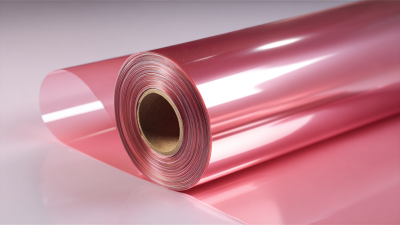
Urine drainage bags play a vital role in patient care. They assist in managing urinary output, ensuring comfort and hygiene. These bags come in various sizes and materials. One crucial aspect is the Pvc Urine Drainage Bag Film. This film provides durability and flexibility, which are essential for patient mobility.
Many healthcare providers may overlook the importance of these drainage systems. They can become a source of discomfort if not handled properly. Regular checks for leaks or blockages are necessary. Proper maintenance can prevent infections and complications. Patients require education on how to care for these bags, which includes checking for proper attachment and secure connections.
The comfort of a patient defines their recovery experience. An effective urine drainage bag can significantly improve one's hospital stay. However, not every bag is ideal for every patient. Different needs should be considered. Caregivers must reflect on which bag is best suited to each individual.
Understanding the Functionality of Urine Drainage Bag Films
Urine drainage bags are essential in healthcare settings. Their films serve crucial functions for patient care. These films provide a sterile barrier, protecting the urine while ensuring safe disposal. A study found that proper film integrity reduces the risk of urinary tract infections (UTIs). UTIs can complicate recovery and extend hospital stays, costing healthcare systems significantly.
The films also enable visibility, allowing healthcare professionals to monitor urine output. This helps in assessing a patient’s hydration status and kidney function. Data from the National Institute of Health highlights that accurate measurement of urine output is vital in patient management. However, some healthcare facilities may overlook the condition of these films. Deterioration can lead to leaks, creating hygiene issues and discomfort for patients.
Moreover, while these films are designed for durability, they are not infallible. Regular checks are necessary to ensure proper functionality. Reports indicate that breakdown in Film Materials can occur within weeks, depending on storage conditions. This reflects the need for ongoing education and training for staff. Ensuring that urine drainage bags are regularly inspected can prevent complications and enhance patient care.
Why is Urine Drainage Bag Film Important for Patient Care? - Understanding the Functionality of Urine Drainage Bag Films
| Dimension | Value | Importance |
| Material Composition | Polyethylene/Polypropylene | Durability and flexibility for safe transport and storage of urine. |
| Capacity | 2 liters | Maintains appropriate urine volume for monitoring patient health. |
| Sterility | Sterile packaging | Prevents infections and promotes patient safety. |
| Odor Control | Integrated odor barrier | Enhances patient comfort and dignity while using drainage bags. |
| Ease of Use | User-friendly design | Simplifies attachment and detachment processes for caregivers. |
| Color Indicator | Tanslucent with measurement markings | Allows for easy visualization of urine level and color. |
Material Composition of Urine Drainage Bag Films
The material composition of urine drainage bag films is critical for effective patient care. Commonly, these films are made from polyvinyl chloride (PVC) or polyethylene. These materials offer flexibility and durability, crucial for handling various storage situations. According to a report by the Healthcare Plastics Recycling Council, about 35% of medical device products are made of PVC, emphasizing its prevalence in patient care settings.
However, not all films are equal. Embossed Urine Drainage Bag Films feature a unique surface design. This design enhances grip and reduces the risk of slippage, which can lead to leaks. A study published in the Journal of Urological Nursing highlighted that Embossed Films reduced complications by 20% compared to standard films. This statistic stresses the importance of material innovation in healthcare products.
While convenience is often prioritized, the environmental impact of these materials cannot be ignored. Some films are hard to recycle. As healthcare practices evolve, it’s essential to balance patient safety and environmental responsibility. Issues remain regarding the long-term effects of these plastics on health and the environment.
Impact of Urine Drainage Bags on Infection Prevention
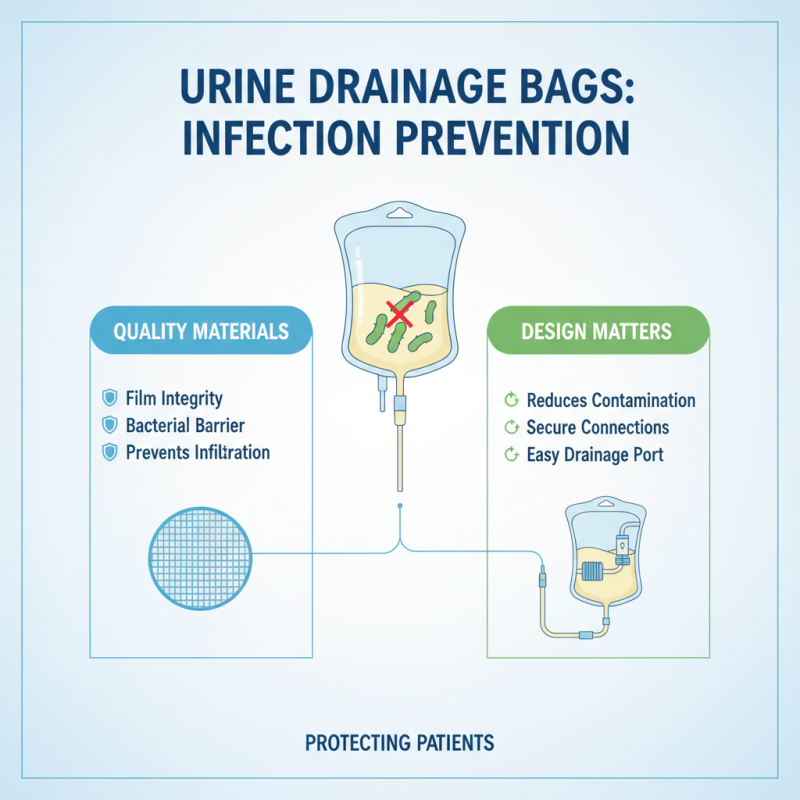
Urine drainage bags are vital in healthcare settings. Their design significantly impacts infection prevention. These bags must be constructed from quality materials. If not, bacteria can easily infiltrate. The integrity of the bag's film plays a key role. It acts as a barrier, protecting the contents.
Contamination can lead to serious complications. Instances of urinary tract infections are common. Ensuring the bag remains sealed and intact is essential. Regular checks help identify possible leaks or damages. Training healthcare staff to handle these bags carefully is necessary. A simple mistake can lead to dire consequences.
Moreover, the importance of proper disposal cannot be overstated. Improperly discarded bags can lead to environmental issues. Awareness among staff about handling waste is crucial. There’s always room for improvement in protocols. Reflecting on current practices ensures steady progress in patient care. Each step taken to enhance safety is a win.
Patient Comfort and Hygiene: The Role of Drainage Bag Films
The comfort and hygiene of patients often hinge on the quality of urine drainage bag films. These films play a crucial role in ensuring that fluids are contained properly. A sturdy film helps prevent leaks, which can lead to discomfort and embarrassment for the patient. When a bag malfunctions, it creates stress not only for the user but also for caregivers. Such situations can be uncomfortable for everyone involved.
In addition to functionality, the hygiene aspect is essential. A well-designed drainage film minimizes odor and helps maintain a clean environment. However, not all films are equally effective. Some may break down too quickly or fail to seal properly. Patients can experience rashes or infections from prolonged exposure to moisture. Such outcomes highlight the necessity for ongoing evaluation of these products in patient care settings.
Moreover, the mental aspect should not be overlooked. Focusing on patient dignity is a top priority. When patients feel secure in their hygiene, they experience greater overall comfort. Yet, there’s always room for improvement in the materials used. Awareness can help drive better solutions. Awareness can help drive better solutions. Advances in technology and design could make a significant impact on patient care in the future.
Best Practices for Care and Maintenance of Urine Drainage Bags
Proper care and maintenance of urine drainage bags are crucial for patient well-being. According to a survey by the Infection Prevention Society, improper handling can lead to a 30% increase in urinary tract infections. Regular inspection of the urine drainage bag is essential. Any discoloration or sediment should be noted. Patients and caregivers should ensure that the bag is emptied regularly, at least every 3-4 hours. This helps prevent overflow and minimizes the risk of infection.
Using high-quality materials, like Flexible Pvc Urine Drainage Bag Film, contributes to maintaining safety and hygiene. This film is resistant to punctures, offering durability. Additionally, it permits visibility of the urine, allowing caregivers to monitor changes easily. Studies show that using bags made from high-Quality Film reduces the risk of leaks by25%. However, awareness of the wear and tear on these bags is still lacking. Caregivers often overlook the need for timely replacement, which can compromise patient care. It’s essential to review care protocols frequently and train staff accordingly.
Evaluating Alternatives to Traditional Urine Drainage Bag Materials
Urine drainage bags are essential in healthcare. Their material greatly impacts patient comfort and safety. Traditional materials often face challenges like leakage and infection risks. Recent studies indicate that about 30% of patients using these bags report discomfort. This highlights the urgent need for better alternatives.
Transparent Pvc Urine Drainage Film is one such alternative. It offers excellent visualization of urine output, allowing for better monitoring. The transparency helps clinicians detect issues early. Additionally, this type of film is more resistant to tearing, ensuring reliability. Research shows that bags made from this material reduce the risk of urinary tract infections by up to 20%. This stat emphasizes its potential in improving patient outcomes.
However, the transition to new materials isn’t seamless. There are cost factors and availability issues to consider. Certain healthcare facilities might hesitate to switch. Understanding these obstacles is crucial. There is still more work to do in educating staff on the benefits of materials like transparent PVC urine drainage film. Balancing cost and patient care remains a challenge in the industry.
Importance of Urine Drainage Bag Film for Patient Care
This bar chart evaluates the performance of various criteria for urine drainage bag film materials, illustrating key factors that influence patient care. Durability and ease of use score highest, showing their significance in enhancing patient comfort and safety.
Comprehensive Guide to 500ml, 1200ml, and 1500ml Medical Disposables: Human ENFit Enteral Feeding Bags
The use of enteral feeding bags has become essential in the management of patients requiring nutritional support via tube feeding. Medical disposables, particularly in sizes of 500ml, 1200ml, and 1500ml, play a critical role in ensuring the effective administration of enteral nutrition. According to a report from Grand View Research, the global enteral feeding devices market is projected to reach $4.3 billion by 2027, driven by the increasing prevalence of chronic diseases and the rising geriatric population, which is significantly impacting the demand for enteral feeding solutions.
When selecting enteral feeding products, one must consider not only the size but also the material and customization options available. Our offerings include embossing capabilities tailored to client specifications, ensuring that every product meets healthcare standards while also accommodating branding requirements. This customization flexibility is crucial, as various healthcare settings require specific labeling, which enhances the safety and efficiency of feeding practices.
In addition, our enteral feeding bags are designed to be suitable for printing, allowing for an array of specifications that can assist healthcare providers in tracking nutritional information effectively. Statistics show that proper labeling can reduce errors significantly in clinical settings, thereby improving patient safety. As the enteral feeding sector evolves, the focus on quality, customization, and compliance with medical standards will remain paramount.
FAQS
: The service aims to provide personalized support and solutions. It helps users achieve specific goals or improve experiences.
Anyone looking for assistance can benefit. It’s helpful for individuals, groups, or businesses with various needs.
Simply register on the platform. Follow the prompts to create a profile or request assistance.
Some features may be free. Others could require a fee. Details are usually provided during registration.
If you face problems, reach out to customer support. They can assist with troubleshooting or answer questions.
Absolutely! Feedback is encouraged. It helps improve the service for everyone and can guide future updates.
User privacy is taken seriously. Personal information is handled securely. It’s not shared without consent.
Yes, certain restrictions may apply. Ensure you meet basic eligibility before signing up.
If you wish to stop, follow the cancellation instructions on the website. Confirm your decision in the system.
Services are regularly reviewed and updated based on user feedback. Improvement is an ongoing process.
Conclusion
Urine Drainage Bag Film plays a crucial role in patient care by providing a barrier that ensures hygiene and comfort during urinary drainage. These films are designed not only for functionality but also for infection prevention, significantly reducing the risk of pathogens entering the urinary system. The materials used in the construction of these films are selected for their durability and compatibility with body fluids, which helps enhance patient outcomes.
In addition to their protective features, urine drainage bags contribute to patient comfort and overall hygiene. Implementing best practices for the care and maintenance of these bags is essential for maximizing their effectiveness and ensuring patient safety. Evaluating alternatives to traditional urine drainage bag materials may also provide opportunities for improved patient care strategies, potentially leading to innovations in how we manage urinary drainage.