So, choosing the best PVC Film manufacturers in China? It takes a lot more than just comparing catalog prices. If you're a global buyer, you'll want to look at formulation control, production experience, testing discipline, and how reliable the communication is. Sure, a factory might show you shiny rolls and send a quote fast. But the real questions usually show up later.
Will the film keep a stable thickness across a 1.2-meter roll? Can the surface handle scratches during shipping? Does the supplier actually give you consistent data for gloss, haze, tensile strength, and elongation? These things matter for printing, lamination, packaging, and how the final product looks. PVC Film can look great under showroom lights and then cause trouble during slitting or high-speed converting.
Professor Ramani Narayan, a polymer and sustainability expert, has pointed out, "Material performance must be judged across its full life cycle." That's a pretty useful idea for international sourcing. Buyers should look into raw-material systems, plasticizer choices, production records, and quality-control procedures. Also ask for recent batch reports, sample rolls, and clear technical data sheets.
Not every manufacturer deserves the same level of trust. Some suppliers lean heavily on trading companies. Others run modern calendaring lines, closed-loop inspection systems, and export teams that know international documentation. The difference can show up in little things—winding tension, edge trimming, carton protection, and how quickly they respond after a complaint.
This guide looks at leading ChinesE Pvc Film manufacturers using practical buyer criteria. It covers product range, manufacturing capability, customization, certification support, export experience, and after-sales reliability. Is it perfect? No. Factory conditions can change, and published claims still need checking. Smart buyers should test samples independently before placing large orders.
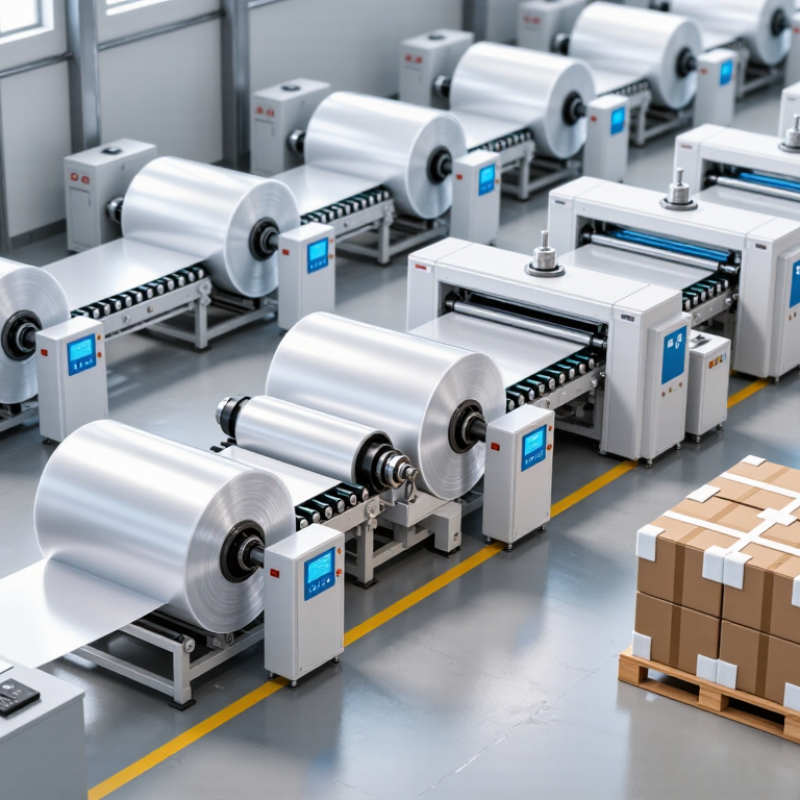
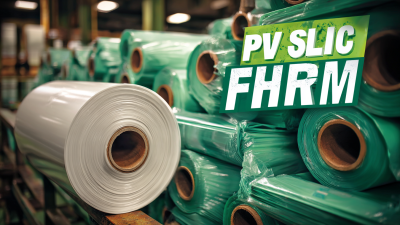
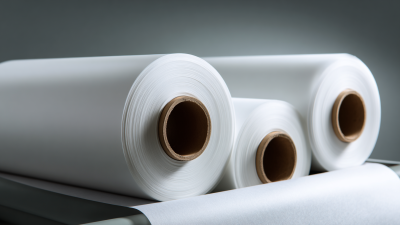
PVC filmis a Flexible Plastic sheet made mainly from polyvinyl chloride resin. Manufacturers add plasticizers, stabilizers, pigments, and processing aids for specific performance. The finished film may be clear, colored, matte, glossy, soft, or rigid. APvc Film Roll can support packaging, labels, furniture surfaces, construction protection, and industrial lamination. Its application determines thickness, width, tensile strength, surface finish, and chemical resistance. Appearance alone is not enough.
China has become a major PVC film manufacturing hub because its supply chain is unusually complete. Resin producers, additive suppliers, film processors, printers, laminators, and packaging companies often operate within connected industrial regions. This shortens material transport and supports flexible production. Large ports also make international shipping more practical. Experienced buyers commonly inspect extrusion lines, thickness gauges, winding equipment, and storage conditions. They should request test data for thickness tolerance, tensile strength, elongation, and surface adhesion.
Quality is not automatically consistent. Two rolls from one factory may perform differently if batching or temperature control changes. A polished showroom can hide weak process records. That deserves attention. Buyers can compare samples, certificates, batch records, and packaging details before placing larger orders. Communication also matters, especially when discussing core size, roll length, printing limits, and moisture protection. Even capable factories may need clearer instructions than expected.
China’s PVC film industry serves packaging, construction, furniture, and industrial manufacturing worldwide. Buyers should compare film structure, thickness, surface finish, and processing stability before choosing a supplier. A low price can hide uneven gauges or weak roll consistency.
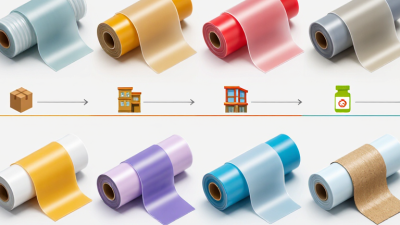
Calendered PVC film is dense and durable. It suits flooring layers, wall coverings, banners, and furniture decoration. Cast PVC film offers better flexibility and conformability. It is often used for labels, vehicle graphics, and shaped surfaces.
Rigid or semi-rigid Pvc Film Sheet supports blister packaging, document covers, and protective panels. Transparent grades need strong clarity and controlled haze.
Different applications require different formulations. A packaging film may need sealing performance and print adhesion. A construction film may need weather resistance and dimensional stability. Laminated films can combine color, texture, and protection. Embossed surfaces add a tactile woodgrain or leather effect. Small details matter.
During supplier evaluations, request technical data, sample rolls, and batch records. Test thickness across the roll, not only at the edge. Check odor, color variation, tensile strength, and aging behavior. Printing trials can reveal problems that laboratory sheets miss. Some specifications look impressive on paper. They may still fail during high-speed production. Buyers should also review quality controls, export experience, and communication discipline before placing large orders.
Evaluating PVC film manufacturers in China starts with the factory, not the quotation. Ask for production photos, equipment details, and a recent quality report. A reliable supplier should explain resin selection, plasticizer control, thickness tolerance, and surface treatment in clear terms. Vague answers deserve caution.
Request samples from different production batches. Check thickness with a micrometer, then inspect gloss, color consistency, flexibility, and odor. For Lamination Pvc Film, test bonding strength after heat, pressure, and storage. Record the temperature and processing speed. Small differences can affect the final panel or printed surface.
Factory audits reveal practical details. Look at clean storage areas, sealed packaging, calibrated instruments, and traceable batch labels. Confirm testing for tensile strength, elongation, shrinkage, and aging when your application requires it. Export experience also matters, especially for moisture protection and documentation. My own evaluation would not rely on one perfect sample. A sample can hide process variation. Ask how rejected rolls are handled and whether corrective actions are documented. The cheapest offer is not always economical. A supplier that communicates quickly but misses technical details may create expensive delays later. Check lead times with a small trial order before making larger commitments.
A practical, brand-neutral evaluation framework for comparing PVC film suppliers
| Evaluation Dimension | Relevant PVC Film Types | Practical Benchmark or Requirement | How Global Buyers Should Verify | Suggested Weight | Assessment |
|---|---|---|---|---|---|
| Product Specification Control | Flexible, semi-rigid and rigid PVC film | Documented control of thickness, width, color, surface finish and roll length; tolerance should be agreed in the purchase specification. | Compare the technical data sheet, approved sample and pre-shipment inspection report. | 15% | Critical |
| Thickness and Dimensional Stability | Packaging, printing, stationery, medical and industrial films | Stable thickness across the roll and limited shrinkage or curling after processing; the exact tolerance depends on end use and thickness. | Request thickness mapping, shrinkage test results and samples from the beginning, middle and end of a production roll. | 12% | Critical |
| Mechanical Performance | Flexible, transparent, laminated and protective films | Tensile strength, elongation, tear resistance and puncture resistance must match the application rather than a universal value. | Use an agreed test method and compare laboratory results with an independently tested production sample. | 12% | Critical |
| Optical Quality | Transparent, clear, printed and decorative films | Consistent clarity, haze, gloss, color and surface appearance; allowable defects should be defined before mass production. | Review a defect reference sheet, approved color standard and inspection records under controlled lighting. | 10% | High |
| Processing Compatibility | Printing, laminating, thermoforming, welding and die-cutting films | The film should run consistently on the buyer's equipment and be compatible with specified inks, adhesives, sealers or forming conditions. | Conduct a production trial using the buyer's actual process settings and record yield, bonding and surface-treatment results. | 12% | Critical |
| Raw Material and Additive Transparency | All PVC film categories | Clear declaration of PVC resin, plasticizer system, stabilizers, pigments, fillers and recycled content where applicable. | Request a material declaration, safety data sheet and restricted-substance test report for the intended market. | 10% | Critical |
| Compliance Documentation | Packaging, consumer, medical and export-oriented applications | Documentation should match the destination market, product use and customer requirements; a certificate alone does not prove product conformity. | Verify certificates, test scope, validity, issuing laboratory and product identity against the supplied film. | 12% | Critical |
| Quality Management System | All PVC film categories | A documented incoming-material, in-process and final-inspection system with traceable batch records and corrective-action procedures. | Conduct a remote or on-site audit and review calibration records, nonconformance reports and control plans. | 10% | High |
| Production Capacity and Lead Time | Standard and customized roll goods | Capacity should be evaluated against the buyer's monthly demand, peak-season needs, minimum order quantity and agreed delivery window. | Request a capacity statement, production schedule, historical on-time delivery data and a written lead-time commitment. | 8% | High |
| Customization Capability | Colored, embossed, printed, adhesive-coated and laminated films | Ability to control color matching, embossing pattern, surface treatment, core size, roll length and packaging configuration. | Evaluate pilot samples, tooling ownership, change-control procedures and approval requirements before production. | 6% | High |
| Packaging and Export Readiness | Containerized roll shipments and international orders | Moisture-resistant and damage-resistant packaging, correct labeling, suitable palletization and documentation for the selected Incoterm. | Review packaging specifications, loading photographs, shipping marks and previous export documentation. | 5% | High |
| Total Cost of Ownership | All PVC film categories | Compare material price together with yield, defect rate, freight, duties, testing, tooling, payment terms and potential claim costs. | Use a landed-cost model based on the same specification, order quantity, delivery term and quality requirements. | 8% | High |
China’s PVC film industry is concentrated in several manufacturing regions. Zhejiang and Jiangsu host many mature extrusion and calendaring factories. Their plants often support clear, colored, embossed, and printed film production. Guangdong offers strong access to export ports and packaging supply chains. Fujian also has capable converters serving footwear, furniture, and decorative applications.
Factory capability varies widely. A serious supplier should explain resin selection, plasticizer control, thickness tolerance, and surface treatment. For Pvc Super Clear Film, buyers should request haze, gloss, tensile strength, and aging data. Production lines may include automatic feeding, multi-roll calendaring, online thickness gauges, and dust-control systems. Some factories can add lamination, coating, embossing, or custom printing without outsourcing.
During a factory visit, check batch records and sample consistency. Ask to compare the first roll with the final roll. Small differences can affect sealing, forming, or visual clarity. Regional advantages do not guarantee reliable performance. No factory is perfect. Some suppliers present excellent samples but lack stable capacity during peak seasons. Independent testing and a pilot order remain sensible, especially for demanding global applications. Availability of skilled technicians, preventive maintenance, and wastewater management also deserves attention. These details often reveal more than polished sales presentations.
Global buyers should judge PVC film manufacturers by evidence, not polished samples. A smooth roll can hide uneven thickness or unstable plasticizer content. Ask for a written specification before requesting quotations. It should state thickness tolerance, width, color, surface finish, and intended use. For industrial film, tensile strength, elongation, haze, gloss, and shrinkage need clear test methods. Different laboratories can produce different results. That detail matters.
Reliable manufacturers normally operate documented quality systems, often aligned with ISO 9001. However, an ISO certificate does not automatically prove product compliance. Check the certificate scope, issuing body, validity date, and covered factory address. Request batch-level certificates of analysis, production records, and retained samples. For regulated applications, ask whether testing covers migration, restricted substances, heavy metals, or flame performance. Requirements vary by destination and end use. A supplier may claim REACH or RoHS compliance, but the declaration should identify materials and test basis.
Before signing a large order, test several rolls from separate batches. Measure thickness at the edges and center. Store samples under normal warehouse conditions, then repeat adhesion and appearance checks. Small pilot orders often reveal winding, blocking, odor, or printing problems. That feedback is evidence. One practical weakness remains: paperwork can look stronger than factory control. An on-site audit, video inspection, or independent laboratory review can expose gaps. Keep agreed tolerances inside the purchase contract, not only in email.
China remains a major sourcing base for PVC film, but low quotations require careful interpretation. Grand View Research valued the global PVC market at about USD 45.83 billion in 2023, with continued growth expected through 2030. Demand is broad. Packaging, construction, and industrial laminating applications use different film specifications.
A reliable price comparison should separate resin, additives, printing, slitting, packing, and freight. Argus and ICIS PVC assessments show how feedstock movements can influence regional pricing. However, a supplier’s film price may not follow resin prices immediately. Ask for a dated quotation, thickness tolerance, roll length, core size, and Incoterm. A 500-micron sample can expose blocking, uneven winding, odor, or weak heat resistance.
Export records also need context. The WTO reported a 1.2% decline in global merchandise trade volume during 2023. Freight conditions can therefore change landed costs quickly. Verify the exporter through registration records, customs history, factory video calls, and an independent inspection. Request recent batch COAs, SDS documents, migration data, and test results from accredited laboratories. Certificates alone are not proof. I would also compare two production batches, not one attractive sample. That step costs time, yet it often reveals inconsistent plasticizer levels or unstable color. HS classifications for PVC film can vary by composition, so confirm the code with a customs professional before shipment.
PVC film is a flexible plastic sheet made from polyvinyl chloride resin. It can support packaging, labels, furniture surfaces, construction protection, and industrial lamination. Its surface may be clear, colored, matte, glossy, soft, or rigid. Appearance alone is not enough.
China has a connected supply chain for resin, additives, processing, printing, and lamination. Many suppliers operate near transport networks and large ports. This can reduce material movement and support flexible production. Capacity still varies.
Start with the factory, not the quotation. Request equipment details, production photos, and recent quality reports. Ask about resin selection, plasticizer control, thickness tolerance, and surface treatment. Vague answers deserve caution.
Measure thickness with a micrometer. Inspect gloss, color consistency, flexibility, odor, and surface defects. Compare samples from different production batches. One perfect sample proves very little.
Request thickness tolerance, tensile strength, elongation, shrinkage, and aging results. For clear film, ask for haze and gloss measurements. For laminated film, test bonding after heat, pressure, and storage. Record processing temperature and speed.
Check clean storage areas, sealed packaging, calibrated instruments, and traceable batch labels. Compare the first roll with the final roll. Ask how rejected rolls are handled. Corrective records matter.
Zhejiang and Jiangsu have many extrusion and calendaring factories. Guangdong offers strong export access and packaging connections. Fujian serves decorative, furniture, and footwear applications. Regional strength does not guarantee stable quality.
Begin with a small pilot order. Check lead time, moisture protection, core size, roll length, and packaging details. Review batch records and independent test results when possible. I would not rely on price alone.
Useful equipment includes automatic feeding systems, multi-roll calendars, and online thickness gauges. Dust-control systems can support cleaner surfaces. Some factories also provide coating, embossing, lamination, or printing. Equipment does not replace process discipline.
China has become a major manufacturing hub for PVC Film because of its extensive production capacity, integrated supply chains, competitive costs, and growing technical expertise. PVC Film is available in various forms, including clear, colored, printed, rigid, flexible, adhesive, and decorative grades, serving industries such as packaging, construction, furniture, electrical products, medical supplies, and industrial protection. Understanding the intended application is essential when selecting the right thickness, surface finish, flexibility, durability, and environmental performance.
For global buyers, evaluating manufacturers requires more than comparing prices. Important factors include raw material consistency, production equipment, quality control systems, testing procedures, and the ability to meet required standards and certifications. Major manufacturing regions may offer different strengths, from high-volume production to specialized processing and customized solutions. Buyers should also review export experience, packaging methods, lead times, payment terms, and supplier verification documents. Requesting samples, factory information, inspection reports, and clear quotations can help reduce purchasing risks and support a reliable, long-term supply relationship.