As we gear up for the 2026 Canton Fair, everyone’s talking about the latest innovations in Pe Film Material. Honestly, this stuff has really become a staple across so many industries—everything from packaging to construction. I recently came across a report by Smithers Pira, and it predicts that global demand for polyethylene films will hit around 26 million tons by 2026. That just goes to show how much companies are leaning on Pe Film Material because of its versatility and toughness.
This year's fair is shaping up to be exciting, with a big focus on the latest tech and eco-friendly solutions. Major players like DuPont and BASF are pushing the boundaries by improving the properties of Pe Film, trying to make it both more functional and more environmentally friendly. But, of course, there are still hurdles to jump. Many manufacturers find it tricky to strike the right balance between top performance and sustainability—something that’s bound to come up during the discussions at the event.
Plus, with AI tools now helping buyers search and navigate the fair—like what we’ve started seeing at recent shows—people’s expectations are pretty high. Buyers will need to figure out how relevant these new trends in Pe Film really are to their needs. There’s a ton of opportunity to discover new applications and connect with innovative suppliers, but staying critical about quality and standards remains key. All in all, we expect the fair not just to showcase all the new tech but also to spark some meaningful conversations about sustainable practices in the Pe Film industry. It’s an exciting time, and I think this event will really push things forward!
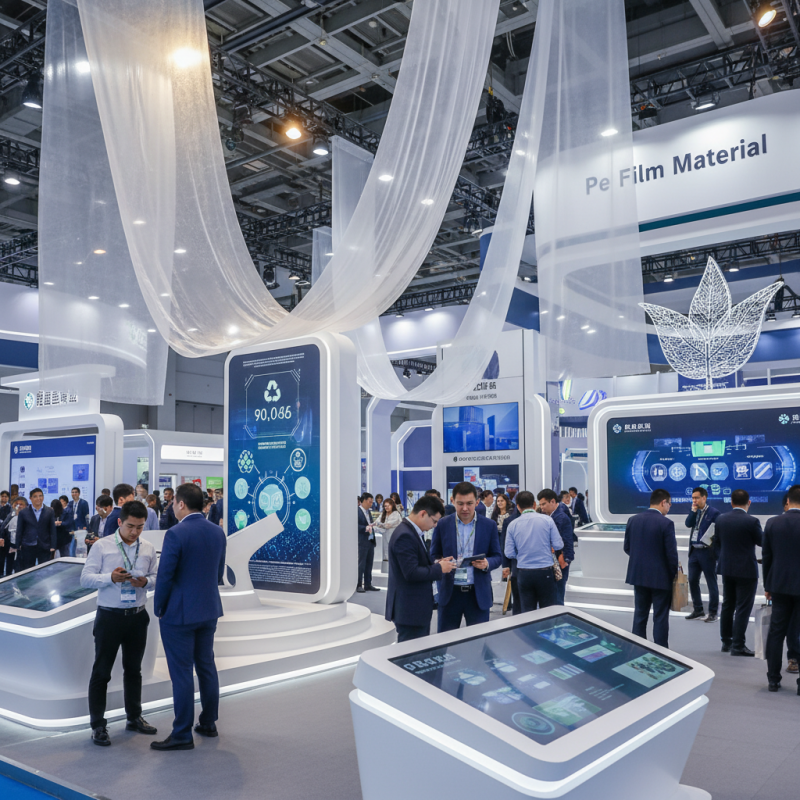
The upcoming 2026 Canton Fair is poised to showcase significant advancements in PE Film Materials. Emerging innovations are focusing on sustainability and improved performance. Biodegradable options are gaining traction, aiming to reduce plastic waste. These films break down more rapidly in natural environments, promoting eco-friendliness.
Another key trend is the enhancement of barrier properties. New formulations are being developed to offer better resistance to moisture and gases. These improvements can prolong the freshness of packaged goods. Additionally, lightweight materials are becoming more prevalent, which could lower transportation costs.
Manufacturers are also experimenting with multifunctional films. These films combine properties like UV resistance and anti-static features. While these advancements are promising, challenges remain in scaling production and maintaining quality. Balancing cost and innovation is crucial for widespread adoption. Keeping an eye on market demands is vital for success in this evolving landscape.
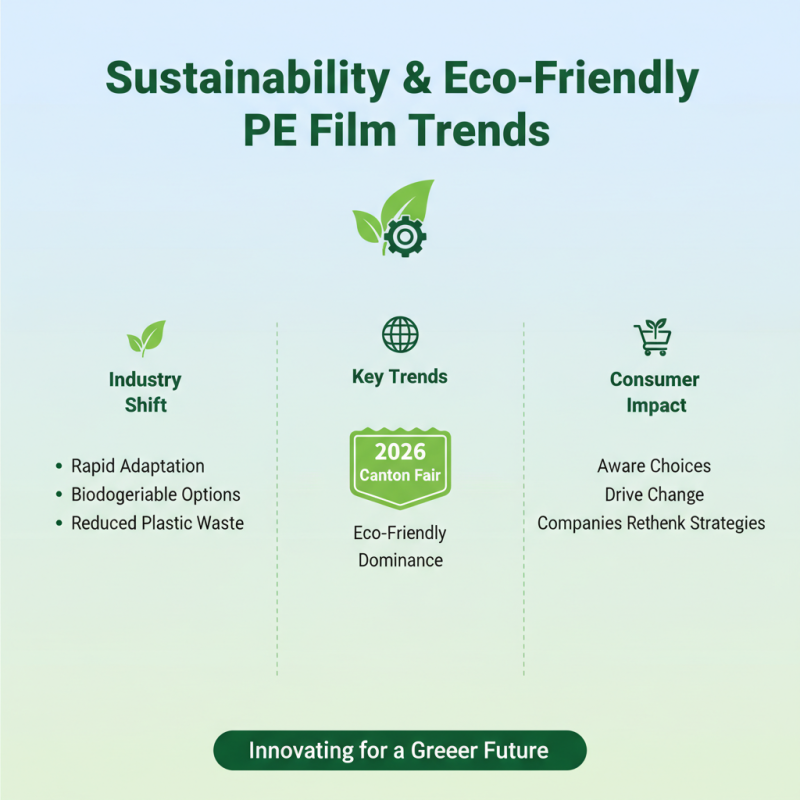
As sustainability becomes essential, the PE film industry is adapting rapidly. At the 2026 Canton Fair, eco-friendly trends dominate discussions. Many manufacturers are exploring biodegradable options. These innovations promise to reduce plastic waste significantly. Consumers are more aware than ever of their choices. This shift pushes companies to rethink their strategies.
Tips: Consider using recycled materials in your production. Every small change counts towards sustainability. Look for sources that prioritize eco-friendly practices.
Another emerging trend is the use of water-based adhesives. These minimize harmful emissions, making PE films safer for the environment. Some still struggle with balancing performance and eco-friendliness. Finding alternatives that meet both criteria can be challenging. The industry must address these imperfections.
Tips: Regularly test new materials. Stay open to collaboration. Engaging with experts can inspire fresh ideas in Plastic Film Material innovations. Staying adaptable is crucial.
At the 2026 Canton Fair, advancements in PE film production technologies take center stage. New techniques are emerging, improving film strength and durability. Enhanced formulations allow for thinner films without sacrificing quality. This innovation reduces material waste and enhances environmental sustainability. It is a step forward but raises questions about long-term impacts.
Automation is another trend highlighted at the fair. Advanced machinery streamlines production processes. These machines increase efficiency but require skilled workers for maintenance. It prompts a need for training programs. Balancing technology with human expertise can be challenging and requires thoughtful planning.
Recycling capabilities are gaining traction in PE film production. Utilizing post-consumer recycled materials in film creation is becoming more common. This approach supports circular economy principles. However, sourcing and processing recycled content can be complex. This complexity could hinder widespread adoption. The industry must address these challenges to reap the full benefits of recycling innovations.
As the 2026 Canton Fair approaches, shifts in market demand are reshaping PE film variants. Data from industry reports indicate that the global polyethylene film market is projected to reach $50 billion by 2027. Such growth drives innovation. Manufacturers now prioritize sustainability and functionality in their products.
The rise of eco-friendly packaging is notable. Consumers increasingly demand materials that reduce environmental impact. Reports show that 60% of buyers prefer biodegradable options. Among these, Eva Film Material stands out due to its versatility and lower carbon footprint. It's crucial for companies to adapt. However, not every business has made this transition effectively. Some still rely on traditional materials that don't align with new consumer values.
Additionally, advancements in technology are creating diverse PE film applications. For instance, the food industry is exploring better barrier materials to enhance shelf life. While progress is evident, inconsistencies in quality remain a challenge. Manufacturers must reflect on their processes to ensure product reliability. The competition is intense, and only the adaptable will thrive in these evolving markets.
| Trend | Description | Market Demand | Growth Rate (%) |
|---|---|---|---|
| Biodegradable PE Films | Films created from renewable resources that decompose naturally. | High demand in packaging and agricultural sectors. | 25% |
| Recyclable PE Films | PE films designed to be recycled at the end of their lifecycle. | Increasing consumer preference for sustainable packaging. | 30% |
| Multilayer PE Films | Films that combine different layers for enhanced performance. | Demand in food and beverage packaging for barrier properties. | 20% |
| Smart PE Films | Films with integrated sensors for monitoring conditions. | Growing interest in IoT and smart packaging solutions. | 15% |
| Stretchable PE Films | Films designed for improved durability and flexibility. | Needs in various packaging applications for enhanced reliability. | 18% |
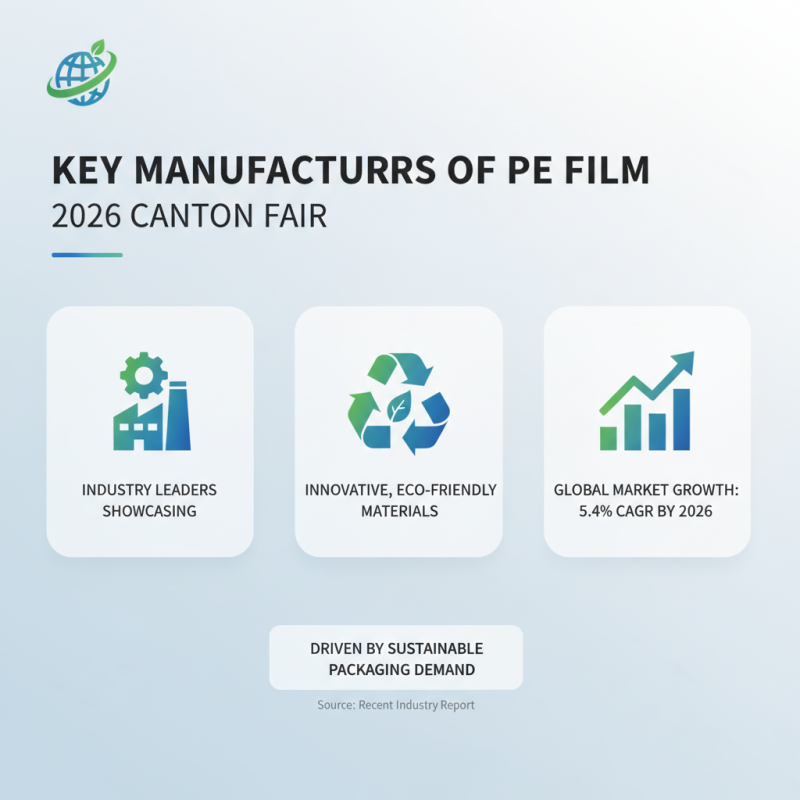
The 2026 Canton Fair is a significant event for manufacturers and traders in the PE film market. Major players in the industry are showcasing innovative film materials that respond to eco-friendly demands. According to a recent report, the global PE film market is expected to grow at a CAGR of 5.4% through 2026. This growth is driven by the rising demand for sustainable packaging solutions.
Several key manufacturers at the Fair are focusing on biodegradable and recyclable options. Biodegradable PE films are gaining traction. They decompose faster than traditional products, addressing waste management issues. Additionally, the use of recycled materials is on the rise. This shift aligns with consumer preferences for sustainable products. However, challenges remain. Some manufacturers are still exploring ways to lower production costs without compromising quality.
Moreover, advancements in technology enhance functionality. New PE films are crafted to improve strength and durability. Reports indicate that films with enhanced barrier properties can extend product shelf life, reducing food waste. Nevertheless, there are concerns about balancing production efficiency and environmental impact. Continuous innovation is needed to meet industry standards while adhering to sustainability goals.
The 2026 Canton Fair showcases exciting developments in PE film materials. Traditional PE films often dominate the market due to their widespread use. These films are known for their durability, but they may lack innovation. In contrast, innovative PE films focus on sustainability and advanced performance, meeting modern packaging demands.
Innovative films often incorporate bio-based materials. This shift can reduce environmental impact significantly. Such advancements may come with higher costs, but the long-term benefits are undeniable. Businesses are increasingly urged to embrace these changes. They can lead to improved brand loyalty and consumer trust.
Tip: Choose eco-friendly options whenever possible. Consumers appreciate brands that prioritize sustainability. Another point to consider is the adaptability of Film Packaging Material to various applications. This flexibility can enhance market competitiveness. Evaluating both types of films may reveal unexpected insights for your strategy. Embracing innovation can sometimes mean letting go of outdated practices. Explore new materials, even if they're not yet fully proven. The market is evolving, and so should your approach.
As industries evolve, the application of PE films is expanding. These films are lightweight, making them ideal for packaging products across various sectors. Flexible packaging is gaining popularity due to its convenience and cost-effectiveness. Many manufacturers focus on sustainable options. However, finding the balance between cost and environmental impact remains challenging.
In the food industry, PE films play a crucial role. They ensure freshness and extend shelf life. Blister Film Material is increasingly used for pharmaceuticals. It’s critical to maintain product integrity. Yet, some companies face issues with compatibility. Not all products fit well into current film designs.
The automotive sector is also exploring PE film applications. These materials can offer protection for vehicle parts during transport. But how can manufacturers ensure durability? That’s a question worth pondering. Some films may not meet the rigorous standards needed for automotive uses. A rethink of design and functionality is essential.
The following chart illustrates the projected trends in the application of PE films across various industries by 2026. The data reflects the percentage share of each application area in the overall PE film market.
The modern architecture landscape continues to evolve with a growing emphasis on aesthetic appeal and energy efficiency. As architects and designers seek materials that meet these dual demands, the Superior Quality 1.14mm Super Clear Decorative Laminated Glass Eva Film emerges as a notable contender. This innovative film not only enhances the aesthetic quality of buildings with its exceptional clarity and decorative possibilities but also contributes significantly to energy efficiency, aligning with contemporary sustainable design trends.
Research indicates that buildings that incorporate high-performance glazing systems like laminated glass can achieve substantial energy savings. According to a report from the U.S. Department of Energy, window performance improvements can lead to energy savings of up to 30%, depending on the building's design and climate. The transparent and durable nature of the 1.14mm Super Clear Decorative Laminated Glass Eva Film allows for optimal natural light penetration while minimizing heat loss, making it a preferred choice in modern construction.
Additionally, the film's versatility extends beyond architectural applications to industries such as packaging, fashion, and interior design. Its durability and processability make it suitable for a variety of products, including soft glazing in windows, high-end handbags, and dynamic commodity packaging. As the demand for high-quality, aesthetically pleasing, and energy-efficient materials continues to rise, the environmental impact and visual enhancements provided by this laminated glass film are becoming increasingly significant in shaping the future of design and industry.
: Innovations will focus on sustainability, biodegradable options, and improved barrier properties.
They reduce plastic waste and break down faster in natural environments, promoting eco-friendliness.
New formulations are enhancing moisture and gas resistance to keep products fresh longer.
They can lower transportation costs, making logistics more efficient for businesses.
Scaling production while maintaining quality and balancing cost with innovation is difficult.
There is a growing preference for eco-friendly materials, influencing manufacturers to adapt their products.
The rise of flexible packaging and advancements in technology drive innovation across various sectors.
Not all businesses have transitioned to sustainable materials, risking competitiveness in the market.
They ensure product freshness and extend shelf life, crucial for packaging solutions.
Ensuring durability and compatibility with vehicle parts is a significant challenge that needs addressing.
The "Top 5 PE Film Material Trends at 2026 Canton Fair" explores the latest advancements and innovations in polyethylene (PE) film materials that are shaping the industry. Key trends include a significant focus on sustainability, with eco-friendly production methods becoming essential in response to environmental concerns. Additionally, advancements in production technologies are enhancing the performance and versatility of PE films, meeting the expanding market demand for various applications.
The article also highlights shifts in consumer preferences, which are driving the development of new variants of PE film that cater to diverse industry needs. A comparative analysis reveals the advantages of innovative PE films over conventional options, while key manufacturers at the Canton Fair showcase their contributions to these emerging trends. Overall, the future applications of PE films promise to be multifaceted, impacting several sectors from packaging to agriculture.