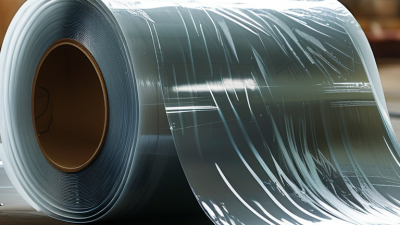
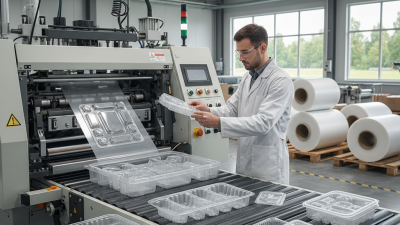
Picking the right PVC Rigid Film isn't just about lining up specs like thickness or surface gloss. The application tells you what matters most. A clear sheet might be perfect when you need product visibility, while an opaque grade can help shield light-sensitive contents. A thermoformable film has to behave very differently from printed label stock. And those small differences? They show up fast on the production line—especially during cutting, folding, sealing, and stacking.
Dr. Michael J. Schuler, a polymer-processing consultant with plenty of experience in rigid packaging materials, sums it up well: “A film should be judged by its performance after conversion, not by its appearance on the roll.” That practical mindset is what guides the rest of this discussion. Below, we look at ten widely used Rigid Pvc Film types—transparent, opaque, colored, printed, laminated, thermoformable, blister, pharmaceutical, industrial, and decorative. For each one, we’ll connect the dots between typical structure, surface finish, processing behavior, and what it brings to an application.
Of course, this kind of classification is helpful, but it’s not perfect. Some films fit more than one group. A printed sheet might also be laminated. A pharmaceutical grade might be transparent and thermoformable. That overlap matters—it’s often exactly where purchasing decisions get fuzzy.
So this guide stays close to real production details. Picture a film moving through heated tooling, taking ink, or forming around a sharp cavity. Thickness tolerance matters. Surface treatment matters. Storage conditions matter, too. Even a great-looking PVC rigid film can let you down if it curls, cracks, or loses print adhesion. The point isn’t to crown one universal winner. It’s to find the material structure that best fits your product, your equipment, and the conditions it’ll actually face in service.
Definition and Core Properties of PVC Rigid Film
PVC rigid film is a firm, non-flexible sheet made from polyvinyl chloride resin and carefully controlled additives. Unlike soft PVC Film, it keeps its shape under ordinary handling and moderate pressure. Its surface can be clear, white, colored, glossy, or matte. A cut edge often feels clean and slightly stiff.
The core properties are strength, dimensional stability, moisture resistance, and useful chemical resistance. The film can protect printed surfaces, form shallow trays, or support labels and industrial panels. Its thickness influences stiffness, impact performance, and forming behavior.
Transparent grades help users inspect contents, while opaque grades improve light blocking. It is not unbreakable. A sharp bend, cold temperature, or poorly controlled forming process may cause cracking.
Experienced Rigid Pvc Film Manufacturers usually test thickness, tensile strength, impact resistance, surface quality, and heat response. These checks matter because a smooth sample may still perform poorly during cutting or thermoforming. In practical production, operators watch for uneven cooling, tiny bubbles, and edge curl. Small defects can become visible under strong warehouse lighting. Testing should reflect the final application, not only laboratory conditions. A material that performs well on a test sheet may behave differently after printing, heating, or repeated handling. That limitation deserves attention.
How PVC Rigid Film Is Classified by Structure and Application
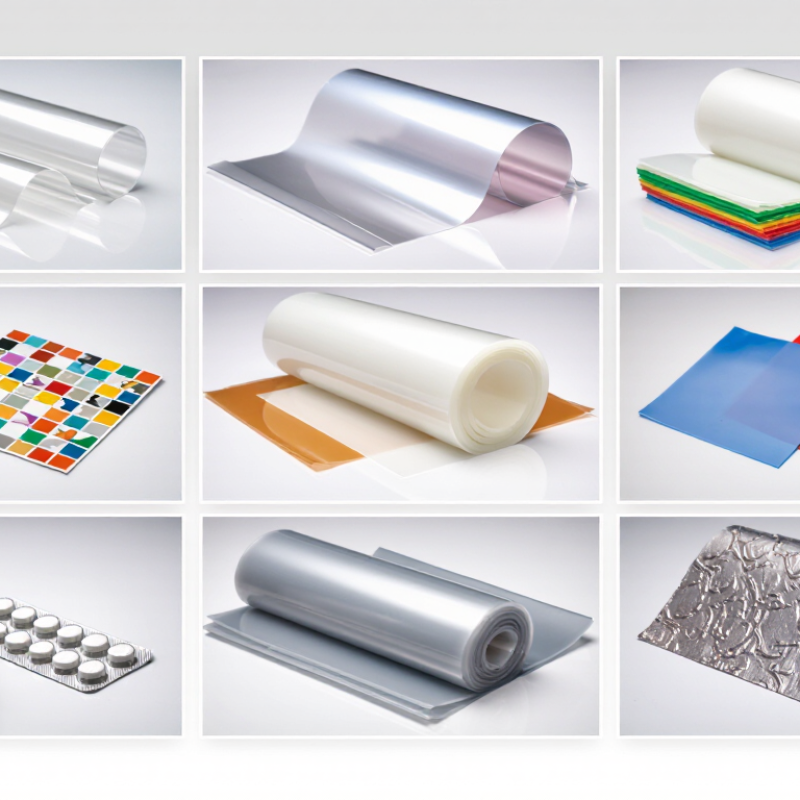
PVC rigid film is best classified by both structure and use. Clear Pvc Rigid Film has a transparent, unfilled structure for blister windows, folders, and display covers. Opaque film uses pigments or fillers where light protection matters. Colored film adds visual identification. Embossed film carries a raised surface for texture and grip. Laminated film combines layers for improved appearance or durability.
The remaining types are defined more by performance and application. Barrier film limits moisture or oxygen movement in selected packaging designs. Thermoformable film softens evenly and holds sharp tray details. Printable film accepts inks for labels, cards, and retail graphics. Anti-static film reduces dust attraction around sensitive components. Medical-grade film is engineered for controlled packaging environments, with strict cleanliness and sealing requirements.
The categories overlap. A single sheet may be clear, printable, thermoformable, and barrier-enhanced. That is often the practical answer. According to Grand View Research, the global PVC films market is projected to grow steadily through 2030, supported by packaging, construction, and healthcare demand. PlasticsEurope’s Plastics—the Fast Facts 2023 report places PVC among Europe’s major polymer families, confirming its industrial relevance. Yet market reports often group flexible and rigid films together, which can blur purchasing decisions. Thickness, impact strength, forming temperature, and migration testing deserve closer attention. A glossy surface alone proves little. Real selection should begin with the end-use failure risk: cracking at a folded edge, haze over a product, or sealing loss during storage.
Clear PVC Rigid Film for Visibility and Product Display
Among the top 10 types of PVC rigid film, clear PVC rigid film remains a practical choice for visibility and product display. Its transparent surface lets customers inspect color, shape, and details without opening the package. Clarity matters.
In retail displays, the film can form trays, windows, covers, and protective boxes. A balanced thickness helps prevent bending during handling. Surface gloss can improve shelf appeal, while a matte finish can reduce harsh reflections under strong store lighting.
High Quality Pvc Rigid Film should also provide stable dimensions, clean edges, and consistent transparency. These details affect how a product looks after transport, not only when it leaves the factory.
From production experience, material selection should match the display method. Heat forming, folding, printing, and sealing can require different film properties. Testing a small sample first is wise. Measure before cutting. A clear sheet may show fingerprints, scratches, or trapped dust more easily than an opaque sheet. That weakness is easy to overlook. Proper storage, protective liners, and careful trimming can reduce these problems. However, no film stays flawless under careless handling. Suppliers should verify thickness, appearance, and performance through documented inspections, while buyers should check samples under real lighting before approving a larger order.
Opaque and Colored PVC Rigid Film for Protection and Branding
What Are the Top 10 Types of Pvc Rigid Film?
The top ten types include clear, opaque, colored, matte, glossy, embossed, printable, UV-resistant, anti-static, and thermoformable Pvc Rigid Film. Opaque and colored grades deserve special attention. They hide scuffs, shield sensitive contents from light, and create a stronger visual block on shelves. Deep blue can suggest technical reliability. Warm orange can make a small package feel more energetic.
PlasticsEurope’s 2023 market report states that PVC represented about 9.6% of European plastics demand. That scale supports steady investment in film processing and quality control. In practical production, pigment dispersion matters greatly. Uneven color can appear as cloudy streaks under store lighting. A rigid film with consistent thickness also protects edges during stacking and transport. However, the brightest color is not always the best choice. I have seen attractive samples lose impact after poor printing or weak contrast. The specification looked correct, but the shelf result did not.
Tips: Check opacity with a light box, not daylight alone. Measure thickness across the roll width. Test colored film with the final ink, adhesive, and folding method. Ask for migration, durability, and surface-energy data from the supplier. Small trials often reveal curl, cracking, or poor print adhesion before full production. Some choices still require reconsideration. Better branding begins with realistic handling conditions.
Formable PVC Rigid Film for Thermoforming and Packaging
What Are the Top 10 Types of PVC Rigid Film?
Formable PVC rigid film is widely used for thermoforming trays, blister packs, clamshells, and protective inserts. The main types include clear, opaque, colored, food-contact, pharmaceutical, high-impact, anti-static, UV-resistant, electrical-insulation, and thermoformable PVC film. Among these options, thermoformable grades deserve closer attention. They must soften evenly, hold sharp corners, and avoid whitening during forming.
A 2024 analysis from Grand View Research estimated the global PVC films market at more than USD 5 billion. Packaging remains a major application area. A separate Smithers report identified continued demand for lightweight, formed packaging with improved material efficiency. These findings support PVC rigid film for shallow trays and small cavities. In practice, a 0.30–0.80 mm sheet can form around product edges while maintaining useful stiffness. Thickness selection still depends on cavity depth, heating time, and transport stress.
Clear film improves product visibility. Opaque film protects light-sensitive contents. Pharmaceutical grades require controlled cleanliness and consistent sealing behavior. Anti-static film helps reduce dust attraction during handling. UV-resistant film suits products exposed to store lighting. However, no grade is perfect. Excessive heating can cause sagging, haze, or uneven wall thickness. I would test the actual mold, not only rely on supplier data. Small changes in temperature can alter forming results.
Specialized PVC Rigid Film for Medical, Electrical, and Industrial Uses
What Are the Top 10 Types of PVC Rigid Film?
Specialized PVC Rigid Film for Medical, Electrical, and Industrial Uses
PVC rigid film is not a single material. Its performance changes with formulation, thickness, surface treatment, and processing conditions. The ten common types include clear, opaque, colored, high-barrier, medical, electrical-insulating, flame-retardant, antistatic, UV-resistant, and industrial-grade film.
Medical-grade PVC rigid film is used for device trays, protective covers, and transparent packaging. It needs controlled cleanliness, stable forming behavior, and documented compatibility with sterilization methods. A clear surface helps inspection, but appearance alone proves little. Batch testing should check thickness, transparency, sealing, and extractable substances. Requirements differ by application.
Electrical-insulating film must maintain dielectric performance and dimensional stability. Flame-retardant grades may support safer component housings, but they still require application-specific testing. Industrial film often combines chemical resistance, impact strength, and reliable thermoforming. UV-resistant grades suit equipment exposed to sunlight, while antistatic film helps reduce dust attraction near sensitive parts. These features can overlap.
The weak point is often overlooked. A specification may sound complete, yet omit temperature cycling or long-term storage data. Production teams should review actual operating conditions, not only catalog values. Small changes in thickness can affect forming accuracy, stiffness, and insulation. Careful sampling remains essential.
FAQS
PVC rigid film is a firm, non-flexible sheet made from PVC resin and controlled additives. It keeps its shape during normal handling. The cut edge feels clean and slightly stiff.
Its main properties include strength, dimensional stability, moisture resistance, and useful chemical resistance. It can protect printed surfaces, labels, panels, and shallow trays. It is not unbreakable.
PVC rigid film can be clear, white, colored, glossy, or matte. Clear film allows users to inspect contents. Opaque film blocks light and hides scuffs. Deep blue may feel technical, while orange can look more energetic.
Thermoformable film softens evenly and holds its shape after cooling. It can form trays, clamshells, inserts, and shallow cavities. A thickness of 0.30–0.80 millimeters may work, depending on the mold and transport stress.
Greater thickness usually improves stiffness and edge protection. It can also require more heating during forming. Thin film may bend easily but can show weaker impact performance. The best thickness needs practical testing.
Excessive heat may cause sagging, haze, or uneven wall thickness. Cold conditions and sharp bends may cause cracking. Poor cooling can create edge curl. Small temperature changes matter.
Check opacity with a light box, not daylight alone. Measure thickness across the entire roll width. Test the final ink, adhesive, and folding method together. Attractive samples can still perform poorly.
Check thickness, tensile strength, impact resistance, surface quality, and heat response. Inspect for bubbles, cloudy streaks, and uneven cooling. Strong warehouse lighting can reveal tiny defects. Laboratory results are not enough.
Yes, it can shield surfaces, reduce light exposure, and protect edges during stacking. Clear film improves visibility, while colored film creates stronger visual blocking. Yet weak printing or poor contrast may reduce the final effect. That deserves reconsideration.
Conclusion
Pvc Rigid Film is a strong, durable, and versatile plastic material valued for its dimensional stability, moisture resistance, chemical resistance, and smooth surface. Its main types are commonly classified by structure, appearance, forming performance, and end use. Clear PVC rigid film supports visibility and product presentation, making it suitable for transparent packaging, covers, and display applications. Opaque and colored varieties provide light blocking, privacy, surface protection, and opportunities for visual identification or branding.
Formable PVC rigid film is designed for heating and shaping, making it useful for thermoformed trays, containers, inserts, and protective packaging. Other specialized types include embossed, laminated, printed, flame-retardant, medical-grade, electrical-insulation, and industrial-grade films. These materials can be selected according to requirements such as flexibility, surface finish, insulation, hygiene, strength, and processing method. Understanding the differences among the top ten types helps manufacturers and buyers choose an appropriate PVC rigid film for reliable performance, efficient production, and practical application needs.