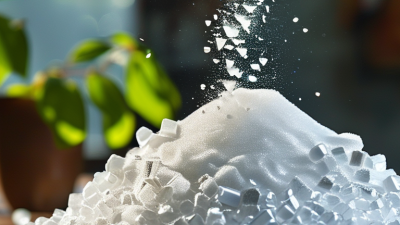
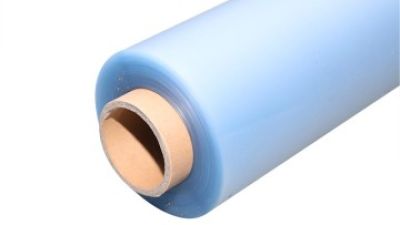
Picking the right Travel Urine Bag Film isn’t just about looks — it really impacts how comfortable the bag feels, how well it prevents leaks, how long it lasts, and whether users feel confident using it. When buyers around the world are shopping, they often compare different types of film first before even considering the full bag design. Honestly, this choice should be based on real, practical evidence—not just slick marketing claims.
In real-world buying scenarios, you should test samples by bending them, applying pressure, sealing them with heat, and checking how they hold up at low temperatures. A transparent film can make it easier to see inside, but it might also expose weak seals pretty quickly. On the flip side, a softer film might feel nicer to the touch, but it could be less resistant to punctures. Small details really do make a difference — things like film thickness, flexibility, odor control, transparency, and whether print labels work well on it — all can influence performance, especially during travel. Materials like polyethylene, PVC, TPU, and multilayer films each come with their own pros and cons, and the best choice really depends on the bag's design, storage conditions, and what it’s mainly used for.
This guide highlights the Top 10 Travel Urine Bag Films that global buyers should consider. We look at how the materials behave, the production experience, quality control, and potential risks during purchase. But keep in mind—always ask suppliers for technical data, batch records, and independent test results to back up their claims. Different markets have different standards, so your supplier’s documents need to be up-to-date and easy to verify. Remember, no single film is perfect, so it’s all about finding the best fit for your needs.
Also, don’t be fooled by evaluations that look convincing on paper—they’re not the full story. A film that scores well in a lab might behave quite differently once it’s inside luggage, a car, or outdoor medical kits. Serious buyers should compare samples under real-world handling conditions, check how well the sealing equipment works, ensure packaging is clean, and confirm the supplier can keep up with consistent supply. Ultimately, making a good choice comes down to solid evidence, honest communication, and being aware of the film’s potential weaknesses—even if some imperfections are just part of real life.
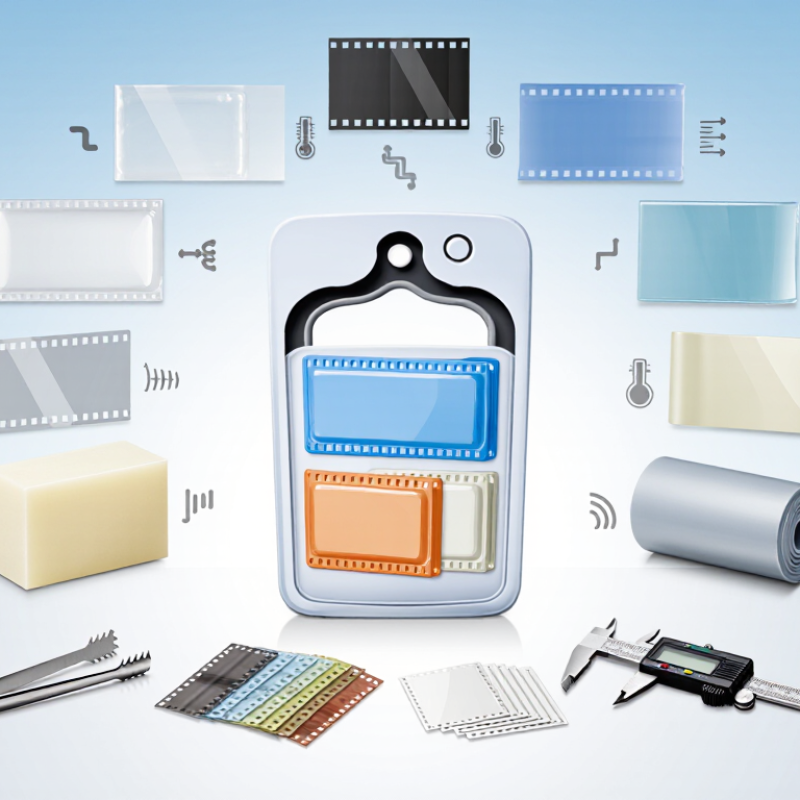
What Travel Urine Bag Films Are and Why They Matter
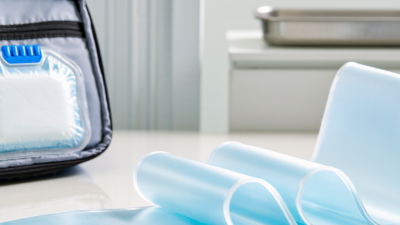
Travel urine bag films are thin, Flexible Materials that form the bag’s main body. They hold liquid, support heat-sealed seams, and help control leakage during movement. Common options include PVC, TPU, and polyethylene-based structures. Each material behaves differently under pressure, temperature changes, and repeated folding.
A suitable film should feel flexible without becoming weak. Clear or lightly tinted surfaces help users check the liquid level quickly. Smooth surfaces also reduce residue and make inspection easier. For buyers, film quality affects comfort, odor control, puncture resistance, and storage life. A poorly sealed edge can fail inside a suitcase. That risk is not theoretical.
Some supplier catalogs use the phrase Pvc Travel Feeding Bag Film, although product names may vary by application. Buyers should verify the film’s intended medical use instead of trusting a keyword alone. Ask for thickness data, tensile strength, seam-burst results, and material safety documents. Check performance after cold storage and bending. I have found that samples can look excellent yet fail during seam testing. No film solves every problem. Human handling still matters. Packaging should protect the film from sharp objects, heat, and prolonged sunlight. Selection becomes more reliable when laboratory results match practical travel conditions.
Key Materials Used in Travel Urine Bag Film Production
Travel urine bag film selection starts with material behavior, not appearance. Polyethylene is widely used because it is flexible, lightweight, and suitable for heat sealing. Low-density polyethylene feels soft during travel, while linear low-density polyethylene can improve puncture resistance. Multilayer PE films combine these advantages, but their structure may increase production complexity.
EVA film offers softness and better flexibility in cooler conditions. PVC film can provide clear visibility and reliable sealing, although buyers should review plasticizer choices and disposal requirements. TPU film is elastic, tough, and comfortable against the skin, but it usually costs more. Medical-grade materials should be evaluated through documented testing, not vague supplier claims. Look for tensile strength, tear resistance, seal integrity, odor, and liquid barrier data.
Some buyers search for Luxury Urine Bag Film because they want a smoother touch and clearer appearance. That phrase describes positioning, not a recognized material standard. No film is perfect. A softer layer may puncture more easily, while a stronger film can feel stiff. I would test filled bags inside a travel case, under bending, pressure, and temperature changes. A laboratory result alone may miss awkward handling. Film thickness also needs balance; excessive thickness adds weight, while thin film demands stricter quality control. Experienced procurement teams should compare samples, production records, and independent test results before approving a film structure.
Top Film Types for Different Travel Urine Bag Designs
Travel urine bags need different films for different designs, carrying habits, and storage conditions. Flat disposable bags often use flexible LDPE or multilayer PE film. These materials support clear visibility, heat sealing, and low-cost production. For compact roll-up designs, softer EVA film can improve folding without sharp creases. However, excessive softness may reduce handling stability during filling.
Wearable leg bags need stronger films, especially when movement creates repeated stress around seams and connectors. TPU film offers elasticity and a comfortable feel, while multilayer PE/PA structures can improve puncture resistance. Transparent or lightly tinted films help users inspect fluid levels quickly. Film thickness should match the bag volume, seal width, and expected transport conditions. A thicker film is not always safer. It may become bulky and harder to fold.
Tips: Check seal strength after bending, squeezing, and temperature changes. Request migration and biocompatibility data for patient-contact applications. Confirm that the film works with the selected valve and tubing. Test samples with actual urine simulants, not water alone. Small details matter. Some films look excellent on a clean factory table but wrinkle near the outlet. That weakness deserves another review. Procurement teams should also verify traceability, batch records, odor levels, and packaging cleanliness before approving a film type.
How Film Properties Affect Safety, Comfort, and Durability
For global buyers, travel urine bag film selection is not a cosmetic decision. It directly affects leak resistance, skin comfort, odor control, and storage life. PVC, TPU, and multilayer polyethylene films behave differently under pressure and temperature changes. A practical evaluation should measure seal strength, puncture resistance, elongation, and water-vapor transmission. Look closely at the seams. A bag that feels thick may still fail where the connector joins the pouch. Flexible TPU usually bends quietly inside luggage, while some PVC films offer economical stiffness and clear visibility. Durable Pvc Urine Bag Film should not be judged by thickness alone. Plasticizer migration, fold memory, and low-temperature flexibility can change performance during long journeys.
Comfort depends on more than softness. A smooth inner surface can reduce residue, while a suitable outer finish may prevent the bag from sticking to clothing. Film clarity helps users inspect volume and color without unnecessary handling. For safety, buyers should request documented biocompatibility data, cleanroom controls, aging tests, and seal-integrity results from suppliers. These records matter more than attractive samples. Field evaluations often focus heavily on burst pressure, then overlook valve fit and repeated bending. That is a useful mistake to examine. Real travel testing should include a packed suitcase, a warm vehicle, cold airport storage, and several hours of movement. No film solves every condition. A careful buyer compares intended use, comfort, and verified test evidence before choosing a film structure.
Choosing the Right Urine Bag Film for Global Markets
Top 10 Travel Urine Bag Film Types for Global Buyers
Choosing the Right Urine Bag Film for Global Markets
Global buyers need more than a low film price. They need predictable performance during transport, storage, and daily use. The top ten film options often include PVC, TPU, EVA, PE, and multilayer structures. These materials may have smooth, tinted, clear, or embossed surfaces. Each type affects flexibility, sealing behavior, visibility, and packaging efficiency.
Small details matter. A film that feels soft in a warm warehouse may become stiff during winter shipment.
Pvc Embossed Urine Bag Film can provide a textured surface that reduces sticking between stacked layers. It may also support easier handling during converting. However, texture depth must remain consistent.
Smooth PVC can offer clear visibility and stable heat sealing when properly formulated. TPU is flexible and suits applications requiring a softer feel. PE and EVA may support specific sealing or cost targets.
Multilayer films can combine strength, clarity, and sealability. Poor layer bonding may still create weak points.
Experienced sourcing teams should request samples, technical data, seal-strength results, thickness tolerance, and aging information. Testing should use the buyer’s actual tubing, connectors, and packing method.
A film can pass a factory test and still wrinkle after long-distance compression. That detail is easy to miss. Suppliers should explain resin specifications, migration testing, production controls, and traceability records clearly.
Destination requirements differ. Documentation must match the intended market and application.
No single film wins everywhere. Sometimes the cheapest structure becomes expensive after leaks, returns, or redesigns.
Quality Standards, Testing, and Regulatory Considerations
Top 10 Travel Urine Bag Film Types for Global Buyers
Film selection should begin with risk, not appearance. Common options include LDPE, HDPE, EVA, PVC, TPU, and multilayer PE structures. Coextruded barrier films can improve odor control and puncture resistance. Flexible TPU often supports comfort, but it may increase cost. PVC remains familiar, yet many buyers now request PVC-free alternatives.
Quality evidence must be measurable. Test the finished bag, not only the raw film. Useful checks include tensile strength, seam integrity, leak resistance, drop performance, odor control, and accelerated aging. ISO 10993 supports biological safety evaluation, while ISO 14971 guides medical-device risk management. ISO 11607 principles can support sterile-packaging assessment when sterility is claimed. The WHO/UNICEF Joint Monitoring Programme reported that 3.5 billion people lacked safely managed sanitation in 2022. That figure makes leakage prevention and disposal hygiene practical concerns, not minor details.
Regulatory pathways differ by market. Buyers should verify classification, labeling, traceability, and post-market procedures under applicable national rules. A supplier certificate is useful, but insufficient. The film may change after approval. This happens. Request lot-specific test reports, migration data, and a change-control agreement. Tips: compare dry and wet tensile results, inspect seams after repeated bending, and test samples at low temperatures. Do not trust a shiny surface. Performance must survive real travel.
Top 10 Travel Urine Bag Film Types: Representative Polymer Density Ranges
Density is a material-identification and formulation indicator, not a direct quality score. Lower-density polyolefins generally support lightweight flexible films, while PVC, PET, and some multilayer structures provide higher density and may be selected for stiffness, barrier performance, or reinforcement.
Values show representative density ranges in g/cm³ for common polymer families, based on standard density measurement principles such as ASTM D792. Final film selection should also verify tensile strength, elongation, seal integrity, chemical resistance, biocompatibility, extractables and leachables, and applicable regional medical-device requirements such as ISO 10993, ISO 14971, and ISO 11607 where sterile packaging is involved.
China PVC Film Rolls for Medical Urine Bags: Supplier Selection, Factory Insights, and Buying Guide
China PVC film rolls for medical urine bags require careful supplier selection because film quality directly affects leak prevention, welding performance, printing clarity, and user safety. According to the 2023 UNEP *Turning off the Tap* report, global plastic production could nearly triple by 2060 without stronger efficiency and circularity measures, making material control and responsible manufacturing increasingly important. Buyers should therefore evaluate resin consistency, thickness tolerance, surface cleanliness, and traceability rather than relying only on price.
A qualified factory should provide PVC film formulated for medical applications, with low toxicity and strictly controlled lead and cadmium content. Testing should address biocompatibility, chemical characterization, tensile strength, elongation, puncture resistance, and heat-sealing performance in line with relevant ISO 10993 principles and medical-device quality practices. Stable corona treatment and smooth surfaces are also essential for clear printing with different inks, patterns, and specifications. Factory audits, batch records, inspection reports, and sample approval can help confirm consistent production capacity.
When comparing Chinese suppliers, request technical datasheets, certificates of analysis, migration or extractables data, and production samples before placing a bulk order. Confirm roll width, thickness, core size, packaging, minimum order quantity, lead time, and customization options in writing. A reliable manufacturer should support trial orders, maintain controlled formulas, and deliver high-quality rolls suitable for printing and fabrication of medical urine bags while meeting agreed safety and performance requirements.
FAQS
They are thin, flexible materials forming the bag’s main body. They hold liquid and support heat-sealed edges. Film choice affects leakage, comfort, and storage life.
Common options include PVC, TPU, and polyethylene-based structures. Each responds differently to pressure, temperature, folding, and handling. No material performs perfectly everywhere.
Request thickness, tensile strength, elongation, puncture resistance, and seam-burst results. Ask for material safety and biocompatibility documents. Test samples after bending and cold storage.
A film can appear strong but fail at the seam or connector. Poor sealing may cause leakage inside luggage. Check seal integrity under pressure and repeated movement.
Not by itself. Fold memory, low-temperature flexibility, and plasticizer migration also affect performance. A thicker film may still have weak seams.
Smooth inner surfaces can reduce residue. A suitable outer finish may prevent sticking to clothing. Flexible material can bend more comfortably inside packed luggage.
Clear or lightly tinted film helps users check liquid level and color quickly. This reduces unnecessary handling. It also makes inspection easier.
Testing should include a packed suitcase, a warm vehicle, cold storage, and several hours of movement. Examine the bag after repeated bending. Laboratory results alone may miss practical failures.
Packaging should shield the film from sharp objects, heat, and prolonged sunlight. Keep edges from being crushed during transport. Small details matter.
No. Valve fit, sealing quality, packaging, and human handling still matter. A beautiful sample can mislead us. Practical testing is necessary.
Conclusion
Travel Urine Bag Film is a specialized barrier material used to create lightweight, leak-resistant, and hygienic urine collection bags for travel and mobile care. Its performance depends on the selected film structure, including flexible polyethylene, multilayer barrier films, co-extruded films, and medical-grade laminates. Different bag designs may require distinct combinations of softness, transparency, heat-sealing ability, puncture resistance, odor control, and liquid containment. These properties directly influence user comfort, product durability, storage convenience, and safe handling during transportation.
For global buyers, choosing the right film requires balancing performance, production efficiency, environmental conditions, and target-market expectations. Films should be evaluated through tests for seal strength, leakage, tensile performance, puncture resistance, chemical compatibility, aging stability, and microbial protection where applicable. Clear documentation, consistent raw-material control, clean manufacturing processes, and relevant quality and regulatory compliance are also essential. A carefully selected Travel Urine Bag Film can support reliable product performance while meeting practical needs across different travel bag formats and international markets.