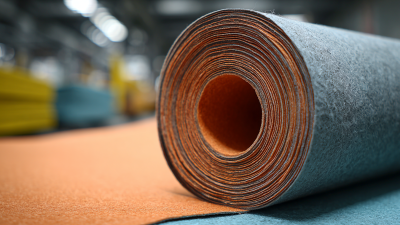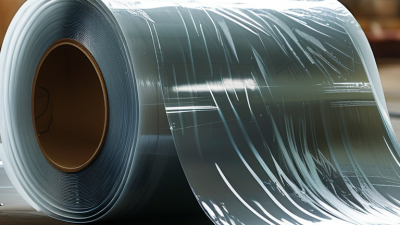
PVC Film is still a go-to material for all sorts of applications—from packaging and construction to healthcare, labels, and decorative surfaces. It’s pretty versatile, thanks to its mix of flexibility, printability, barrier properties, and affordability — that’s why you see it everywhere in global supply chains. But here’s the thing: ‘PVC film’ isn’t just one single product. The performance can vary a lot depending on thickness, the type of plasticizer used, surface treatments, transparency, and how it’s processed. So, it’s worth paying attention to these details.
Market reports back up this ongoing relevance, although the numbers can differ a bit depending on the source. For example, Fortune Business Insights pegged the global PVC film market at around USD 4.73 billion in 2023, and they’re expecting it to keep growing through 2030. Meanwhile, Grand View Research also sees steady expansion, mainly driven by demand from packaging, the automotive sector, and construction. Just a heads-up: these reports sometimes define things a little differently or cover different regions, so the figures aren’t always totally comparable.
If you’re a buyer in Germany, you might need PVC that stays flexible at low temperatures. On the other hand, a converter in Southeast Asia may be more concerned with humidity resistance and keeping rolls stable during delivery. And for medical uses, the specs are way stricter than for a quick decorative project. Basically, the little details really do matter.
In this guide, we’ll walk through ten main Types Of Pvc film—like calendared, cast, rigid, flexible, transparent, printed, laminated, and some specialty grades. We’ll look at typical uses, what makes each one technically solid, potential buying pitfalls, and key quality checks.
We’ve also pulled info from reports by Smithers, Grand View Research, Fortune Business Insights, and some industry standards. But honestly, no single report can answer all your sourcing questions. That’s where supplier audits, sample testing, and trial runs come into play. Data can point you in the right direction, but real-world production conditions might expose weaknesses—that's often where buyers get caught off guard.
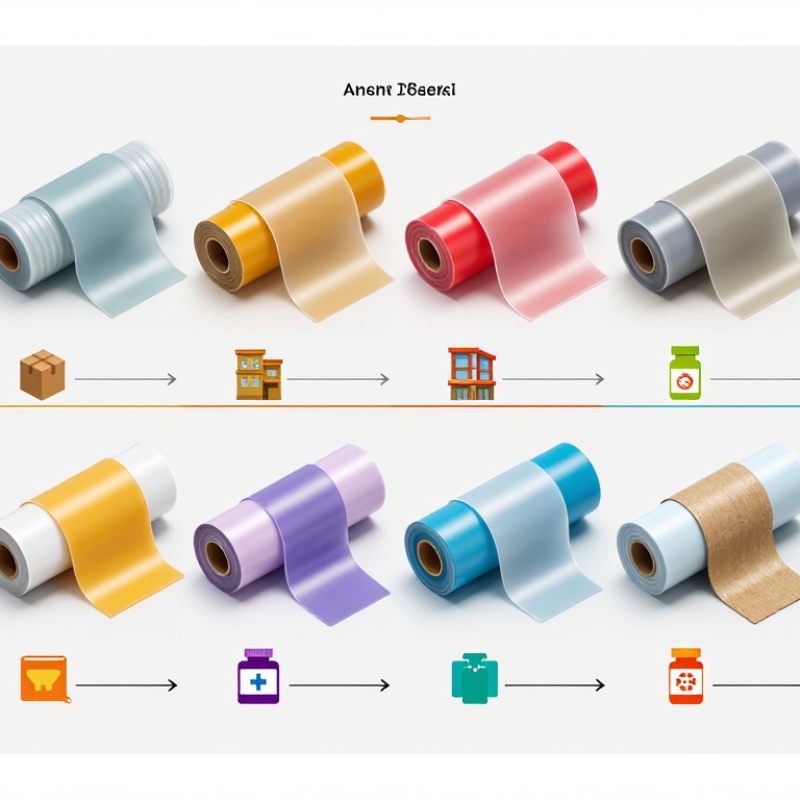
Top 10 Types of PVC Film for Global Buyers
PVC Film Basics: Composition, Properties, and Common Applications
PVC film begins with polyvinyl chloride resin, stabilizers, pigments, and processing aids. Flexible grades also contain plasticizers, which improve softness and folding performance. Rigid Pvc Film Uses less plasticizer and offers stronger dimensional stability. The balance matters. Too much plasticizer can reduce stiffness and affect long-term migration performance.
Manufacturers usually produce PVC film through calendaring or casting. Calendared film often suits flooring, labels, banners, and industrial laminates. Cast film can provide better clarity and consistent thickness for packaging or decorative surfaces. Common types include clear, opaque, printed, adhesive, shrink, laminated, rigid, flexible, and embossed films. Surface texture can resemble wood grain, leather, or frosted glass.
A 2023 PlasticsEurope report placed PVC at approximately 9.6% of European plastics demand in 2022. This indicates broad industrial use, not automatic sustainability. UNEP’s 2023 “Turning off the Tap” report projects that global plastic pollution could fall by 80% by 2040 through reuse, recycling, and improved design. Buyers should therefore request thickness tolerance, plasticizer details, weathering data, and recycling instructions. A practical warning: “recyclable” claims may ignore inks, adhesives, or mixed laminates. The film may perform well, yet its end-of-life route can remain unclear.
Top 10 Types of PVC Film for Global Buyers
How PVC Film Types Are Classified by Structure and Performance
PVC film is not one uniform material. Buyers usually classify it by structure, surface treatment, flexibility, and working performance. The ten common types include rigid film, flexible film, transparent film, opaque film, cast film, calendared film, laminated film, coated film, embossed film, and self-adhesive film. Cast film usually offers consistent thickness and smooth surfaces. Calendared film often provides stronger body and better dimensional stability. Structure matters.
Performance creates another useful classification. Transparent film supports visibility and light transmission. Opaque film improves coverage and color protection. Flexible film bends around curved surfaces. Rigid film keeps its shape under light pressure. Laminated and coated films add barrier, print, or wear-resistant layers. Embossed film creates texture, while self-adhesive film simplifies application. Some products also provide flame resistance, electrical insulation, or outdoor durability.
Check the data sheet carefully. Thickness, tensile strength, elongation, peel strength, shrinkage, and UV resistance affect real use. A soft film may perform well on curved panels but fail under heat. A rigid film may look stable but crack during folding. Field samples are essential. Test them on the actual substrate, temperature range, and application method. Categories often overlap. That is the difficult part. A “high-performance” film still needs suitable plasticizer control, surface adhesion, and storage conditions. My practical view is simple: classify the structure first, then verify performance through measured tests, not attractive descriptions.
Typical commercial thickness ranges show how PVC film types are classified by structure and performance. Actual specifications vary by formulation, production method, and end-use requirements.
Transparent PVC film supports visibility, protection, and practical display design. It appears in menu sleeves, retail pockets, window graphics, and product covers. A clear surface matters, but clarity alone is not enough.
Grand View Research estimated the global PVC films market at about USD 4.7 billion in 2023. Its forecast indicates steady growth through 2030, supported by packaging and construction demand. Transparent grades usually require controlled haze, stable thickness, and reliable tensile strength. Buyers should request haze and light-transmission values from each production lot. Small differences can distort printed images or reduce shelf impact.
The film should also resist folding marks, yellowing, and surface scuffing. For outdoor displays, UV resistance needs documented testing, not a vague “weatherproof” claim. A practical specification may include 0.20–0.50 millimetre thickness, measured haze, gloss level, and roll-width tolerance. Smithers’ flexible packaging research identifies visibility as an important feature in modern packaging formats. Still, transparent PVC can become brittle in cold conditions. That risk is easy to overlook. Sampling is essential. Let the film sit under actual lighting for several days before approval. Clear film is not automatically clean-looking. Poor tension, dust, or uneven coating can ruin the display.
Colored and opaque PVC film is gaining attention beyond simple decoration. Grand View Research identifies packaging as a leading PVC film application, while construction and interior surfaces remain important growth areas. For global buyers, this means color must support both appearance and performance.
In practical production, opaque PVC film hides uneven substrates, wiring, and old surface marks. Black, white, grey, and wood-tone films are common for cabinets, panels, labels, and protective coverings. High-quality pigments improve color consistency and light blocking.
However, color matching is rarely perfect across factories. Batch variation, screen settings, and lighting can mislead purchasing teams.
Thickness also changes the user experience. A thin film bends easily around edges, while a thicker grade offers stronger impact resistance. Decorative films may need embossing, matte finishes, or UV stability. Functional films may require flame-retardant, anti-static, or weather-resistant properties, depending on the application. Industry reports from IMARC and Grand View Research show continued demand for PVC films in packaging, construction, and consumer products, but market estimates differ by scope.
Tips: Request samples under daylight and warm indoor light. Test adhesion on the actual substrate. Check thickness, opacity, surface finish, and color tolerance before approving bulk production. Ask for technical data sheets and recent quality records. A low price can become expensive when replacement rolls fail.
Flexible PVC film remains useful for packaging, covers, and protective products. A Pvc Film Roll can become clear wrapping, mattress covers, table protection, or industrial curtains. Its soft surface bends around uneven shapes. Heat sealing also supports efficient packaging lines. Transparent grades help workers inspect contents without opening the pack.
Smithers estimates the global flexible packaging market reached about US$248 billion in 2023. Its 2024 study forecasts nearly US$290 billion by 2028. Packaging demand is growing, but PVC film selection still requires discipline. Buyers should check thickness, tensile strength, clarity, surface finish, and plasticizer migration. Food-contact applications need documented compliance with the destination market’s rules. Outdoor covers require UV resistance and stable performance during temperature changes. A thin film may reduce cost, yet it can tear around sharp corners.
There is no universal “best” PVC film. That idea is convenient, but incomplete. Flexible films can offer durability and water resistance, while disposal remains a concern in some markets. Grand View Research identifies packaging as a major PVC films application and expects continued market growth through 2030. Still, buyers should request test reports, sample rolls, and batch consistency records. A clear cover may look perfect under warehouse lights, then become brittle outdoors. Real-use trials reveal that weakness.
Rigid and semi-rigid PVC film serves demanding industrial environments. Common types include clear, opaque, colored, calendered, extruded, electrical, protective, printable, thermoformable, and barrier films. A Pvc Film Sheet can protect panels, labels, machine guards, and formed components. Rigid grades usually resist bending and impact. Semi-rigid grades offer controlled flexibility around corners and shallow curves.
Thickness matters. Many industrial sheets range from 0.25 to 1.5 millimeters, depending on forming and load requirements. Buyers should request tensile, tear, dimensional stability, and impact data. ASTM D882 supports tensile testing, while ASTM D1004 measures tear resistance. Laboratory figures help, but real production conditions can differ. Heat, sunlight, chemicals, and repeated handling may reduce service life.
The OECD Global Plastics Outlook reported 353 million metric tons of plastic waste in 2019. Packaging created about 40% of that total, while durable industrial parts generally remain in use longer. This difference deserves attention. Longer service life does not remove end-of-life responsibilities.
UNEP’s 2023 assessment found that systemic changes could reduce global plastic pollution by 80% by 2040. Therefore, buyers should examine recycled content, formulation transparency, and recovery options. A clear film may look flawless. It can still crack after forming or discolor near heat. Small pilot trials are wiser than relying on a datasheet alone.
Specialty PVC film serves different production needs, from vivid printing to durable surface protection. Printable PVC film accepts solvent, eco-solvent, and UV inks when its coating matches the printer. Clear film preserves graphics while protecting labels, panels, and promotional displays. White film offers stronger color contrast, especially on dark substrates. Embossed film adds tactile detail for cabinets, stationery, and interior surfaces. Glossy finishes reflect light. Matte finishes reduce glare.
For lamination, thickness and adhesive compatibility matter more than appearance alone. Lamination Pvc Film can protect printed graphics from scratches, moisture, and daily handling. Flexible grades suit curved panels, while rigid grades support flat boards and signs. Surface protection films may use removable adhesives, but removal performance depends on storage time and temperature. A film that performs well in a cool warehouse may fail after outdoor exposure. That detail is often underestimated.
Tips: Test a small sample first. Check ink adhesion after 24 hours. Measure film thickness at several points. Look for bubbles, edge lifting, or color changes after lamination. Keep rolls upright and sealed until use. Avoid excessive heat during application. In practice, even a reliable specification can disappoint when the substrate is dusty or uneven. That is worth reviewing before bulk production.
Global buyers assess PVC film beyond appearance. A clean surface, stable thickness, and controlled winding reduce production surprises. For Pvc Super Clear Film, buyers often inspect haze, gloss, tensile strength, elongation, and seal performance. ASTM D1003 supports haze testing, while ASTM D882 evaluates tensile properties. These tests create comparable evidence across suppliers.
Safety documentation matters just as much. The European Chemicals Agency’s regulatory guidance encourages clear substance communication and supply-chain traceability. Buyers commonly request REACH and RoHS declarations, migration test results, and certificates from accredited laboratories. Packaging applications require extra care. A film may look harmless but still fail when additives migrate, heat is applied, or food contacts the surface.
Not glamorous, but critical.
Supplier reliability is measured through production records, not polished samples. The PlasticsEurope “Plastics—The Fast Facts 2023” report recorded 54.6 million tonnes of plastics production in Europe during 2022, showing the scale of the supply chain. Buyers should compare batch consistency, inspection frequency, and complaint response times. Ask for retained samples. Request three consecutive batch reports. A single perfect roll proves very little. Some evaluations remain imperfect because test conditions differ between laboratories. That weakness deserves discussion, not concealment.
China SPC vinyl flooring suppliers provide durable PVC flooring solutions for residential, commercial, and industrial environments. Produced in a trusted factory, SPC flooring combines a rigid stone-plastic core with a resilient vinyl surface, creating a stable material that resists moisture, wear, stains, and daily impact. Its dimensional stability makes it suitable for kitchens, offices, retail spaces, hotels, and other areas that require reliable long-term performance. Available in a variety of colors, textures, and wood or stone-inspired patterns, these floors offer practical maintenance and flexible design options.
In addition to SPC flooring, our factory supplies high-quality PVC materials for diverse applications. These materials can be developed for printing, high-frequency processing, automotive interiors, soft glass, shoe materials, curtains, handbags, and packaging for high-grade goods. Careful selection of raw materials and consistent production controls help ensure smooth surfaces, dependable flexibility, strong processing performance, and stable quality across different applications.
As an experienced China supplier, we support customized thicknesses, finishes, dimensions, and technical specifications according to project requirements. From durable flooring panels to specialized flexible PVC materials, our production capabilities are designed to provide reliable solutions for distributors, manufacturers, contractors, and professional buyers seeking consistent quality and efficient supply.
It suits menu sleeves, retail pockets, window graphics, and product covers. Clear film supports visibility and surface protection. Clarity alone is not enough.
Check haze, light transmission, thickness, gloss, tensile strength, and roll-width tolerance. A practical thickness range is 0.20–0.50 millimetres. Request values from each production lot.
Place samples under actual lighting for several days. Check folding marks, dust, coating uniformity, scuffing, and yellowing. Small defects can weaken the display.
It can, if documented UV testing supports the application. Do not rely on a vague weather-resistant claim. Outdoor exposure may reveal brittleness or color changes.
They cover uneven substrates, wiring, old marks, cabinets, panels, labels, and protective surfaces. Black, white, grey, and wood-tone options are common. Coverage matters.
Compare samples in daylight and warm indoor light. Check opacity, thickness, finish, and color tolerance. Screen colors can mislead purchasing teams.
Test adhesion on the actual substrate. Also inspect embossing, matte or glossy finish, flexibility, impact resistance, and UV stability. Factory matching is rarely perfect.
Match the coating with the intended ink system. Check ink adhesion after 24 hours and inspect bubbles, edge lifting, and color changes. Test small samples first.
Keep rolls upright, sealed, and away from excessive heat. Remove dust from the substrate before application. Storage time can affect removable adhesive performance.
Dust, uneven surfaces, poor tension, or incorrect heat can cause failure. A cool warehouse test may not predict outdoor performance. That deserves another review.
PVC Film is a versatile material available in a range of structures and performance grades to meet different commercial and industrial needs. Its composition and properties influence characteristics such as flexibility, clarity, durability, and resistance to everyday wear. Transparent films support visibility and display, while colored and opaque options offer decorative finishes or concealment. Flexible PVC Film is commonly suited to packaging, covers, and protective products, whereas rigid and semi-rigid grades are chosen when greater shape retention and durability are important.
Specialty PVC Film can be designed for printing, lamination, or surface protection, adding useful finishes and functions to the material. To select the right type, global buyers should compare intended use, thickness, appearance, performance requirements, and consistency between production batches. They should also assess product safety information, quality controls, and supplier communication to ensure the film is appropriate for its application and can be supplied reliably.