Leave Your Message
0%

When global buyers are choosing a PVC Compound supplier, price alone is almost never the deciding factor. The real question is whether they can count on repeatable quality, solid technical support, and delivery that actually shows up on time. A compound might look perfect in a sample bag, then act completely different during a long extrusion run. And that gap? It can mean scrap, delays, and some pretty uncomfortable conversations with customers.

So, this guide takes a look at ten well-established suppliers—names like Teknor Apex, Avient, Benvic, Westlake, Aurora Plastics, plus a few other international players. We compare them on things that actually matter: formulation experience, production capacity, how they handle certifications, application support, and regional logistics. And it doesn't stop there—it also digs into the practical stuff, like pellet consistency, melt flow, color stability, packaging strength, and how quickly they respond when specs change. Because honestly? Small details matter.

You know, Dr. George Wypych—author of thE Pvc Handbook—once put it well: “PVC formulation is a balance between performance, processability, and cost.” And honestly, that same balancing act is still at the heart of responsible sourcing. Sure, a supplier with top-notch labs is a big plus. But great lab results alone? They can’t take the place of stable production records. So before locking into a long-term contract, buyers really should ask for recent test data, batch traceability, technical datasheets, and representative samples they can actually check.

Honestly, no ranking is ever set in stone. A medical-grade buyer might click with a totally different partner than a cable manufacturer would. And sometimes having local inventory beats saving a little on price. We do compare suppliers through a global purchasing lens, but we also know that market conditions shift. So before you commit, it's worth checking current certifications, lead times, and export paperwork directly with each company. Good decisions come from evidence—not pretty promises.

Top 10 PVC Compound Suppliers for Global Buyers

What PVC Compounds Are and Why Global Buyers Use Them

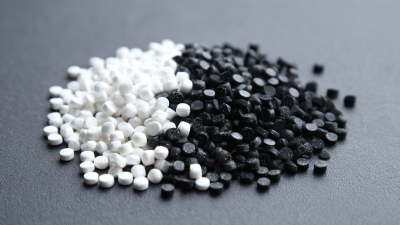
PVC compounds are engineered blends made from polyvinyl chloride resin, stabilizers, lubricants, pigments, and performance additives. Each ingredient changes the material’s behavior during processing and service. The blend may be supplied as dry powder or uniform pellets. It is then shaped through extrusion, Injection Molding, or calendaring.

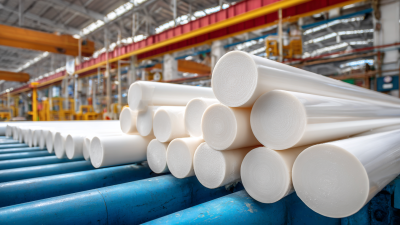
Global buyers use PVC compounds because they offer predictable processing, durable surfaces, and flexible design options. A Pvc Compound For Pipes can be adjusted for pressure resistance, impact strength, stiffness, or outdoor exposure. Pipe producers often inspect melt flow, density, color consistency, and heat stability before approving a batch. Small differences matter. They can affect wall thickness, joint fit, and production speed.

Experienced purchasing teams also review technical data sheets, safety documentation, batch records, and test results from qualified laboratories. Reliable suppliers explain recommended processing temperatures instead of offering vague performance claims. Storage conditions deserve attention too. Moisture, heat, and contamination can change powder handling and pellet quality.

No compound performs perfectly in every climate. A formulation suited to indoor drainage may fail under intense sunlight or freezing temperatures. Buyers should test samples using their actual equipment and application conditions. This step is sometimes skipped when deadlines are tight. That shortcut can create expensive rework, even when the material initially appears acceptable.

Key Properties and Applications of PVC Compounds

PVC compounds combine resin, stabilizers, lubricants, pigments, and impact modifiers. Their formulation controls hardness, flexibility, color, processing speed, and weather resistance. According to Fortune Business Insights, the global PVC market was valued at about USD 45.6 billion in 2023. Construction remains a major demand driver. PlasticsEurope reported global plastics production of 413.8 million tonnes in 2023, confirming the material’s broad industrial role.

Rigid compounds suit drainage pipes, conduits, window profiles, and siding. Flexible grades serve cable insulation, flooring, seals, and medical tubing. A properly balanced Pvc Pipe Compound can resist moisture, corrosion, and many household chemicals. It also supports efficient extrusion with consistent wall thickness. However, heat sensitivity remains a weakness. Poor stabilizer selection may cause discoloration, brittleness, or surface defects. I would not judge a supplier by price alone. Processing records, batch traceability, and test data matter more.

Tips: Ask for tensile strength, impact resistance, Vicat softening temperature, and weathering results. Check whether testing follows recognized ISO or ASTM methods. For outdoor pipes, compare long-term pressure data, not only fresh laboratory samples. Small formulation changes can alter performance. That detail is easy to overlook. Suppliers should also explain recycled-content controls, because contamination can affect color and durability. There is no universal compound; the correct grade depends on temperature, pressure, installation conditions, and expected service life.

How to Evaluate PVC Compound Suppliers Worldwide

Selecting PVC compound suppliers worldwide requires more than comparing prices. PlasticsEurope reported global plastics production at 400.3 million tonnes in 2022, showing the scale of this supply chain. Yet scale does not guarantee consistency. Ask for recent technical data sheets, batch records, and test methods for hardness, density, tensile strength, color, and thermal stability. A reliable supplier should explain acceptable tolerances clearly.

Request samples from different production batches. Test them using your own processing equipment, not only laboratory equipment. Check pellet flow, feeding behavior, odor, surface finish, and scrap rates. Small differences become expensive during long extrusion runs.

Audit quality systems, calibration records, raw-material controls, and complaint handling. ISO 9001 certification helps, but it is not proof of strong process control. A certificate can age.

Logistics deserve equal attention. The World Bank’s 2023 Logistics Performance Index assessed 139 economies through customs, infrastructure, tracking, and delivery timeliness. Use these factors when comparing overseas suppliers. Confirm minimum order quantities, safety-stock policies, packaging strength, shipping routes, and backup production capacity. Request compliance documents relevant to your market, including restricted-substance declarations and product traceability. Sustainability claims need evidence, such as energy data or recycled-content verification. A low quotation may hide testing costs, port delays, or unstable formulations. Use a weighted scorecard, but review it honestly; technical fit should outweigh attractive pricing.

Top 10 PVC Compound Suppliers for Global Buyers

Global buyers are reassessing PVC compound suppliers as demand expands across pipes, cables, flooring, and automotive parts. Grand View Research estimated the global PVC market at about USD 45.7 billion in 2023, with steady growth expected through 2030. This growth increases pressure on suppliers to provide stable formulations, reliable lead times, and traceable raw materials.

A capable supplier should offer technical support, not only pellets in bags. Buyers should request batch certificates, viscosity data, ash content, tensile results, and heat-aging performance. ISO 527 and ASTM D638 testing can support consistent mechanical evaluation. For cable or construction applications, suppliers should also explain flame behavior, plasticizer selection, and compliance documentation. Small differences matter. A compound that performs well at 23°C may fail after long exposure to heat, moisture, or ultraviolet light. The cheapest quotation can become the costliest choice.

Tips: Ask for three recent production samples, not one. Compare color, density, processing temperature, and surface finish. Check whether the supplier can maintain the same formulation across different production lots. Request a clear corrective-action process for rejected batches. Buyers should also review recycled content claims carefully, because definitions and verification methods are not always identical. I would not rely on a polished data sheet alone. Factory audits, trial extrusion, and independent laboratory testing often reveal practical weaknesses before a large order is placed.

Top 10 PVC Compound Suppliers for Global Buyers

Global PVC compound demand by major end-use segment, based on rounded industry market estimates.

Wire and cable, pipes and fittings, and flooring represent the largest PVC compound application segments globally. Buyers should compare suppliers by application expertise, formulation consistency, compliance capability, and delivery reliability.

Quality Standards and Certifications to Check

When comparing the Top 10 PVC Compound Suppliers for Global Buyers, quality evidence matters more than polished sales language. Ask for ISO 9001 certification, current audit dates, and the certified production site. A certificate should match the supplier’s legal entity, not only a trading office. Request technical data sheets for Pvc Joint Compound, including density, hardness, tensile strength, and processing temperature. Check whether test methods follow recognized standards such as ASTM, ISO, or EN requirements.

Certifications for restricted substances are equally important. Depending on the market, review RoHS, REACH-related declarations, and heavy-metal test reports. For electrical applications, examine flame-retardant performance and relevant safety testing. Food-contact or medical uses require separate approvals, traceability, and controlled production records. Do not accept a general compliance statement without batch-level evidence. I have found that small document gaps can reveal larger supply risks.

Tips: Ask for a recent sample, not a showroom sample. Compare its color, surface finish, and melt behavior with the approved specification. Confirm lot numbering, retention samples, and complaint response times. Factory audits can expose weak calibration practices that certificates miss. Still, audits are not perfect. A supplier may pass one visit and perform poorly later. Build periodic testing into the purchasing agreement, and keep an independent laboratory option available. Quality should remain measurable after the first shipment.

Pricing, Logistics, and Supply Reliability Factors

Top 10 PVC Compound Suppliers for Global Buyers

Price is only one part of a reliable PVC compound purchase. Buyers should compare resin grade, additives, packaging, and minimum order quantities. For Rigid Pvc Compound, a lower price may reflect fewer performance additives or different processing behavior. Request a recent technical data sheet and a small production sample. Check melt flow, color consistency, impact strength, and batch tolerance before approving a large order. A cheap shipment can become expensive after machine adjustments and rejected parts.

Logistics need equal attention. Confirm the loading port, production lead time, container capacity, and export documentation. Ask whether the supplier keeps safety stock during peak seasons. A clear delivery schedule should include production, inspection, booking, and customs transit. Supply reliability also depends on communication. Fast replies are useful, but accurate replies matter more. I have seen promising quotes fail because packaging dimensions were never confirmed. That mistake delays loading. Payment terms, quality claims, and replacement procedures should be written clearly.

Tips: Compare landed cost, not invoice price. Ask for two recent batch reports. Confirm moisture protection for every bag. Test samples under your own processing conditions. Keep a backup supplier, even when the first shipment performs well. Markets change, and forecasts are often wrong. Recheck freight rates before signing long-term contracts. A supplier may offer excellent material but weak planning. That weakness deserves attention.

Top 10 PVC Compound Suppliers for Global Buyers - Pricing, Logistics, and Supply Reliability Factors

Anonymous supplier benchmark profiles for international procurement screening. Prices are indicative 2025–2026 bulk-market ranges in USD per metric ton and should be confirmed through a formal RFQ.

Rank Anonymous Supplier Profile Primary PVC Compound Focus Indicative Price
(USD/MT)
Typical MOQ
(MT)
Standard Production Lead Time Export Packaging Common Trade Terms Typical Export Coverage Supply Reliability
(1–5)
Key Buyer Considerations
1 Supplier Profile 01 Rigid PVC
Pipe, fitting, and profile compounds
$1,150–1,420 20–25 15–25 business days 25 kg laminated bags; 1,000 kg jumbo bags available FOB, CFR, CIF Asia, Middle East, Africa, Europe 4.6 / 5 Strong batch consistency and high-volume capacity; confirm calcium-zinc stabilizer formulation and regional compliance documentation.
2 Supplier Profile 02 Flexible PVC
Cable, hose, flooring, and film grades
$1,280–1,680 18–22 18–30 business days 25 kg moisture-resistant bags; palletized loading FOB, CFR, CIF, DAP Europe, Southeast Asia, North America 4.4 / 5 Broad plasticizer options and hardness ranges; buyers should verify migration, odor, and restricted-substance test results.
3 Supplier Profile 03 Cable Grade
Insulation and sheathing compounds
$1,420–1,850 15–20 20–30 business days 20–25 kg bags; anti-static packaging on request FOB, CFR, CIF Europe, Asia-Pacific, Latin America 4.5 / 5 Suitable for buyers requiring electrical performance controls; request volume resistivity, tensile, elongation, and flame-retardancy data.
4 Supplier Profile 04 Medical Flexible PVC
Tubing, bags, and disposable components
$1,900–2,650 5–10 25–40 business days Clean 20 kg bags; controlled-packing options FCA, FOB, CIF, DAP Europe, North America, East Asia 4.3 / 5 Higher pricing reflects tighter quality controls; validate biocompatibility, extractables, traceability, and change-control procedures.
5 Supplier Profile 05 Building Products
Wall panels, flooring, roofing, and decorative profiles
$1,180–1,560 20–25 15–28 business days 25 kg bags; jumbo bags for repeat contracts FOB, CFR, CIF Middle East, Africa, South Asia, Europe 4.1 / 5 Competitive for container-scale orders; review weathering, impact, color stability, and recycled-content requirements before approval.
6 Supplier Profile 06 Transparent PVC
Clear sheets, packaging, and molded articles
$1,550–2,050 10–15 20–35 business days 20 kg bags with protective pallet wrapping FOB, CIF, DAP North America, Europe, Asia-Pacific 4.0 / 5 Requires tighter control of haze, color, gels, and contamination; a pre-shipment visual and optical inspection is recommended.
7 Supplier Profile 07 Automotive PVC
Interior trim, seals, and molded components
$1,650–2,250 10–20 25–40 business days 25 kg bags; lot-segregated pallet packing FCA, FOB, CFR, CIF Europe, North America, East Asia 4.2 / 5 Suitable for specification-driven programs; verify low-VOC performance, fogging, odor, heat aging, and automotive quality systems.
8 Supplier Profile 08 Wire and Cable
Flame-retardant and low-smoke PVC grades
$1,480–2,000 15–25 20–35 business days 25 kg bags; moisture-barrier liners available FOB, CFR, CIF Asia, Africa, Middle East, Latin America 3.9 / 5 Confirm the exact fire-test standard, smoke performance, electrical properties, and additive restrictions required in the destination market.
9 Supplier Profile 09 Recycled-Content PVC
Industrial profiles, mats, and non-critical products
$850–1,250 20–30 20–35 business days 25 kg bags; jumbo bags for standardized grades FOB, CFR, CIF Europe, Asia, Middle East 3.8 / 5 Offers cost and sustainability advantages; require recycled-content verification, contaminant limits, color tolerance, and lot-to-lot testing.
10 Supplier Profile 10 Custom Formulation
Color-matched and application-specific compounds
$1,350–2,400 5–15 25–45 business days 20–25 kg bags; custom labels and pallets FCA, FOB, CIF, DAP Europe, North America, Asia-Pacific 3.7 / 5 Useful for lower-volume or technically complex projects; allocate time for laboratory trials, color approval, tooling validation, and first-article testing.
Benchmark note: Pricing varies with PVC resin cost, plasticizer and stabilizer selection, compound hardness, color, order volume, energy costs, freight, duties, and payment terms. Reliability scores are procurement-screening indicators based on lead-time stability, quality consistency, export readiness, and contingency planning—not audited supplier ratings.

FAQS

What is a PVC compound?

A PVC compound blends resin, stabilizers, lubricants, pigments, and performance additives. It may arrive as powder or uniform pellets. The blend is shaped by extrusion, injection molding, or calendaring.

Why do global buyers use PVC compounds?

They offer predictable processing, durable surfaces, and flexible design options. Formulations can support stiffness, impact strength, pressure resistance, or outdoor exposure. Small differences can affect wall thickness and joint fit.

What properties should buyers check before approval?

Review melt flow, density, color consistency, hardness, tensile strength, and heat stability. Examine feeding behavior and surface finish during processing. Laboratory results alone may not show production problems.

How should buyers test samples?

Request samples from several production batches. Run them on your actual equipment and under real application conditions. Check pellet flow, odor, scrap rates, and finished surfaces. Deadlines sometimes encourage shortcuts.

What documents should a supplier provide?

Request current technical data sheets, safety documents, batch records, and test results. Ask for clear tolerance ranges and recognized test methods. Traceability documents should connect each shipment to its production batch.

Are certifications enough to prove supplier quality?

No certification guarantees stable production forever. Confirm the certified site, legal entity, audit date, and production scope. Factory audits and independent testing provide stronger evidence. Certificates can age.

What logistics details should buyers confirm?

Confirm minimum order quantities, packaging strength, shipping routes, and delivery schedules. Ask about safety stock and backup production capacity. A low quotation may hide port delays or extra testing costs.

How should buyers compare supplier quotations?

Use a weighted scorecard covering technical fit, quality evidence, logistics, service, and price. Technical performance should carry greater weight than a tempting quotation. Review the score honestly. It may still be imperfect.

How should PVC compounds be stored?

Protect powder and pellets from moisture, heat, contamination, and damaged packaging. Poor storage can change handling behavior and material quality. Clean, dry storage is practical. Not foolproof.

Conclusion

This guide explains what Pvc Compound is and why global buyers use it in products such as pipes, cables, profiles, flooring, medical components, and packaging. By combining PVC resin with carefully selected additives, manufacturers can achieve specific levels of flexibility, strength, weather resistance, flame retardancy, color stability, and processing performance. The article also outlines how buyers can compare suppliers based on technical capability, production capacity, quality control, customization services, communication, and international experience.

It further presents a practical framework for evaluating leading Pvc Compound suppliers without focusing on any particular brand. Buyers should review certifications, testing procedures, batch consistency, traceability, and compliance with relevant market requirements. Pricing should be assessed together with minimum order quantities, payment terms, packaging, transportation costs, delivery times, inventory planning, and supply continuity. A reliable supplier should offer transparent documentation, stable logistics, responsive support, and consistent product quality for long-term cooperation.
Amara

Amara

Amara is a dedicated marketing professional at Jiangsu Dahai Plastics Co., Ltd., a company rooted in the production of high-quality PVC films since its establishment in 1996. With a deep understanding of the industry and a passion for innovative plastic solutions, Amara plays a crucial role in......
Previous How to Choose the Right PVC Film Sheet Supplier?