You know, the rise of Pvc Blood Bags has really changed the game when it comes to storing and transferring blood in modern medicine. It’s made things safer and way more efficient for transporting these vital blood products. From what I’ve read recently, the global market for blood bags is set to grow pretty steadily, mainly because there’s an increasing need for blood transfusions and new tech is constantly being developed. PVC blood bags are pretty popular too — they’re clear, tough, and resistant to chemicals and contamination, which makes them super reliable in medical settings.
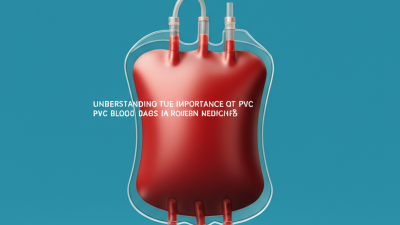
And speaking of innovation, Jiangsu Dahai Plastics Co., Ltd., has been leading the charge since 1996, producing all sorts of Pvc Films, including those specially made for healthcare. Their commitment to quality and tech means their blood bags meet all the strict safety standards that hospitals and clinics need, ultimately helping improve patient care and pushing medicine forward.
PVC blood bags are pretty essential in today’s healthcare scene. They’re mainly valued for their key features that make storing and transfusing blood safer and more efficient. Made from polyvinyl chloride, these bags are tough yet flexible — perfect for holding blood whether it’s just for a short time or longer-term storage. One of the big perks is that they resist contamination pretty well and don’t let gases pass through easily, which helps keep the blood blood high quality and safe for patients during transfusions.
On top of being durable, PVC blood bags also have some pretty important qualities like good biocompatibility and tight sealing. These features help prevent leaks and keep everything sterile and clean. They come in different sizes and setups, so they can fit a bunch of different needs in medical settings — ultimately making healthcare delivery smoother. As medical tech keeps improving, newer materials and smarter polymers are likely to make blood bags work even better, which should lead to better patient outcomes and more efficient blood management in hospitals and clinics.
Nowadays, in the world of medicine, PVC blood bags are really catching on — and for good reason. They have quite a few advantages over the old-school materials like glass or polyolefin. PVC, which stands for polyvinyl chloride, is mostly produced through two main methods: one using calcium-carbide and the other relying on ethylene. These days, the ethylene process is becoming more popular because it’s cheaper and meets stricter environmental standards. That shift? It's a win-win — production gets more efficient, and it’s better for the planet. That’s why PVC blood bags are becoming a pretty eco-friendly choice for storing blood.
And it’s not just blood bags, either. The market for disposable PVC gloves really highlights how much the demand for PVC materials in healthcare is growing. Back in 2022, that market was worth around $350 million, and experts expect it to jump to about $520 million by 2030. Plus, the annual growth rate from 2024 to 2030 is looking strong at around 5.2%. It just goes to show how much healthcare providers rely on PVC products — thanks to their sterility, flexibility, and durability.
When you're picking out blood storage options, it's worth thinking about things like how long it can be stored and if it’s compatible with the different blood types. And if you're into market trends when it comes to disposable medical supplies, keeping an eye on these numbers can really help your facility make smarter decisions about what to buy.
PVC blood bags are pretty essential when it comes to modern blood donations and transfusions. They make it much easier to store and transport blood safely and efficiently. According to the World Health Organization (WHO), around 118.5 million blood donations are collected worldwide each year, and PVC bags happen to be the go-to choice. That’s mainly because they’re lightweight, flexible, and don’t react with the blood. Plus, they help keep the blood components intact and reduce the chances of contamination, which is super important.
What’s cool about PVC bags is how versatile they are within the healthcare system too. They’re designed to hold different blood parts like red blood cells, platelets, and plasma, which makes managing resources a whole lot easier. Oh, and there’s this study published in the Journal of Blood Medicine that found using PVC for storing blood can actually extend how long the blood stays good—up to 42 days in some cases! That’s actually pretty important, especially when there’s a high demand for blood, like in emergencies where quick transfusions are needed the most.
| Feature | Description | Importance |
|---|---|---|
| Material | Polyvinyl Chloride (PVC) | Durability and flexibility for safe storage |
| Function | Collection, storage, and transfusion of blood | Essential for effective blood donation processes |
| Safety | Low leaching of chemicals ensuring blood integrity | Reduces risks of contamination and adverse reactions |
| Storage Capacity | Varies from 250ml to 500ml bags | Meeting different patient needs during transfusions |
| Shelf Life | Typically 35 to 42 days when properly stored | Ensures availability of blood products when needed |
| Compatibility | Compatible with various blood types and components | Facilitates safe transfusion practices across diverse patients |
When you think about it, the whole lifecycle of PVC blood bags is pretty important when we talk about their environmental footprint. You see, polyvinyl chloride—or PVC—is super common for storing blood because it has some really great qualities. But, honestly, the way it’s made and what happens to it afterward can be pretty concerning for the planet. Like, the manufacturing process can release nasty pollutants, and because these bags are non-biodegradable, they’re tough to get rid of without causing environmental issues. It’s kind of a complicated journey from production to disposal, and it definitely carries environmental baggage.
Thankfully, recycling might be part of the solution here. More and more hospitals and clinics are starting to recycle used PVC blood bags, turning them into new products instead of just throwing them away. That’s a step in the right direction for cutting down waste and saving resources. Plus, there are some pretty exciting innovations happening in medical manufacturing—new materials are being developed that could someday replace PVC altogether, making things much more eco-friendly. All in all, it’s really about staying mindful of the full lifecycle of these supplies and pushing for progress that’s better for the environment without compromising healthcare. It’s a lot to think about, but change is definitely on the horizon.
Looking ahead, the future of PVC blood bag technology is really exciting, with some pretty cool innovations on the horizon that aim to make transfusions safer and more efficient. You know, recent studies show that around 10% of blood transfusions can lead to reactions, which just highlights how much room there is for improvement in how we store and handle blood. One of the coolest new tech trends is smart blood bags—these are equipped with sensors that can keep an eye on temperature and contamination in real-time. That’s a game changer because it can really cut down on the risks associated with transfusions.
Plus, with progress in biocompatibility and new materials, developers are creating the next generation of PVC blood bags. Some of these new bags even have antimicrobial properties built right in, which could seriously reduce the chances of bacteria getting into the blood during storage and transport. According to a 2022 WHO report, making blood products safer could save millions of lives each year by lowering the rates of infections transmitted through transfusions.
So, a little tip—if you're involved in transfusion medicine or just caring for someone who might need a blood transfusion, always push for using technology-forward solutions. Make sure hospitals and clinics are using modern blood storage systems that really prioritize patient safety. Staying in the loop about these cool innovations in PVC blood bag tech can also help healthcare pros make smarter choices when it comes to patient care and choosing the right products.
: The production and disposal of PVC blood bags raise significant ecological concerns, including the release of harmful pollutants during manufacturing and challenges posed by non-biodegradable plastics.
Yes, hospitals and medical facilities are increasingly exploring recycling programs that can transform used PVC bags into new products, helping to reduce waste and conserve resources.
Emerging technologies include smart blood bags equipped with sensors that monitor temperature and contamination in real-time, enhancing safety during blood transfusions.
Innovations such as integrating antimicrobial properties into PVC blood bags can reduce the risk of bacterial contamination during storage and transport, potentially saving lives by decreasing transfusion-transmitted infections.
Approximately 10% of transfused blood components are associated with transfusion reactions, indicating a need for improvements in blood storage and handling systems.
Continuous assessment and improvement of the lifecycle management of medical supplies are crucial to ensure that advancements in healthcare do not compromise environmental sustainability.
Healthcare professionals should advocate for technology-driven solutions and ensure that medical facilities are equipped with modern blood storage systems that prioritize patient safety.
The World Health Organization highlights that enhancing the safety of blood products can potentially save millions of lives each year by reducing the rate of transfusion-transmitted infections.
Patients can stay informed by following updates on ongoing innovations and improvements in PVC blood bag technology, which can help them make better decisions regarding their care.
PVC blood bags are pretty essential in today’s medical world. They’re specially designed to keep blood safe during storage and transport, and they actually have some pretty clear advantages over older materials like glass or other plastics. For one, they’re lightweight, flexible, and sturdy — which makes them perfect for blood donations and transfusions. Plus, when you think about their lifecycle, there’s a real focus on making sure they’re environmentally friendly, from production all the way through disposal.
At Jiangsu Dahai Plastics Co., Ltd., we’re proud to be one of the top manufacturers of various PVC films, and we truly understand how important PVC blood bags are in helping keep patients safe and ensuring healthcare runs smoothly. As we keep pushing forward with new PVC innovations, our goal is to add better safety features to these blood bags, so they can keep up with the changing needs of the medical field and deliver even more peace of mind.