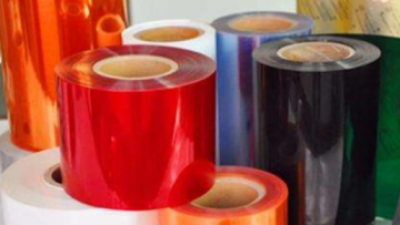
In today’s fast-changing world of packaging, picking the right material isn’t just a small detail – it’s a big deal. You want your products to stay safe, look good, and keep costs in check, right? Among all the options out there, Pe Film Material really stands out because it’s super versatile and reliable across different types of packaging. As businesses try to meet customer expectations while also playing by environmental rules, it’s pretty important to know what makes PE Film special and how it benefits your packaging game.
Whether you're wrapping up food, electronics, or everyday consumer goods, the kind of PE Film you choose can really make or break your packaging strategy. So, in this article, I’ll walk you through what you should think about when picking the best PE Film for your specific needs. From how tough it is, to its barrier qualities, heat resistance, and how easy it is to recycle — I’ll cover all those key points that can help you make smarter decisions. This way, you’ll be able to boost your product’s safety and attractiveness, even in a pretty crowded market. Basically, my goal is to give you the info you need so you can pick the right packaging material — making your processes efficient, sustainable, and (hopefully!) a little bit easier.
Hope that helps you see things a bit clearer, and feel a bit more confident about choosing the right material for your packaging needs!
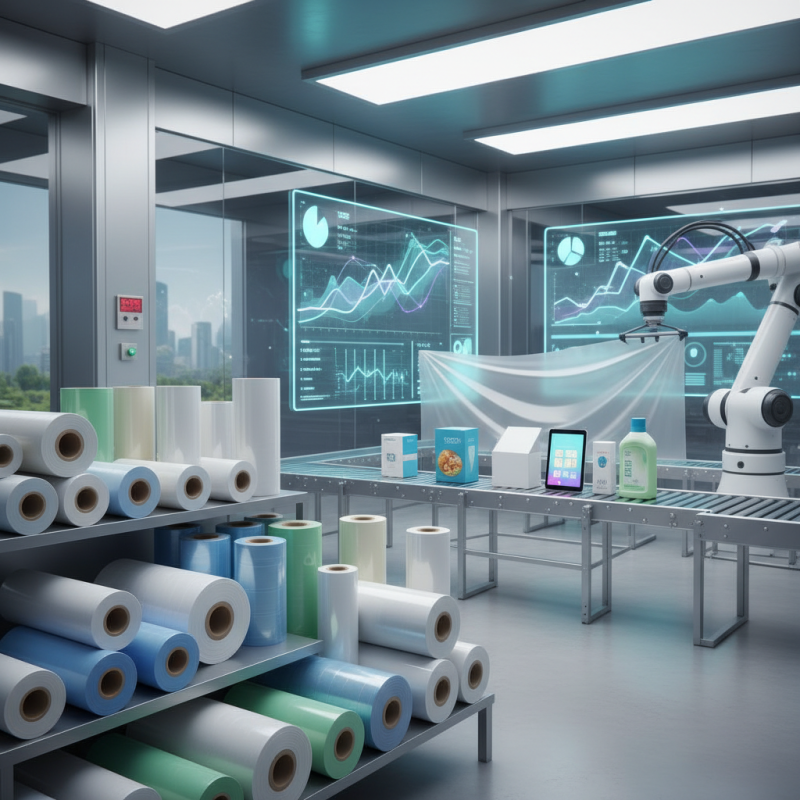
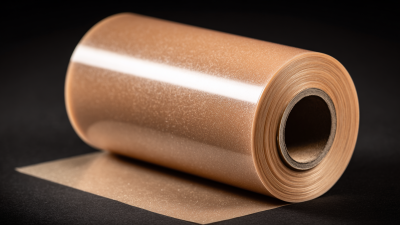
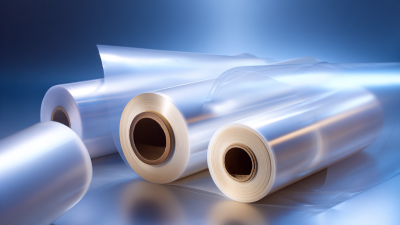
When selecting polyethylene (PE) film for packaging, understanding the various types and their properties is essential to meet specific requirements effectively. PE films primarily come in three types: Low-Density Polyethylene (LDPE), Linear Low-Density Polyethylene (LLDPE), and High-Density Polyethylene (HDPE). According to the Plastics Industry Association, LDPE is known for its flexibility and ease of sealing, making it ideal for applications requiring a lightweight and tough packaging solution. Conversely, HDPE offers higher tensile strength and is resistant to impact, making it suitable for applications demanding durability, such as heavy-duty bags and containers.
The properties of PE films also greatly vary depending on their molecular structure. For instance, LLDPE films exhibit excellent stretchability and strength, often resulting in superior puncture resistance. This makes them preferable for applications like stretch films and grocery bags. Additionally, industry reports indicate that the global demand for biodegradable and sustainable PE alternatives is on the rise, with forecasts predicting an annual growth rate of over 4% in the next five years. As sustainability becomes integral to packaging, understanding the characteristics of different PE film types will enable companies to align their packaging needs with environmental goals, ultimately improving product protection while adhering to a commitment to sustainability.
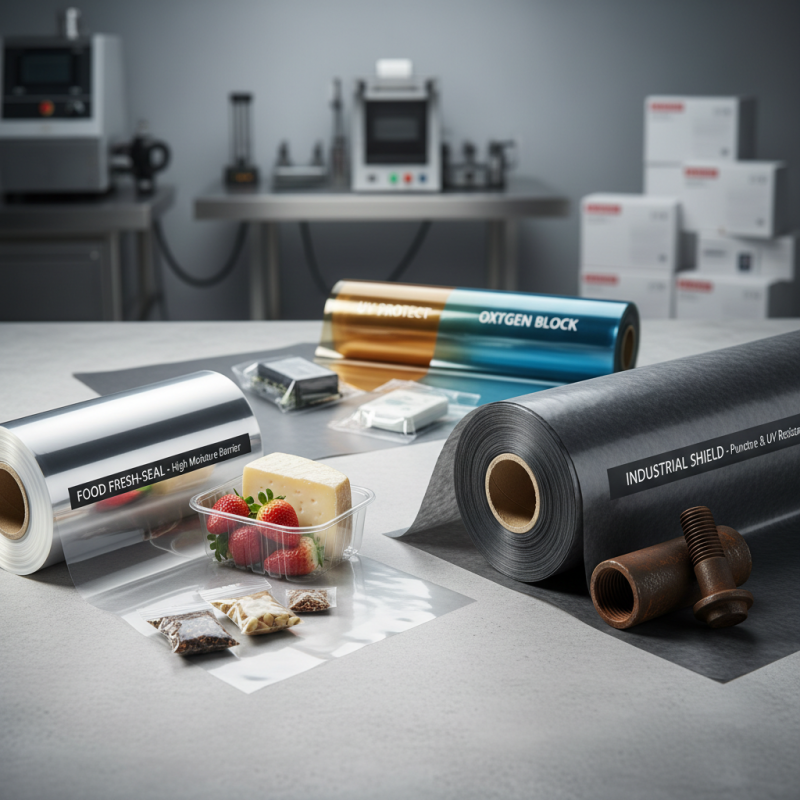
When selecting the best polyethylene (PE) film material for your packaging applications, several key factors must be taken into account. Firstly, consider the specific requirements of your product. Different applications may necessitate varying thicknesses, clarity levels, and barrier properties to protect against moisture, oxygen, or UV exposure. For instance, food packaging may require films with excellent moisture barriers to maintain freshness, while industrial applications might prioritize durability and puncture resistance.
Another critical aspect to evaluate is the environmental impact of the PE film. As sustainability becomes increasingly important, many manufacturers now offer biodegradable or recyclable options. Choosing materials that align with eco-friendly practices not only helps reduce the carbon footprint but can also enhance your brand’s reputation. Additionally, cost-effectiveness is a significant consideration; it's essential to balance quality and price to ensure that the chosen film meets your budget without compromising on performance or safety.
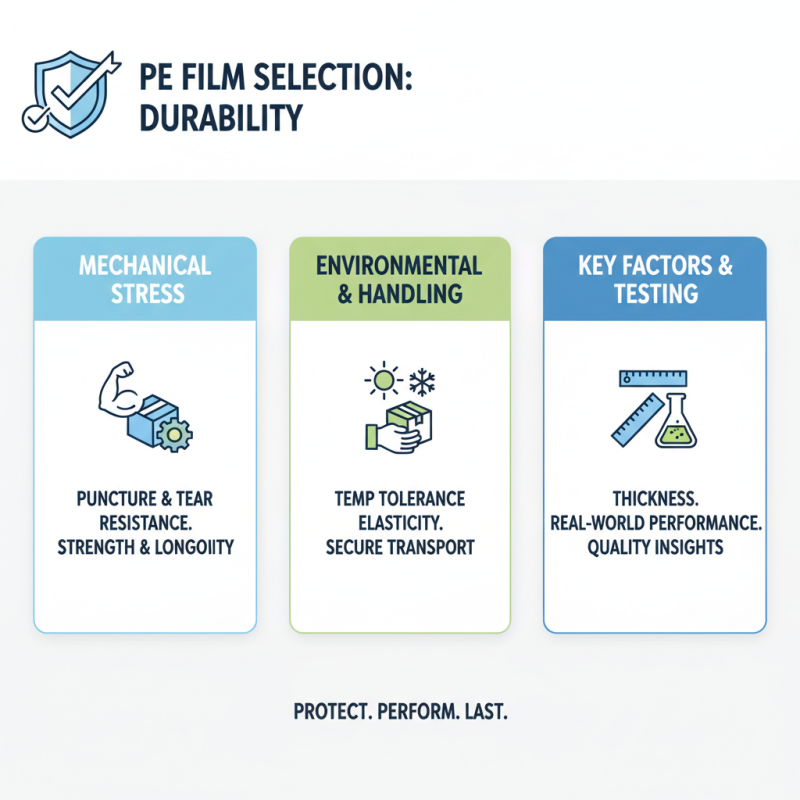
When selecting the right polyethylene (PE) film material for packaging, it is essential to evaluate its durability and barrier properties. Durability refers to the film's ability to withstand mechanical stress, environmental conditions, and handling during transport. A robust PE film should exhibit resistance to punctures and tears, ensuring that the packaged product remains secure and intact. Factors such as thickness, elasticity, and temperature tolerance play a crucial role in determining the film's strength and longevity. Testing for these qualities can provide insights into how the film will perform in real-world applications.
Barrier properties are equally vital when considering PE films for packaging. These properties determine the film's ability to protect products from external elements such as moisture, gases, and contaminants. High-quality PE films can provide excellent barriers against oxygen and water vapor, which is crucial for preserving the freshness of perishable goods. Additionally, the selection of additives and the specific manufacturing processes can enhance these barrier characteristics. Evaluating these properties will help ensure that the chosen PE film not only meets the specific requirements of the products being packaged but also contributes to sustainability efforts by reducing waste and extending shelf life.
When selecting the optimal PE film material for packaging, sustainability considerationsare paramount in today's environmentally conscious market. According to a recent report by the European Bioplastics Association, the production of traditional Plastic Materials contributes significantly togreenhouse gas emissions, and as a result, the demand for sustainable alternatives is on the rise. In fact, the bioplastics market is expected to grow by over 20% annually, driven by industries seeking greener packaging solutions.
One key aspect to consider is the source of the polyethylene (PE). Films produced from recycled materials not only reduce landfill waste but also save energy in the production process. For instance, using post-consumer recycled content can decrease energy consumption by up to 70%, as reported by the American Chemistry Council. Additionally, many manufacturers now offer bio-based PE derived from renewable resources like sugarcane, providing an alternative that has a lower carbon footprint compared to conventional fossil fuel-derived plastics.
Tips: When evaluating PE film options, look for certifications such as the FSC (Forest Stewardship Council) or ASTM D6400, which indicate adherence to sustainability standards. Also, consider the film's recyclability and the availability of recycling programs in your area—these factors can greatly impact the environmental benefits of your packaging choice. Engaging with suppliers who prioritize sustainable practices ensures that your packaging not only meets functional requirements but also aligns with broader sustainability goals.
When selecting the best polyethylene film (PE film) material for your packaging needs, it's essential to conduct a comparative analysis of both cost and performance metrics. According to a 2023 industry report by Smithers Pira, the global flexible packaging market is projected to reach $300 billion by 2025, with PE films accounting for a significant share due to their versatility and low cost. The report outlines that PE films can reduce packaging costs by approximately 15-20% compared to other materials, making them an attractive option for various applications.
In terms of performance, PE films typically excel in moisture barrier properties and durability. A study conducted by the Flexible Packaging Association indicates that PE films can maintain a moisture barrier of up to 5,000 grams per square meter per 24 hours, depending on thickness and formulation. This makes them particularly suitable for food packaging, where preserving freshness is crucial. However, it's important to balance performance with cost. Films that offer better puncture resistance and thermal stability may cost slightly more but can lead to lower spoilage rates and improved shelf life, ultimately saving money in the long run.
Tips: When evaluating PE film options, consider conducting a lifecycle analysis to assess the total cost of ownership. Additionally, ensure that you account for the environmental impact—recycling capabilities and the energy used in production can influence your overall sustainability goals. Lastly, stay informed about advancements in material technology, as innovations in PE film formulations can provide enhanced performance at competitive prices.
When selecting the best polyethylene (PE) film for your packaging needs, understanding industry standards and certifications is crucial. The quality and safety of PE films are often determined by various regulations and certifications that ensure they meet the required criteria for functionality and environmental impact. Key certifications to consider include the ASTM International standards, which provide guidelines for the physical and chemical properties of PE films. These standards help manufacturers produce films that are not only durable but also suitable for specific applications, such as food packaging or industrial use.
Additionally, certifications like the FDA compliance for food contact materials ensure that the PE films are safe for use in packaging food products. Other relevant certifications, such as ISO standards, focus on sustainable practices and environmental management, indicating whether the manufacturing processes minimize waste and carbon footprints. When evaluating PE films, it is essential to verify these certifications to ensure that the material you choose aligns with your packaging requirements while also adhering to regulatory standards for safety and sustainability.
The future of polyethylene (PE) film technology is poised to transform the packaging industry, driven by advancements in material science and sustainability. As environmental concerns intensify, innovations are focusing on creating PE films that are not only effective in preserving products but also environmentally friendly. This includes the development of bio-based PE films made from renewable resources, as well as increasing the recyclability of traditional PE films. These advancements not only reduce the carbon footprint of packaging but also address the consumer demand for sustainable options.
Additionally, the integration of smart technology into PE films is gaining traction. Future films may incorporate sensors that provide real-time information about product freshness or environmental conditions during transport. These smart films can enhance supply chain transparency and improve inventory management, ultimately leading to reduced waste.
With ongoing research and collaboration among industry players, the next generation of PE films is expected to enhance performance characteristics, such as barrier properties and durability, while maintaining a commitment to sustainability. As the packaging landscape evolves, these trends highlight the importance of choosing advanced PE film materials that align with both business and environmental goals.
When selecting materials for your projects, the choice of PVC sheets is crucial, particularly with options like upright transparent rigid PVC sheets in various thicknesses, such as 0.15mm, 0.3mm, and 0.8mm. These sheets are highly UV-stabilized, providing excellent durability and resistance to the elements, making them suitable for both indoor and outdoor applications. Their high hardness and strength ensure that they can withstand physical stress while maintaining their pristine appearance.
Additionally, these PVC sheets exhibit remarkable aging resistance and reliable insulativity, meaning they will retain their exceptional characteristics over time without succumbing to degradation. The waterproof nature of these sheets adds another layer of versatility, enabling them to excel in environments where moisture is a concern. Their smooth surface not only enhances aesthetic appeal but also prevents deformation, allowing for precise applications such as displays, partitions, and protective covers. Whether you need lightweight options for crafting or robust solutions for industrial uses, upright transparent rigid PVC sheets deliver performance and reliability across various thicknesses.
: Durability in PE films refers to the film's ability to withstand mechanical stress, environmental conditions, and handling during transport, ensuring the packaged product remains secure and intact.
The durability of PE films can be tested by evaluating factors such as thickness, elasticity, temperature tolerance, and their resistance to punctures and tears.
Barrier properties determine the film's ability to protect products from external elements, such as moisture, gases, and contaminants, which is vital for preserving the freshness of perishable goods.
The selection of additives and specific manufacturing processes can enhance the barrier characteristics of PE films, making them more effective in protecting products from external elements.
Sustainability considerations are essential due to the environmental impact of traditional plastic production, leading to a demand for greener alternatives that contribute to reduced greenhouse gas emissions and waste.
Sustainable alternatives to traditional PE films include films made from recycled materials and bio-based PE derived from renewable resources like sugarcane.
Look for certifications such as FSC (Forest Stewardship Council) or ASTM D6400, which indicate adherence to sustainability standards in the production of PE films.
Using post-consumer recycled content can decrease energy consumption by up to 70% during the production process, thus reducing landfill waste and lower carbon footprints.
One should consider the film's recyclability and the availability of recycling programs in their area, as these factors significantly impact the environmental benefits of packaging choices.
Engaging with suppliers that prioritize sustainable practices ensures that packaging not only meets functional requirements but also aligns with broader sustainability goals, reducing environmental impact.
When selecting the best PE film material for packaging needs, it is crucial to understand the various types and properties of polyethylene films. Factors such as durability, barrier properties, and sustainability considerations play a significant role in the decision-making process. Evaluating these aspects ensures that the chosen PE film material not only meets performance requirements but also aligns with environmental standards.
Additionally, a comparative analysis of cost and performance metrics, combined with an understanding of industry standards and certifications, can guide businesses in making informed choices. As technology evolves, staying updated on future trends in PE film materials will further enhance packaging solutions, ensuring they are both effective and sustainable in a changing market landscape.