Eva Film is pretty well-known these days for being versatile and high-performing, making it a go-to material across a bunch of different industries. As technology keeps advancing and what consumers want keeps changing, it’s really important for both professionals and enthusiasts to get a good grip on what Eva Film is all about and how it’s used. From wrapping up products to parts in cars, Eva Film is gaining more recognition thanks to its durability, clear look, and eco-friendly qualities.
In this article, I want to share ten key tips to help you get the most out of Eva Film in today’s applications. We’ll look into its properties, the perks of using it, and some important things to consider if you want to do it right. Whether you’re into manufacturing, design, or just curious about the many ways Eva Film can be used, these tips should give you a solid overview and help you unlock its full potential. So, dive in and let’s explore this fascinating material — you might find plenty of new ideas for your projects!

Overview of Eva Film: Definition and Characteristics
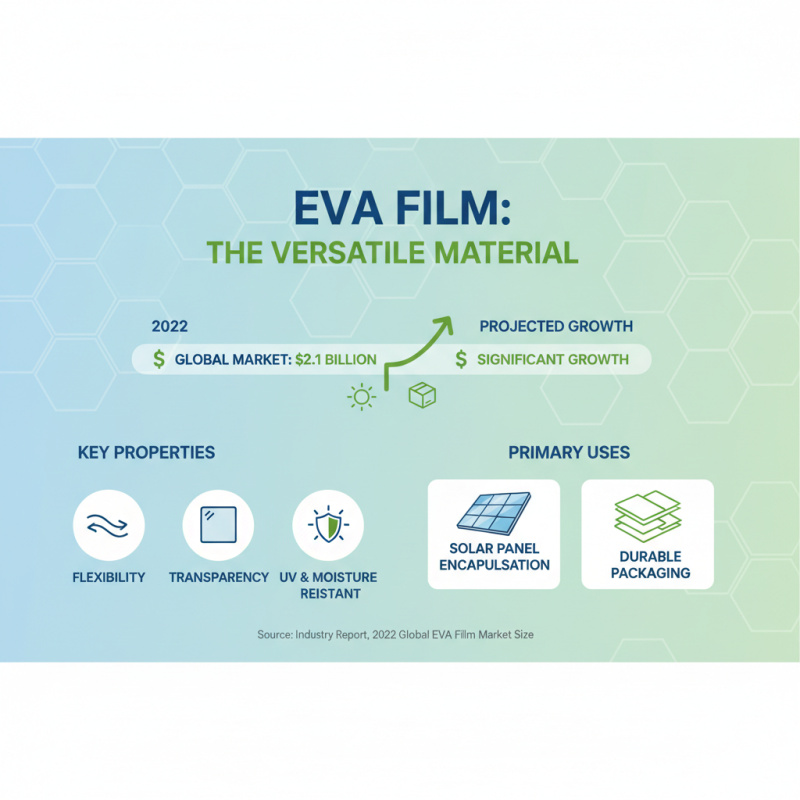
Eva film, short for ethylene-vinyl acetate film, is a versatile material widely used in various applications, particularly in the packaging and solar energy sectors. This thermoplastic resin is favored for its flexibility, transparency, and resistance to UV light and moisture, making it an ideal choice for protective coverings and laminates. According to a recent industry report, the global EVA film market size was valued at approximately $2.1 billion in 2022 and is projected to grow significantly, driven by the increasing demand for durable packaging solutions and solar panel encapsulation.
One of the key characteristics of Eva film is its excellent adhesive properties, which enable it to bond well with diverse substrates. This property is particularly leveraged in industries that require high-performance barriers and seals. Additionally, Eva film's ability to maintain clarity and enhance the aesthetic appeal of products makes it a popular choice for retail packaging. It is essential to understand the significance of these characteristics when selecting materials for specific applications.
When working with Eva film, consider the following tips: First, assess the environmental conditions your product will face, as the film's UV resistance is crucial for outdoor applications. Second, choose the appropriate thickness depending on the protective needs—thicker films generally provide better durability and impact resistance. Lastly, ensure compatibility with other materials in your design to maximize adhesion and performance. By understanding these factors, businesses can effectively utilize Eva film in a variety of innovative applications today.
Historical Development of Eva Film Technology
The historical development of Eva Film Technology can be traced back to the late 20th century, when researchers began to explore materials that could combine flexibility and durability. Ethylene-vinyl acetate (EVA) quickly rose to prominence due to its unique properties, including excellent adhesive capabilities and resistance to environmental stress. Initially used in packaging and insulation applications, the film's versatility soon found its way into numerous industries, shaping its current place in modern technology.
To fully understand the applications of Eva film today, several essential tips can be considered. First, grasp the fundamentals of its chemical structure. Understanding the ethylene and vinyl acetate proportions can help predict the film's behavior under different conditions. Second, explore various applications from automotive industries to sports equipment, where the film’s lightweight and waterproof characteristics are invaluable. Recognizing these applications will highlight how Eva film has evolved beyond mere material, becoming integral in product design and functionality.
As the technology developed, so did the methods of manufacturing Eva film. Advances in extrusion and lamination techniques have significantly improved the film's qualities, making it easier to incorporate into modern products. The continuous pursuit of innovation ensures that Eva film remains at the forefront of material technology, catering to diverse needs across multiple sectors, while providing opportunities for growth and diversification in its applications.
Key Applications of Eva Film in Packaging and Manufacturing
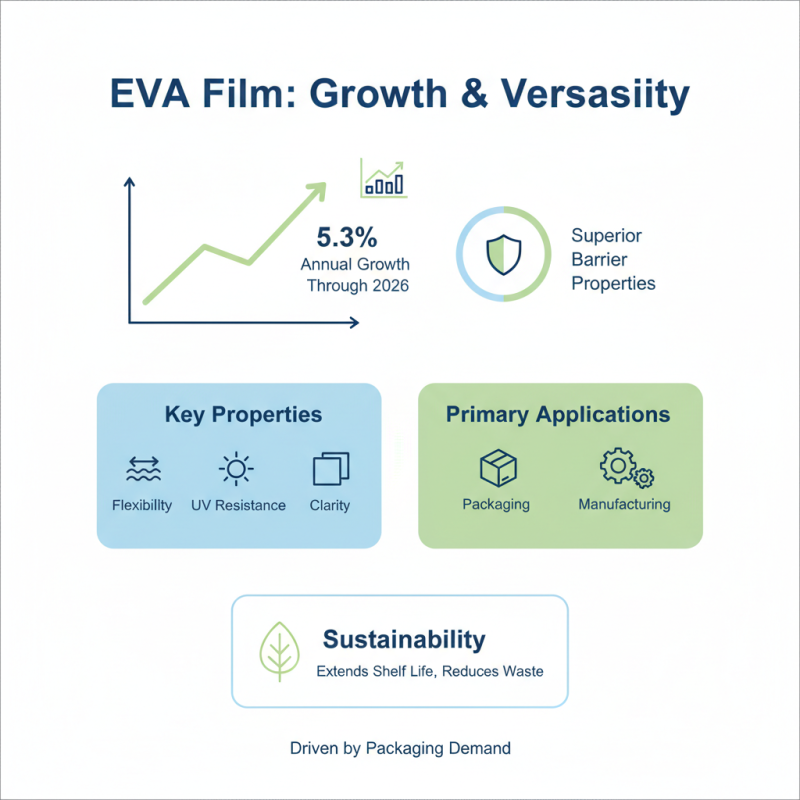
EVA (ethylene-vinyl acetate) film has gained significant traction in both packaging and manufacturing due to its versatility and superior barrier properties. According to a report by the Freedonia Group, the demand for EVA films is projected to grow at an annual rate of 5.3% through 2026, primarily driven by the increasing utilization in packaging applications. Its inherent flexibility, clarity, and resistance to UV light make it an ideal choice for packaging sensitive products, ranging from perishables to electronics. Industries are increasingly adopting EVA films to enhance product sustainability, as they offer excellent sealing properties that extend shelf life and reduce food waste.
In manufacturing, EVA film is becoming a preferred material in various applications, particularly in automotive, building, and construction sectors. The Global Market Insights report indicates that the automotive segment is expected to dominate the EVA film market, accounting for over 30% of the total consumption by 2025. This is attributed to EVA's lightweight nature and outstanding impact resistance, which contribute to improved fuel efficiency while maintaining safety standards. As manufacturers continue to prioritize eco-friendly materials, the demand for EVA films, which can be produced using recycled content, is poised for substantial growth, making it a key player in the shift towards sustainable practices in manufacturing.
Advantages of Using Eva Film in Various Industries
Eva film, or ethylene-vinyl acetate film, has emerged as a versatile material with numerous applications across various industries. One of its primary advantages lies in its excellent flexibility and durability, making it ideal for products that require both strength and resilience. For instance, in the construction industry, EVA film is commonly used as a waterproofing layer, providing reliable protection against moisture and weather conditions. This property is crucial for enhancing the longevity of buildings and structures.
Moreover, Eva film's ability to conform to intricate shapes makes it particularly valuable in the packaging industry. Its transparent nature allows for eye-catching designs that can attract consumers while effectively safeguarding the contents of the package. Additionally, its lightweight characteristic reduces shipping costs and makes it easier to handle.
To better understand the benefits of Eva film, consider these tips:
1. Look for projects that can leverage its durability, such as crafting protective gear in sports or healthcare sectors.
2. Explore creative uses in custom packaging solutions, where the film can enhance product visibility and appeal.
3. Consider environmental factors, as EVA can be recycled, aligning with sustainability goals in product development.
These insights demonstrate the growing importance of Eva film in modern applications, highlighting its role as a pivotal component across various fields.
10 Essential Tips for Understanding Eva Film and Its Applications Today - Advantages of Using Eva Film in Various Industries
| Industry | Application | Advantages |
| Construction | Roofing and Insulation | Durability and weather resistance |
| Automotive | Windows and Windshields | Lightweight and energy efficiency |
| Electronics | Solar Panels | Enhanced performance and flexibility |
| Packaging | Protective Films | Tear resistance and transparency |
| Bioscience | Medical Devices | Biocompatibility and safety |
Challenges and Limitations of Eva Film Usage
The use of Eva film in various applications has grown significantly due to its versatility and beneficial properties. However, there are notable challenges and limitations that users must navigate when employing this material. One major challenge is its susceptibility to environmental conditions. Eva film can degrade when exposed to high temperatures or prolonged UV radiation, leading to reduced effectiveness in outdoor applications. This limitation necessitates the need for protective measures or coatings, which can increase overall project costs and complicate the installation process.
Another important consideration is the film's compatibility with other materials. While Eva film can offer high flexibility and clarity, it may not bond effectively with all substrates or adhesives, which can restrict its use in certain contexts. In addition, the manufacturing process of Eva film can sometimes lead to inconsistencies in quality, affecting performance and reliability. These challenges highlight the necessity for thorough testing and selection processes, ensuring that the application of Eva film meets the desired durability and effectiveness standards. Careful planning and research are essential to mitigate these limitations and maximize the film's potential in various industries.
Challenges and Limitations of EVA Film Usage
Current Trends in Eva Film Innovation and Sustainability
The evolution of EVA (ethylene-vinyl acetate) film has notably aligned with the growing emphasis on sustainability and innovation in various industries. Recent data from the Global EVA Film Market Analysis asserts that the market is expected to reach approximately USD 5.65 billion by 2025, growing at a CAGR of 6.9% from 2020. This growth can be attributed largely to increasing environmental awareness and the demand for eco-friendly materials. EVA film is increasingly being adopted in packaging, agriculture, and solar panel encapsulation due to its lightweight properties and excellent transparency, making it a preferred choice for companies focused on reducing their carbon footprint.
Current trends in EVA film innovation also reflect a shift towards bio-based materials and production processes that minimize environmental impact. Reports from leading industry research organizations indicate that the development of biodegradable EVA films is on the rise, with manufacturers investing in R&D to enhance the material's performance while maintaining its sustainability credentials. As a result, applications in green packaging and renewable energy technologies are garnering significant attention. For instance, the incorporation of recycled content in EVA Film Production not only contributes to waste reduction but also meets consumer demand for sustainable product options. This commitment to sustainability is not only a response to regulatory pressures but also a strategic move to capture a growing segment of environmentally conscious consumers.
Future Prospects: The Evolution of Eva Film in Modern Applications
With the expanding landscape of materials science, EVA (Ethylene Vinyl Acetate) film has witnessed significant enhancements in its applications. One of the promising prospects for EVA film is its use in solar energy solutions. According to a report by Grand View Research, the global solar market is expected to reach $223.3 billion by 2026, with EVA film being a critical component in solar panel lamination. Its characteristics, such as durability and UV resistance, make it ideal for protecting solar cells, driving substantial demand within the renewable energy sector.
Additionally, EVA film is finding innovative applications in sectors like packaging and automotive manufacturing. The versatility of EVA film allows it to be utilized in creating eco-friendly packaging solutions, which align with the growing consumer demand for sustainability. Insights from Smithers Pira emphasize that the sustainable packaging market could be worth $440 billion by 2027, highlighting the urgency for industries to adopt greener materials like EVA.
To effectively harness the benefits of EVA film, consider the following tips: first, assess the specific requirements of your application to select the right thickness and formulation. Second, ensure proper adhesion techniques to maximize performance and longevity in both packaging and building materials. Understanding these nuances will position businesses to better leverage EVA film's capabilities within evolving markets.
Innovative Advances in PVC Films for Medical Applications: Insights from the Urine Bag Manufacturing Industry
The recent advancements in PVC films, particularly in the medical applications sector, show a promising evolution in manufacturing processes and product safety. Specifically, in the urine bag manufacturing industry, these innovations have led to the development of PVC films that are not only suitable for high-quality printing but also adhere to stringent safety protocols. Industry reports indicate that the global market for medical-grade PVC is expected to grow at a CAGR of 5% from 2021 to 2026, driven by the increasing demand for safe and effective medical products.
One of the key attributes of new PVC film formulations is their low toxicity. Manufacturers are increasingly adopting formulas that minimize the presence of harmful substances such as lead and cadmium. According to a report by the International Journal of Toxicology, exposure to these metals can pose significant health risks, particularly in products that come into direct contact with patients. The shift towards low-toxicity materials not only ensures better safety for end-users but also aligns with industry regulations focused on reducing hazardous materials in medical products.
Moreover, the versatility of PVC films has led to the customization of specifications to meet diverse medical needs. With the ability to be printed on, these films can be tailored to incorporate essential product information and branding directly onto the urine bags, enhancing usability for both healthcare providers and patients. As the healthcare landscape continues to evolve, the adoption of these innovative PVC films presents an exciting opportunity for enhancing patient care through improved medical device safety and functionality.
FAQS
film and what are its key characteristics?
EVA film is widely used in packaging and solar energy sectors, primarily for its durable packaging solutions and in the encapsulation of solar panels.
The thickness of EVA film is crucial in determining its protective capabilities. Thicker films generally provide enhanced durability and impact resistance, making them suitable for applications that require higher levels of protection.
When using EVA film outdoors, it is essential to assess environmental conditions such as exposure to UV light. The film's UV resistance is a key characteristic that helps protect products from degradation.
Recent trends in EVA film innovation include a focus on sustainability, with increasing adoption of bio-based materials, biodegradable films, and the incorporation of recycled content to reduce environmental impact.
The demand for EVA film in sustainable packaging is rising due to its eco-friendly properties, excellent sealing abilities that extend product shelf life, and its role in reducing food waste and carbon footprint.
In the automotive industry, EVA film is valued for its lightweight nature and impact resistance, which enhance fuel efficiency and safety, making it a popular choice for manufacturers aiming for sustainable production.
The EVA film market is projected to grow at an annual rate of approximately 5.3% through 2026, driven by increasing demand in packaging applications and sustainable practices in manufacturing.
Manufacturers are increasingly prioritizing eco-friendly materials, such as EVA films produced with recycled content, as part of their strategies to meet regulatory pressures and consumer demand for sustainability.
Regulatory pressures are driving the EVA film industry towards more sustainable practices, with a focus on developing innovative products that not only adhere to environmental standards but also appeal to environmentally conscious consumers.
Conclusion
Eva Film, a versatile material characterized by its excellent adhesive properties and flexibility, has evolved significantly since its inception. Initially developed for its durability and thermal stability, Eva Film technology has found widespread applications in packaging and manufacturing, making it essential in various industries. Its advantages include superior moisture resistance, lightweight design, and ease of processing, which contribute to its popularity in creating protective packaging, laminates, and more.
Despite its benefits, the usage of Eva Film is not without challenges, including issues of cost and recyclability. However, current trends emphasize innovations focused on sustainability and reducing environmental impact. As industries continue to explore advanced formulations and eco-friendly alternatives, the future of Eva Film is poised for growth, becoming increasingly integrated into modern applications that prioritize efficiency and environmental responsibility.