Picking the right PVC compound isn't just a random choice – it’s pretty crucial, especially since different industries have their own specific needs. The material you go with can really affect how durable, flexible, and well-performing your final product turns out to be. Sometimes, what works perfectly in one scenario might totally flop in another, so it's a bit of a balancing act.
When you're choosing a Pvc Compound, think about where you'll be using it. For outdoor stuff, for example, you’ll want something that can handle UV rays and moisture without breaking a sweat. Honestly, understanding your actual needs can make the whole selection process a lot easier and less of a headache.
And hey, don’t forget to chat with the pros! Companies like General Plastics have tons of industry experience and can really help you figure out what’s best. Make sure to check the specs carefully and test out some samples before you commit to a big order. A small mistake here can sometimes cost you more than you’d think later on. At the end of the day, the goal is to find a PVC compound that really fits your particular situation and project.
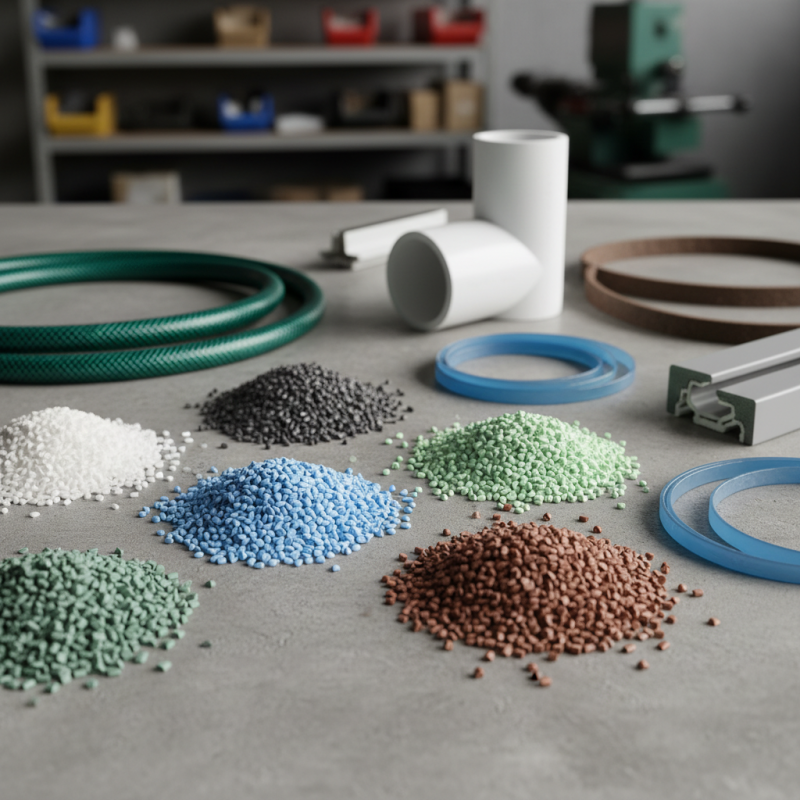
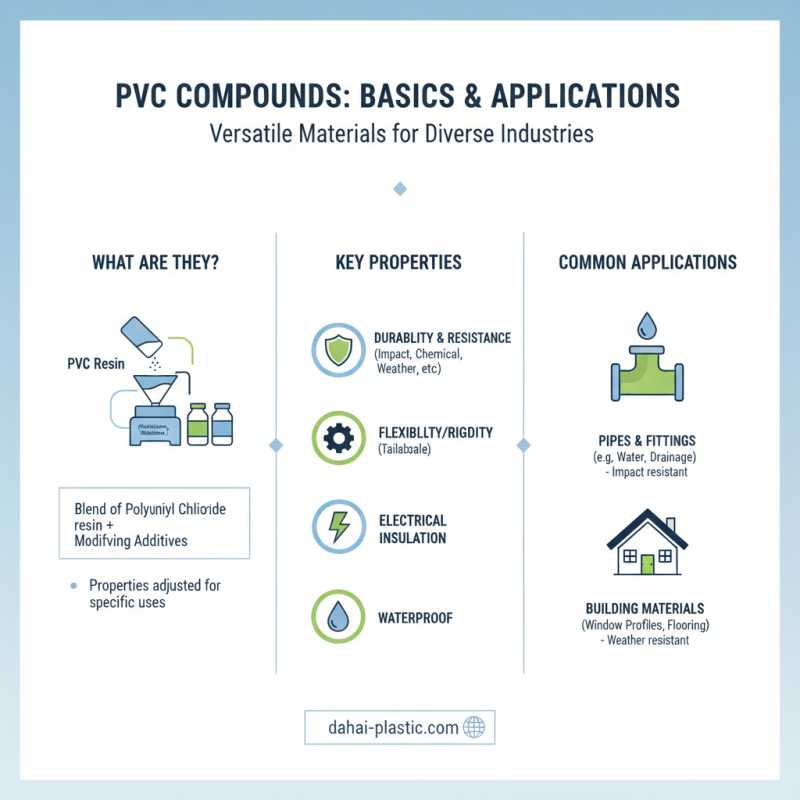
PVC compounds are versatile materials widely used across various industries. Understanding these compounds is essential for selecting the right type for your application. They are processed from polyvinyl chloride resin and can include various additives to enhance performance. For example, a Pvc Compound For Pipes must resist impact and withstand different environmental conditions.
When considering a PVC compound for pipes, think about the specific requirements of your project. Factors such as flexibility, chemical resistance, and durability play a crucial role. Not every compound is suitable for every application. It's common to overlook how different formulations can affect piping systems’ longevity. Ensure you evaluate the specific needs, including temperature and pressure requirements, to avoid potential failures.
Exploration of these details can reveal unexpected weaknesses in a chosen compound. Some compounds may perform well in initial testing but fail under long-term stress. Engaging with experts in material science can provide insights and guidance. Their experience can help address concerns and refine your choices. Being thorough in your research is vital for a successful project.
Understanding the key properties of PVC compounds is essential for effective material selection. Different applications require distinct characteristics. For example, flexibility is vital for plumbing systems. A Pvc Pipe Compound must resist impact while remaining pliable. On the other hand, rigid compounds are better for structural applications.
When considering chemical resistance, the environment will dictate the necessary formulation. Exposure to certain substances may degrade some compounds. Knowing these interactions is crucial to ensure longevity and performance. Manufacturers often test for these qualities, but users must verify compatibility with their specific use cases.
Color stability can also be significant. Some applications, like exterior signage, demand UV resistance to prevent fading. Not all PVC compounds meet this standard. Users often overlook this element, impacting the material's lifespan. Thus, research and careful choice are essential. Selecting the right Pvc Pipe Compound can help avoid significant issues down the line.
Choosing the right PVC compound begins with understanding the role of additives. These substances enhance the base material's properties. They can improve durability, flexibility, and resistance to environmental factors. For instance, plasticizers makE Pvc softer and more pliable. This can be crucial for applications likeflooring or soft tubing.
Evaluating additives goes beyond aesthetics. It involves assessing how they impact performance. Some additives may introduce risks like leaching or degradation under certain conditions. For example, certain stabilizers can break down when exposed to heat. This can lead to reduced lifespan and potential safety concerns. It's essential to consider the end-use of the product when selecting the right formulation.
Understanding the implications of these choices is vital. Not all additives are suitable for every application. Research and consultations can guide decisions, but feel free to explore. Testing small batches helps uncover unexpected issues. The right balance of additives can make a significant difference in performance and longevity.
When selecting between rigid and flexible PVC, it’s crucial to consider the specific demands of your project. Rigid PVC is known for its durability and strength. It is commonly used in construction, plumbing, and electrical applications. This type can withstand high pressures and is less prone to UV degradation.
On the other hand, flexible PVC offers versatility. It’s often used in products that require bending, such as hoses and electrical cables. However, flexible PVC may not provide the same structural support as its rigid counterpart. Depending on your application, choosing flexible PVC might come with risks, like wear and tear over time or exposure to chemicals.
Assessing your project’s requirements is essential. Think about factors like temperature variations, exposure to sunlight, and mechanical stress. While rigid PVC might be strong, flexible PVC might suit areas requiring movement. It’s important to weigh these pros and cons. Sometimes, the perfect choice isn't immediately clear. Reflect on your project needs and how each type of PVC could enhance or hinder your outcomes.
When selecting the right PVC compound, understanding industry standards is essential. The ASTM and ISO certifications are frameworks that guide the quality and safety of materials. They provide benchmarks for performance, ensuring that products meet specific requirements. Compliance with these standards can enhance a product's reliability.
ASTM certification focuses on detailed tests and specifications. It ensures the PVC compounds can withstand various environmental conditions. Meanwhile, ISO certification emphasizes consistent quality management. This focus can improve manufacturing processes and customer satisfaction. Both certifications promote trust among manufacturers and end-users.
However, navigating these standards can be complex. Not all manufacturers fully understand the implications. Some claim compliance but fail to meet the requirements. It’s essential to verify the certifications. Quality isn't just about meeting standards; it’s also about understanding their impact on your specific needs. Making informed decisions will lead to better outcomes in your projects.
Choosing the right PVC compound involves considering cost factors that can significantly impact your production. One key aspect is the raw material price. Quality PVC tends to be pricier but offers better performance. Consider how this affects your budget. A cheaper option may save money short-term but might not hold up in the long run.
Another factor is processing costs. Different Pvc Joint Compounds require various processing temperatures and times. This can influence your energy bills and labor costs. It's essential to analyze how these will fit into your overall expenses. Remember, slower processing may lead to higher production costs despite lower material fees.
Tips: Focus on the application's requirements. If durability is key, investing in a higher-quality compound is advisable. Additionally, think about supply chain reliability. A cheaper compound may be sourced easily, but a reliable supplier ensures your production remains uninterrupted. Always gather quotes and compare them against the performance you need. Balancing cost and quality is vital for efficient production.
The landscape of PVC compounding is evolving, driven by sustainability initiatives and technological advances. Reports indicate that the demand for environmentally friendly materials is surging. By 2025, the global market for sustainable PVC compounds is expected to reach $2 billion, reflecting a comprehensive shift towards eco-consciousness. Companies are rethinking Rigid Pvc Compounds, shifting to bio-based feedstocks and recycled materials. This helps reduce carbon footprints while enhancing performance characteristics.
When selecting the right PVC compound, consider sustainability aspects. Look for suppliers who prioritize eco-friendly practices. Evaluate how materials are sourced and processed. This not only impacts the environment but also the long-term viability of projects. Choosing a Rigid PVC Compound that meets these criteria can enhance reputation and compliance in the marketplace.
Technological advances are also shaping PVC compounding. Innovations in additive formulations lead to improved durability and flexibility. Research shows that compounds utilizing new technologies exhibit 20% better UV resistance than traditional formulations. This could lead to cost savings in long-term applications. Look for developments in processing techniques, as they can yield enhanced product performance.
Engage with experts in the field to stay informed. Networking can provide insights into recent advancements and best practices. Online webinars and workshops are excellent resources to explore trends and make informed decisions.
: Rigid PVC is strong and durable. Flexible PVC is versatile but offers less structural support.
Rigid PVC is ideal for construction and plumbing. It withstands high pressures and resists UV degradation.
Flexible PVC can face wear and tear over time. Chemical exposure may also affect its performance.
Consider temperature variations, sunlight exposure, and mechanical stress. Evaluate project needs carefully.
The demand for eco-friendly materials is rising. Companies focus on bio-based feedstocks and recycled materials.
Innovations lead to better durability and flexibility. Some compounds show 20% better UV resistance now.
Sustainability affects environmental impact and long-term project viability. It also enhances market reputation.
Engage with experts, attend workshops, and participate in online webinars. Networking provides valuable insights.
It may be risky due to UV exposure and potential degradation. Assess its suitability before use.
Sometimes, the decision isn't obvious. Reflect on all factors to find the best solution for your project.
Choosing the right PVC compound for your needs requires a comprehensive understanding of its basics and applications. PVC compounds are versatile materials that can be tailored for various uses, making it essential to identify their key properties. Factors such as rigidity or flexibility play a crucial role in determining the suitability of a PVC compound for specific projects. Additionally, evaluating additives is vital, as they can enhance or modify the compound's performance.
Industry standards like ASTM and ISO certifications help ensure quality and safety in production, so it's important to consider these when selecting your PVC compound. Furthermore, understanding cost factors and the implications of sustainability and technological advances can guide you toward a more informed decision. As the market evolves, staying updated on future trends is essential for selecting the appropriate PVC compound that meets both current and future demands.