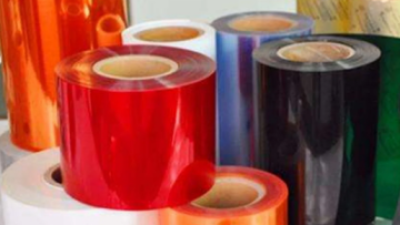
Choosing an Eco Friendly Pvc Rigid Sheet isn’t just about chasing the greenest label out there. You’ve got to dig a bit deeper — check real-world details, ask your supplier for solid evidence, and really understand how your product will hold up over time.
When you're working on packaging or display projects, those tiny details can make or break everything. Sometimes, a sheet might look super bright and clean, but during cutting, it ends up creating a lot of waste. So, don’t hesitate to ask about thickness tolerance, recycled content, safety info, and disposal guidelines. It’s also a good idea to see a physical sample. Bend it, print on it, check the surface after machining — real-world testing often reveals issues that brochures never show.
Brigitte Dero, the General Manager of VinylPlus, once said, “Sustainability is a journey, not a destination.” That’s a great mindset when comparing different Pvc Rigid Sheet suppliers. A responsible manufacturer should be open about where their materials come from, how they manage energy, what recycling options they offer, and how they control their production process. Certifications like ISO 14001 help, but don’t rely on them alone — dig a little deeper with direct questions.
Look for suppliers who provide batch records and clear technical data. Recycled content can sometimes influence the whiteness, stiffness, or impact resistance of the sheets — and that’s something you shouldn’t ignore. Sometimes, you need to weigh those trade-offs.
Honestly, no sheet is perfect. You also want to think about transportation distances, waste during cutting, how long the product will last in use, and what happens at the end of its life. For example, a thinner eco-friendly sheet might save on material, but if it fails in the field, you wind up with more waste. On the flip side, a thicker version could last longer but might cost more to ship.
The key is balancing environmental credentials with reliable performance. Get a few samples, test them under the same conditions, take notes, and then reconsider your assumptions before you commit to a long-term supply deal.

Understanding Eco-Friendly PVC Rigid Sheets and Their Key Properties
Eco-friendly PVC rigid sheets balance durability with more responsible material choices. Look for recycled PVC content, recyclable construction, and clear production records. A reliable supplier should provide technical data, safety information, and lifecycle details. Do not trust the word “green” alone. Ask how the sheet was produced and handled after use.
Key properties include thickness, impact resistance, surface finish, and dimensional stability. These features affect cutting, printing, folding, and outdoor performance. Low-emission formulations can support cleaner indoor applications, but ventilation still matters during processing. I once assumed a thicker sheet was always better. It was not. The wrong thickness created unnecessary waste and increased shipping weight. Eco Friendly Plastic Sheet Rolls may suit continuous projects, while rigid sheets work better for panels and formed displays.
Tips: Compare samples before ordering. Check color consistency under different lighting. Request recycled-content evidence and end-of-life guidance. Measure your cutting waste, not just the purchase price. A durable sheet can reduce replacements, but recycling access varies by location. That detail deserves honest attention. Also review fire behavior, moisture resistance, and expected service temperature for your application. Test small batches first. Practical testing often reveals weaknesses that specifications miss.
Understanding density and thickness helps estimate material weight, transport impact, and structural suitability. The chart uses a typical PVC-U rigid-sheet density range of 1.35–1.45 g/cm³. Mass per square metre is calculated as density × thickness.
Selection note: Lower-density sheets reduce weight, while greater thickness generally improves rigidity. Before purchasing, also verify recycled content, recyclability, chemical resistance, water absorption, fire performance, and compliance with the requirements of your application.
Choosing an eco-friendly PVC rigid sheet starts with the job, not the word “eco.” A retail sign may need UV stability and clean printing. A machine guard needs impact strength, stiffness, and safe edges. A chemical lining needs resistance to oils, acids, or cleaning agents. Write these conditions down before comparing suppliers.
The OECD Global Plastics Outlook (2022) estimated 353 million tonnes of plastic waste in 2019, while only 9% was recycled. This makes recycled content valuable, but it should not replace performance testing. Ask for the percentage, source, and verification of recycled material. Request technical data for tensile strength, impact resistance, water absorption, operating temperature, and chemical compatibility. ASTM D1784 classifications can help compare rigid Pvc Compounds. For outdoor use, ask for accelerated weathering results, not vague claims about durability.
Tips: Test a sample in the real environment. Leave it near sunlight, cleaning chemicals, or vibration for several days. Check warping, color change, cracking, and surface marks. Measure the actual thickness. It may differ slightly from the sales sheet. Also confirm fire behavior, food-contact suitability, or hygiene requirements when relevant. Keep batch records and installation notes; they make later decisions more reliable.
A longer service life can reduce replacement waste. Still, a sheet that cannot be recycled locally may create another problem. Ask the supplier about take-back routes and local processing capacity. Perfect choices are rare. Your application decides the compromise.
Choosing Eco Friendly Pvc Material starts with checking its recycled content, not trusting a green label. Ask whether the content is post-consumer or pre-consumer material. Post-consumer content usually comes from used products collected after disposal. Pre-consumer content may come from factory scrap. Both can reduce waste, but they show different environmental benefits. Request a percentage, test report, and calculation method from the supplier. Numbers matter. A sheet containing 30% recycled PVC should have evidence supporting that claim.
Recyclability requires practical questions. Can local recyclers accept rigid PVC sheets? Are adhesives, inks, or metal fittings attached to the sheet? These additions may complicate sorting and processing. A recyclable product may still reach landfill when collection systems are weak. Check the sheet’s material code and ask for clear end-of-life guidance. Read the fine print. Avoid treating recyclability as an automatic guarantee.
Environmental certifications can strengthen supplier claims when their scope is clear. ISO 14021 supports documented self-declared environmental claims, while ISO 14024 relates to third-party ecolabel programs. Certification does not prove that every sheet is equally sustainable. Verify the certified product, production site, and certificate validity. During purchasing reviews, compare recycled content, expected service life, and local recovery options together. A durable sheet may prevent replacement waste, even with modest recycled content. Perfect choices are rare. That deserves honest reflection.
Choosing Eco Friendly Pvc rigid sheets starts with the application, not the label. In fabrication checks, thickness often decides performance. A 0.5-millimetre sheet suits light signage, while 2–5 millimetres supports panels, guards, and formed parts. Thicker sheets resist bending, but they increase material use and shipping weight. Measure the finished panel carefully. Standard sheet sizes can reduce cutting waste.
Finish also affects service life. A matte surface hides fingerprints and minor scratches near busy workstations. A smooth finish cleans faster around dust or moisture. For outdoor use, request documented UV and impact testing. The European PVC industry’s 2023 recycling progress report recorded 810,775 tonnes recycled in 2022. That figure supports circular sourcing, but it does not prove every sheet contains recycled content.
Ask for recycled-content percentages, product declarations, and batch traceability. ISO 14025-based environmental declarations can help compare manufacturing impacts, although they require careful boundary checks. Fabrication options include sawing, drilling, CNC routing, bending, and thermal forming. Specify tool settings before production. Poor heat control can leave cloudy edges or distorted holes. It happens.
I would also review offcut recovery with the supplier. A sheet may be technically recyclable, yet contaminated scraps can be rejected. That uncomfortable detail matters. Select the smallest practical thickness, confirm the usable cut size, and test one finished sample before ordering a full batch.
| Evaluation Dimension | Typical Specification | Recommended Business Use | Eco-Friendly Considerations | Fabrication and Handling Notes |
|---|---|---|---|---|
| Sheet Thickness | 0.5–1.0 mm | Indoor posters, temporary signs, protective liners, and lightweight displays | Uses less material and reduces shipping weight when the application does not require structural rigidity. | Can usually be cut with a sharp knife or guillotine-style cutter. Support may be required for large panels. |
| Sheet Thickness | 1.5–2.0 mm | Retail displays, menu boards, aisle signs, and general-purpose panels | A practical balance between durability, material use, and transport weight for many indoor applications. | Suitable for sawing, drilling, routing, die-cutting, printing, and adhesive mounting. |
| Sheet Thickness | 3.0–5.0 mm | Rigid signs, machine guards, wall cladding, partitions, and reusable display structures | Longer service life can reduce replacement frequency, but the higher material volume increases weight and embodied material use. | Best processed with a circular saw, panel saw, router, or CNC equipment. Allow for screw clearance and edge support. |
| Sheet Thickness | 6.0–10.0 mm | Heavy-duty panels, fabricated enclosures, workshop partitions, and construction-related interiors | Choose this range only when the added stiffness or impact resistance is necessary; avoid over-specification. | Pre-drilling is recommended. Use carbide-tipped tools and control cutting heat to minimize edge deformation. |
| Standard Sheet Size | 1,220 × 2,440 mm | Suitable for common sign-making, display, and interior panel layouts | Efficient nesting can reduce offcuts. Plan the cutting layout before purchasing full sheets. | Can be transported on pallets or stored horizontally on a level, supported surface. |
| Large Sheet Size | 1,220 × 3,050 mm | Large-format wall panels, long signs, and applications requiring fewer joints | Fewer seams may extend service life and improve appearance, but handling and transport require more resources. | Use two-person handling or suitable lifting equipment. Check door, vehicle, and storage dimensions in advance. |
| Custom Sheet Size | Cut-to-size panels based on project drawings | Projects with repeated panel dimensions or limited installation space | Pre-cutting can reduce on-site waste and improve material yield when the cutting plan is optimized. | Confirm dimensional tolerances, edge condition, quantity, and packaging requirements before production. |
| Surface Finish | Glossy, smooth surface | High-contrast graphics, decorative panels, and applications requiring easy wipe-clean maintenance | Cleaning without aggressive chemicals can help extend service life and reduce surface damage. | Provides strong color appearance but may show fingerprints, glare, and fine scratches more readily. |
| Surface Finish | Matte or low-glare surface | Office signs, information boards, exhibition graphics, and areas with strong lighting | Can improve readability and reduce the need for replacement caused by glare-related usability issues. | Generally more comfortable for viewing under artificial light. Confirm ink and adhesive compatibility. |
| Surface Finish | Textured or embossed surface | Decorative interiors, impact-hiding panels, and applications where a less reflective appearance is preferred | May help conceal minor handling marks and maintain an acceptable appearance for longer. | Surface texture can affect printing sharpness, bonding area, cleaning, and routing quality. |
| Color Selection | White, light gray, dark gray, black, and custom colors | Signage, partitions, fabricated boxes, displays, and interior panels | Choosing a standard color can reduce special-order waste and simplify future replacement matching. | Dark colors may absorb more solar heat. For outdoor use, verify weathering and UV-resistance requirements. |
| Printing Compatibility | Screen printing, digital flatbed printing, or applied graphics | Brand-neutral signs, retail graphics, instructional panels, and displays | Durable graphics can extend the useful life of a panel. Select inks and coatings with appropriate environmental documentation. | Clean and dry the surface before printing. Conduct adhesion and color tests on the selected finish. |
| Cutting | Sawing, routing, guillotine cutting, or CNC cutting | Panels requiring straight cuts, shaped profiles, slots, or repeated production parts | Computer-controlled nesting can reduce offcuts and improve material utilization. | Use sharp tools, appropriate feed rates, and dust extraction. Avoid excessive heat during machining. |
| Drilling and Fastening | Mechanical fasteners, screws, rivets, or threaded inserts | Removable signs, enclosures, partitions, and serviceable assemblies | Mechanical fastening can support disassembly and component replacement at the end of service life. | Leave clearance around holes to accommodate thermal movement. Avoid over-tightening, especially near edges. |
| Forming and Bending | Cold bending for thin sheets; controlled heat forming for selected rigid PVC grades | Channels, covers, shallow trays, protective guards, and three-dimensional parts | Forming can reduce the number of separate components and associated joining materials. | Confirm the sheet grade and forming limits. Excessive heat can cause discoloration, warping, or surface damage. |
| Joining Method | Adhesive bonding, solvent welding, or mechanical assembly | Boxes, housings, fabricated signs, and multi-panel structures | Design for disassembly where possible. Select low-emission joining products with suitable safety documentation. | Check chemical compatibility, curing time, joint strength, ventilation, and the intended service temperature. |
| Recycled Content | Verify the declared percentage of pre-consumer or post-consumer recycled PVC | Projects with documented recycled-content targets or sustainability reporting requirements | Request a written declaration and confirm whether recycled content affects color, surface quality, or processing performance. | Use recycled-content sheets only when the required mechanical, appearance, and fabrication performance is maintained. |
| Recyclability at End of Life | Prefer clearly identified, single-material PVC sheets without unnecessary bonded layers | Reusable signs, removable panels, and products designed for material recovery | Remove adhesives, mixed-material components, and contamination where practical before recycling. | Confirm local collection and recycling capabilities because acceptance criteria vary by location. |
| Outdoor Exposure | Use only grades specified for the required UV, moisture, and temperature conditions | Exterior signs, covered outdoor displays, and temporary outdoor structures | Longer outdoor service life can reduce replacement waste, but environmental claims should be supported by test data. | Ask for weathering information, dimensional stability data, and recommended mounting details before approval. |
| Quality and Compliance Checks | Confirm thickness tolerance, density, color consistency, surface quality, and safety documentation | Commercial procurement, repeat production, and regulated project environments | Consistent quality reduces rejected parts, rework, and unnecessary material consumption. | Request technical data sheets, safety data sheets, inspection records, and sample panels where appropriate. |
| Recommended Selection Approach | Choose the lowest thickness and smallest format that safely meet structural, visual, and service-life requirements | Any business purchasing rigid PVC sheets for signs, displays, interiors, or fabricated components | Avoiding over-specification is one of the simplest ways to reduce material use, transport impact, and cost. | Validate the choice with a prototype or sample cut before placing a large production order. |
Selecting eco-friendly rigid PVC sheets requires more than a recycled-content claim. Check thickness tolerance, surface uniformity, impact strength, and heat resistance through independent test reports. Request production samples from different batches. Small variations can affect cutting, printing, and assembly.
The 2024 European PVC industry progress report recorded 810,775 tonnes of PVC recycled in Europe during 2023. However, this figure is regional and does not prove every supplier performs equally. Ask for a product-specific recycled-content declaration, material composition, and evidence of controlled additives. For Eco Friendly Pvc Films and rigid sheets, compliance documents should address REACH, RoHS, and applicable local requirements. A current ISO 14001 certificate helps, but it does not replace product testing. Ask for evidence.
Environmental transparency should include energy use, greenhouse-gas emissions, water consumption, waste handling, and transport boundaries. An independently verified environmental product declaration, prepared under ISO 14025, offers stronger comparison than vague sustainability language. Check whether calculations cover the factory only or the full product life cycle. That distinction matters. Recycled content may reduce virgin material demand, yet unclear additives, long-distance shipping, or poor end-of-life options can weaken the benefit. Supplier reviews are never perfect. Recheck certificates, test dates, and batch traceability before signing a long-term contract.
When I compare PVC rigid sheets, I calculate more than the purchase price. A cheaper sheet may require frequent replacement, increasing labor, transport, and installation costs. Estimate the usable area, not just the sheet size. Record cutting losses from each project. Small offcuts become expensive over time.
Product lifespan depends on thickness, surface protection, temperature, moisture, and handling. Ask suppliers for test reports, recycled-content evidence, and expected service conditions. Check whether the sheet keeps its shape and color in your workplace. I once selected a low-cost material that warped near warm equipment. The replacement cost exceeded the original savings. My first estimate was too optimistic.
Disposal also affects total cost. Separate clean PVC offcuts from adhesives, paint, and mixed materials whenever possible. Clean, identifiable waste is usually easier to send for recycling. Confirm local collection options before purchasing large volumes. Some suppliers may provide take-back arrangements, but request the terms in writing. Include packaging, transport distance, and disposal fees in your calculation. A simple worksheet can compare purchase cost, installation labor, replacement frequency, and end-of-life handling. Use realistic figures from your own operations. Marketing claims alone are not enough. Ask clear questions. Recheck the assumptions annually, because disposal routes and energy costs can change.
Choosing the right transparent rigid PVC sheet starts with selecting a thickness suited to the job. Thinner sheets are easier to cut and handle, making them useful for lightweight covers, display panels, and craft projects. Thicker sheets offer greater rigidity and impact resistance for partitions, protective guards, and other applications that need a sturdier panel. Consider the sheet’s dimensions, support, and expected use before choosing, and check that the material can be processed with your intended tools.
Protective film helps keep the smooth surface free from scratches during transport, storage, and fabrication. Leave it in place while cutting or fitting the sheet, then peel it away when installation is complete. Our transparent rigid PVC sheets are made in China by experienced suppliers using a modern factory process. UV stabilization, high hardness, and strength support dependable performance, while aging resistance and insulating properties make the sheets suitable for a range of indoor and outdoor projects. Their waterproof, non-deforming surface is practical for durable covers, signage, equipment enclosures, and general-purpose panels where clear visibility and reliable protection matter.
Look for recycled PVC content, recyclable construction, and documented production information. “Green” alone proves little. Ask for evidence.
Request the recycled percentage, test report, and calculation method. Confirm whether the material is post-consumer or pre-consumer. Numbers matter.
No. Local recycling access, adhesives, inks, and metal fittings can affect recovery. Check local acceptance before ordering large quantities.
Compare thickness, impact resistance, surface finish, moisture resistance, and dimensional stability. Also check service temperature and fire behavior.
Not necessarily. Extra thickness can increase waste, shipping weight, and cutting difficulty. I once chose thicker material and regretted it.
Request samples and test a small batch. Check cutting, folding, printing, color consistency, and shape retention near warm equipment.
Include purchase price, cutting waste, labor, transport, installation, replacements, packaging, and disposal fees. Small offcuts can become costly.
A durable sheet may reduce replacements and transport. However, durability depends on handling, moisture, temperature, and surface protection.
Keep clean PVC offcuts separate from paint, adhesives, and mixed materials. Ask local collectors about accepted formats and written guidance.
No. Check the certified product, production site, certificate validity, and certification scope. Perfect choices are rare. Recheck assumptions annually.
Choosing the right Eco Friendly Pvc Rigid Sheet requires more than selecting a material with a green label. Start by understanding its strength, rigidity, chemical resistance, surface quality, and suitability for applications such as signage, packaging, displays, construction, or industrial components. Define the required thickness, dimensions, finish, color, durability, and fabrication methods, including cutting, drilling, printing, bending, or bonding. These factors help ensure that the sheet performs reliably in real working conditions.
Environmental performance should also be evaluated carefully. Compare recycled content, recyclability, production practices, and relevant environmental certifications, while checking whether the supplier provides clear and verifiable compliance information. Consider quality consistency, technical support, delivery capability, and transparency throughout the supply chain. Finally, calculate total cost by including processing, maintenance, service life, replacement frequency, and end-of-life disposal. A slightly higher initial investment may offer better long-term value when the material lasts longer, reduces waste, and supports responsible resource use.