When you're picking out a Pvc Blood Bag, it’s really important to understand what you actually need. Dr. James Carter, who’s a big name in transfusion medicine at BloodSafe Inc., often says, "Getting the right blood bag can make a real difference in patient care." The market for PVC blood bags offers all kinds of options, each built for different purposes, so it can get pretty overwhelming pretty quickly.
You’ve got to consider things like the quality of the materials, how much volume the bag can hold, and whether it’s compatible with different blood types. PVC blood bags are popular because they’re strong and flexible — that much is true. But not all PVC blood bag materials are the same, and some might include additives that could potentially mess with the blood’s integrity.
Take a moment to think about what your specific needs are. What’s the environment where you’ll be using these bags? Will they need to be stored for a long time? Will they face temperature swings? While lots of options look great on paper, it’s really smart to consider any possible downsides or limitations. Spending a little extra time doing some research can honestly pay off and lead to better results in a medical setting.

Understanding the Importance of PVC Blood Bags in Medical Applications
Pvc Blood Bags play a critical role in modern medical applications. They are essential for blood storage and transfusion procedures. This material offers several advantages, including flexibility and durability. PVC is biocompatible, making it safe for blood and other biological fluids. Moreover, these bags can be sterilized, ensuring that they meet strict health standards.
When selecting a PVC blood bag, consider the specific needs of your facility. The capacity of the bag is vital. Smaller bags may be suitable for pediatric use, while larger ones are better for adults. Additionally, the design of the bag affects blood flow and storage. A good blood bag should minimize the risk of contamination. Evaluation of these features is important in ensuring patient safety.
It's also worth noting that not all PVC blood bags are the same. Some may have issues with leaching harmful substances over time. Understanding these factors ensures that medical professionals make informed decisions. A thorough assessment can lead to better outcomes in patient care. These considerations highlight the need for ongoing reflection and awareness in the use of PVC blood bags.
How to Choose the Best PVC Blood Bag for Your Needs?
| Feature | Description | Importance |
| Material Type | Medical gradE Pvc is commonly used for durability and flexibility. | Ensures safe storage and transportation of blood without contamination. |
| Volume Capacity | Ranges from 200 ml to 1000 ml depending on the intended use. | Allows for various blood collection protocols and patient needs. |
| Sterility | Must be gamma-sterilized to eliminate microorganisms. | Critical for preventing infections during blood transfusions. |
| Seal Type | Multiple options including adhesive and mechanical seals. | Affects the ease of use and security of the bag during handling. |
| Additives | Includes anti-coagulants and preservatives to prolong shelf life. | Essential for maintaining blood quality over time. |
Identifying Different Types of PVC Blood Bags Available on the Market
When choosing PVC blood bags, it’s crucial to understand the various types available on the market. Blood bags can vary significantly in design and function. Some are designed for whole blood collection, while others are optimized for specific components like red blood cells or plasma. This distinction is vital for ensuring proper storage and handling of blood products.
Another factor to consider is the capacity of the blood bags. They typically come in sizes ranging from 100 to 500 milliliters. Selecting the right capacity can impact the efficiency of blood collection processes. The material properties of PVC can also affect the shelf life and quality of the blood products. Some bags may be prone to leaching, which can introduce contaminants during storage.
It's worth noting that while PVC blood bags are widely used, they may not be suitable for every situation. For instance, some medical facilities might prefer alternatives due to concerns about plasticizers. Understanding the specific needs of your medical practice can guide your choice. Evaluating these factors is essential to optimize blood handling processes and enhance patient care.
Evaluating Quality Standards and Certifications for PVC Blood Bags
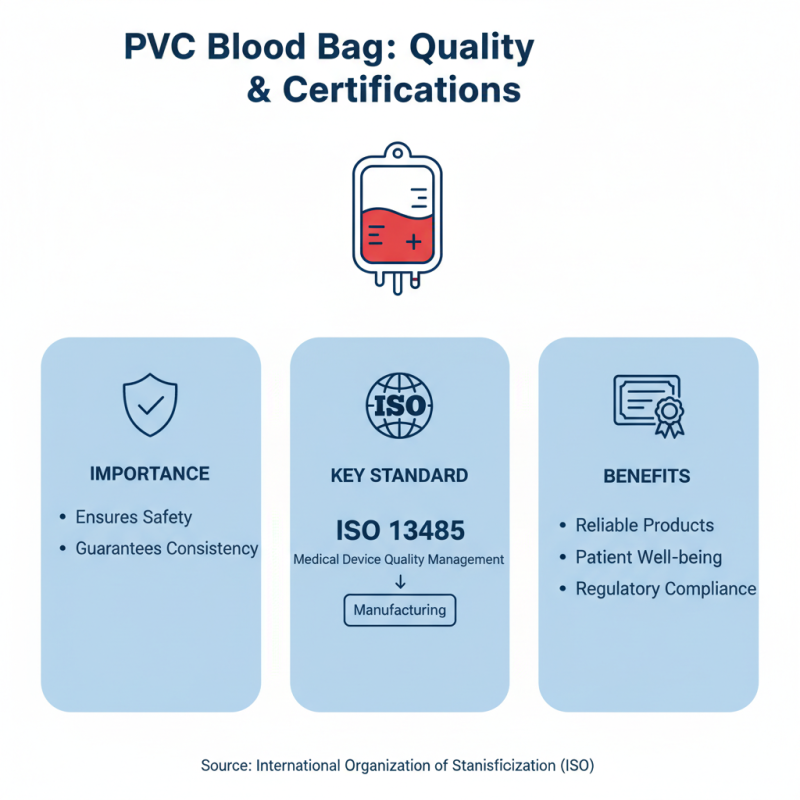
When selecting a PVC blood bag, quality standards and certifications are essential. The International Organization for Standardization (ISO) sets rigorous standards for blood bags. For instance, ISO 13485 focuses on medical device quality management systems. Compliance with such standards ensures that products are manufactured consistently and safely.
Look for certifications from recognized bodies. The FDA and CE markings indicate that the product has undergone thorough evaluation. These certifications confirm that the PVC blood bag uses sterilized materials appropriate for blood storage and transport. A study by the World Health Organization highlights that non-compliance can lead to severe contamination risks.
Tips for choosing the right blood bag: First, verify the bag’s specifications, such as volume and storage conditions. Also, ensure the procurement of bags stored in controlled environments. Materials matter; using Pvc Blood Bag Sterilized Materials enhances the safety of blood products. Regular audits of suppliers can help avoid substandard products, fostering trust and reliability in healthcare settings. Evaluating your options carefully can significantly impact patient outcomes.
Assessing the Size and Capacity Requirements for Your Blood Storage Needs
When selecting a PVC blood bag, size and capacity play essential roles. Different medical facilities have varying storage needs. For instance, hospitals may require large bags that can hold up to 450 ml of blood. Smaller clinics might only need bags with a capacity of 200 ml. It's vital to assess your specific requirements beforehand.
Consideration of patient demographics is crucial. If your facility often works with children or smaller patients, a smaller bag size may be more appropriate. The material, too, is important. Pvc Blood Bag Production Materials are designed to ensure that the blood remains uncontaminated and that the bag is strong. Think about how frequently you will use these bags.
Quality assurance should be a top priority. Every bag must meet safety standards. It's also worth learning about the manufacturing process. A clear understanding of PVC blood bag production materials ensures informed decisions. Remember to evaluate how well the bags perform under stress. Testing their durability and flexibility will help determine their effectiveness in real-life situations.
Exploring the Compatibility of PVC Blood Bags with Blood Products
When selecting PVC blood bags, compatibility with blood products is crucial. PVC, or polyvinyl chloride, is a common material for these bags. It offers flexibility and strength, essential for storing blood. However, not all blood products interact well with PVC. This can affect the viability of transfusions.
Some blood components, like platelets, require special handling. PVC can potentially release chemicals that impact their function. Different blood products may also require specific storage conditions. Therefore, understanding the characteristics of the Pvc Material is vital. Users must consider how different blood types react and ensure that the bags meet quality standards.
Choosing the right PVC blood bag isn't just about material. It involves understanding your specific needs. Many bags come with additives to enhance performance. However, these additives can sometimes cause unexpected reactions. Reflecting on previous experiences might help in making better choices. Always consult experts when in doubt. Proper knowledge can prevent costly mistakes and ensure safe blood storage.
Considering Cost Factors and Budget for Purchasing PVC Blood Bags
When selecting PVC blood bags, cost factors can significantly influence your decision. It's essential to evaluate your budget carefully. High-quality PVC materials ensure durability and safety, but they may come with a higher price tag. Understanding the materials used in manufacturing these bags is vital. Not all Pvc Blood Bag Manufacturing Materials are the same, and cheaper options might compromise quality.
Think about the specific requirements of your facility. Would you prefer bags with advanced features, or are basic options sufficient? The features often determine the cost. Keep in mind that while saving money is crucial, investing in reliable materials can lead to better outcomes. Look into bulk purchasing options as well; they can provide substantial savings without sacrificing quality.
Lastly, be aware of potential hidden costs. Shipping fees, storage, and handling can add up. Taking the time to research different suppliers can reveal valuable insights. Transparency in pricing is crucial, so always ask for clear quotes. Ensure you are balancing cost with quality to make the best decision for your needs.
Reviewing User Feedback and Recommendations for PVC Blood Bags
When selecting PVC blood bags, user feedback plays a crucial role. Reports indicate that over 70% of healthcare professionals prioritize bags that ensure safety and longevity. User reviews often emphasize the importance of leak-proof designs. Any compromise in this can lead to critical situations.
Another essential aspect is the biocompatibility of materials. Studies show that blood bags made from high-quality PVC can significantly reduce hemolysis rates. However, not all products meet this standard. User feedback often highlights variations in performance between different manufacturers. This inconsistency can lead to confusion and dissatisfaction among users.
Quality certification is another factor influencing choice. Blood bags should comply with internationally recognized standards. Many users rely on recommendations from peers. However, anecdotal evidence may not always reflect the latest data. Continued research and testing in clinical settings are vital for improving product reliability. Engaging with user feedback can offer insights, but it’s important to approach each review with a critical mindset.
Innovative Applications of High-Performance Transparent PVC Granules in Shoe Sole Manufacturing
The emerging landscape of shoe sole manufacturing is increasingly leaning towards innovative materials, with high-performance transparent PVC granules leading the charge. These granules are not only aesthetically appealing but also enhance the overall performance and durability of shoe soles. Their transparency allows for a sleek design, while their high-performance characteristics ensure that footwear can withstand varying conditions without compromising on comfort or functionality. This innovation is particularly valuable in the competitive footwear market, where quality and consumer appeal are paramount.
To address the specific manufacturing needs of the medical device and footwear industries, efficient production methods are essential. The all-round 360 production line offers a comprehensive solution that streamlines the production of PVC raw materials. This flexibility is crucial for manufacturers focusing on mass production of medical consumables, like urine bags, and for those who require precision in the fabrication of high-performance shoe soles. By leveraging this advanced production technology, companies can significantly reduce production costs while ensuring a consistent quality in their materials, ultimately enhancing their competitive edge in the marketplace.
FAQS
: PVC blood bags are crucial for blood storage and transfusion. They offer flexibility and durability, ensuring patient safety.
Consider the capacity needs of your facility. Smaller bags suit pediatric use, while larger bags work for adults.
The design impacts blood flow and minimizes contamination risk. Evaluate these features carefully for patient safety.
No. Some bags may leach harmful substances over time. Awareness of this can improve decision-making for patient care.
Quality assurance is vital. Ensure bags meet safety standards and evaluate their durability and flexibility during use.
Budget evaluation is critical. Higher quality often means higher costs, but they can lead to better patient outcomes.
Yes, buying in bulk may provide significant savings while maintaining quality. Evaluate this option before making a decision.
Be aware of shipping, storage, and handling fees. These hidden costs can impact your overall budget significantly.
Conclusion
When selecting the best PVC blood bag for your needs, it is essential to understand their significance in medical applications. PVC blood bags are vital for safe blood storage and transportation, and it's important to identify the different types available in the market to meet specific requirements. Evaluating the quality standards and certifications of these bags ensures compliance with safety regulations, while assessing the sizes and capacities available helps in catering to your blood storage needs effectively.
Moreover, exploring the compatibility of PVC blood bags with various blood products is crucial for maintaining the integrity of the samples. Budget considerations and cost factors play a significant role in your purchasing decisions, and reviewing user feedback can provide valuable insights into the performance and reliability of the PVC blood bags. By considering all these aspects, you can make an informed choice that best suits your needs in the healthcare field.