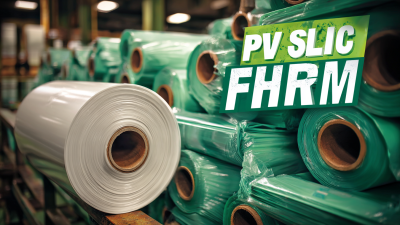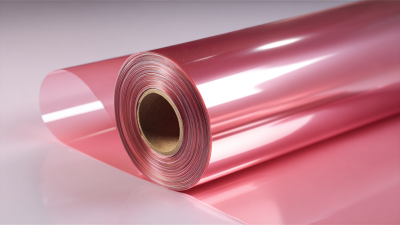
So, picking a reliable PVC Roll supplier? It's not just about who's got the lowest price. You've gotta think about material, thickness, width, finish, and honestly, what you're going to use the thing for. A roll might look perfectly smooth under those harsh warehouse lights, but once you get it into printing, fabrication, or installation, it can act completely different. And the small stuff? That's where it really gets you. Core size, edge condition, packaging, even consistent measurements—all of that can mess with handling and lead to avoidable waste you didn't see coming.
Okay, so before we dive in, a quick word from Daniel Mercer—our imaginary PVC sourcing guru, just so we’re clear. He likes to remind us: “A dependable supplier is one whose sample, specification, and delivered roll tell the same story.” Sounds simple, right? But actually verifying that? Not so much. So what can you do? Ask for the specs in writing, and get a sample from the actual production range—not just a fancy mock-up. And don’t stop there: check tolerances, minimum order quantities, lead times, and find out exactly how they handle defects. It’s a bit of homework, but it’ll save you headaches later. If it applies, go ahead and ask for the latest technical docs—and just double-check that the materials they mention actually fit what you're working on.
Look, these 10 suppliers? They're more of a jumping-off point than some definitive best-of list. You're buying globally, so keep in mind that stuff like production capacity, export experience, how they communicate, and shipping really depends on the product and the order. So compare apples to apples. If a quote seems super low, it might not include packaging or freight—whereas a more detailed one will show those costs right away. And hey, a shiny catalog doesn't automatically mean the quality is consistent. So do your homework before you commit, and maybe leave space for a second check.
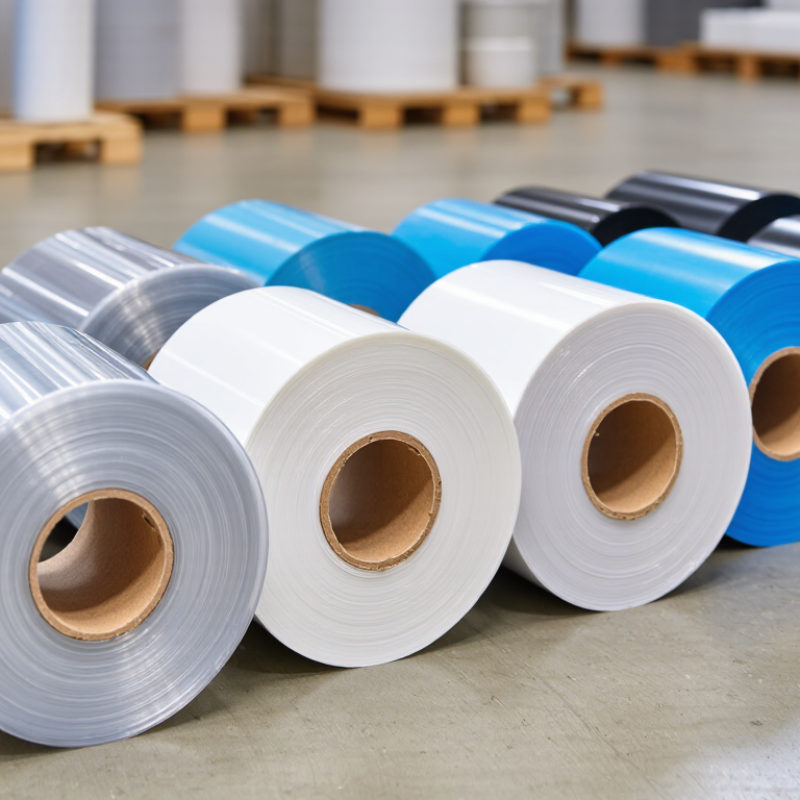
A Pvc Roll is a flexible sheet wound around a core, but its performance depends on more than appearance. Thickness, surface finish, flexibility, and temperature tolerance shape how it works in real settings. A clearPvc Film Roll may protect a table or cover goods, while colored or printed material can support signs and displays. Small differences matter.
Applications range from packaging and interior coverings to agriculture, construction, and event decoration. In a greenhouse, a roll may need to transmit light and withstand repeated handling. For a workshop curtain, flexibility and resistance to scuffs may matter more. Buyers should request technical data and sample pieces, then check the material under actual lighting and handling conditions. Looks can mislead.
Storage and shipping deserve attention too. Rolls can crease or deform if tightly compressed, exposed to heat, or stored unevenly. Ask about roll width, core diameter, packing method, and recommended storage conditions before placing a large order. Specifications are useful, though they do not replace a hands-on test. I would not assume that a roll suited to one climate or task will perform equally well elsewhere; that assumption is easy to make and costly to correct.
Pvc Rolls commonly include clear flexible film, colored or printed sheeting, coated fabric, and flooring or protective layers. A clear roll for a window panel needs good light transmission; coated fabric needs durable seams and abrasion resistance. Calendered film is often selected for economical, wide runs, while cast film can offer better gauge consistency or surface detail. Formulation still matters.
Plastics Europe’s Plastics – the Fast Facts 2024 reports 413.8 million tonnes of global plastics production in 2023. That figure covers all plastics, not PVC alone, but shows the scale of material supply behind roll products. Buyers should compare thickness and tolerance, usable width, tensile strength, elongation, haze, and service temperature. ASTM D882 covers tensile testing; ASTM D1003 measures haze and light transmission. ISO 4593 provides a method for measuring film thickness.
Ask for test results tied to the actual product grade, not just a generic data sheet. A roll may look clear under warehouse lights, then appear hazy beside a bright window. Check UV exposure, cold flexibility, and chemical contact when the end use demands them. Easy to miss. Surface finish and winding tension also affect converting; a tight-looking roll can still wrinkle during feeding. Some specifications are not comparable unless test conditions match.
Use this product-category comparison to assess supplier capabilities; it is not a ranked directory of named companies. Dimensions are indicative commercial ranges, not guaranteed specifications. Actual values depend on formulation, construction, and application, so confirm the technical data sheet and test method with each supplier.
| PVC Roll Type / Supplier Capability | Typical Applications | Common Commercial Dimensions | Key Performance Specifications to Compare | Buyer Checks |
|---|---|---|---|---|
| 1. Clear flexiblE Pvc film | Protective covers, window panels, packaging, and general-purpose transparent sheets. | Approximately 0.08–1.0 mm thick; roll widths commonly around 1–2 m. | Thickness and tolerance; clarity or haze; flexibility; tensile and tear properties; low-temperature performance. | Request haze/transmittance data where visibility matters; confirm plasticizer and applicable chemical-compliance requirements. |
| 2. Opaque flexible PVC film | Industrial curtains, liners, stationery, covers, and fabricated goods. | Approximately 0.10–1.5 mm thick; widths vary by calendering and converting equipment. | Thickness uniformity; Shore hardness; tensile strength and elongation; tear resistance; color consistency. | Specify the required hardness scale and test method; check batch-to-batch color tolerance and roll winding quality. |
| 3. Rigid PVC film or sheet roll | Folding cartons, formed packaging, display products, and protective packaging. | Commonly about 0.10–0.80 mm thick; roll width is equipment- and application-dependent. | Thickness tolerance; stiffness; impact resistance; forming behavior; surface finish and optical quality. | Confirm suitability for the intended forming process, product-contact rules where relevant, and storage conditions. |
| 4. PVC flooring roll | Residential, commercial, healthcare, and education flooring. | Often about 1.5–3.0 mm overall thickness; sheet goods are commonly supplied around 2 m wide. Wear-layer thickness varies by product. | Overall thickness; wear-layer thickness; dimensional stability; residual indentation; slip resistance; fire classification. | Ask for the classification and test reports required for the project. Relevant methods may include EN ISO 24346 for overall thickness and EN ISO 24340 for layer thickness. |
| 5. PVC-coated polyester fabric / tarpaulin | Truck covers, tents, awnings, temporary shelters, and industrial covers. | Coated constructions are often approximately 0.3–1.2 mm thick, with widths commonly around 1.5–3.2 m. | Base-fabric denier or mass; tensile and tear strength in both directions; coating adhesion; weldability; UV and weathering performance. | Compare the fabric construction as well as total weight; request test results by direction and confirm compatibility with the planned joining method. |
| 6. PVC geomembrane roll | Water containment, canals, reservoirs, tunnels, and other civil-engineering lining applications. | Common thicknesses are approximately 0.5–3.0 mm; roll widths depend on the product and installation system. | Thickness; tensile and elongation properties; tear and puncture resistance; low-temperature flexibility; seam strength; chemical compatibility. | Request project-specific compliance documents and seam-testing requirements. ASTM D6693 is one method used for tensile properties of unreinforced geomembranes. |
| 7. PVC roofing or waterproofing membrane | Roofing systems, building waterproofing, and selected below-grade applications. | Common membrane thicknesses are approximately 1.2–2.0 mm; available roll dimensions vary by system. | Thickness; reinforcement type; tensile and tear properties; dimensional stability; seam peel and shear strength; weathering resistance. | Confirm compatibility with the roof assembly, insulation, and adjacent materials; check the specified fire, wind-uplift, and installation approvals. |
| 8. PVC decorative or table-cover film | Table covers, furniture protection, laminated surfaces, and interior decoration. | Typically around 0.10–0.50 mm thick; roll widths often suit furniture and converting lines. | Surface finish; print and color consistency; abrasion and stain resistance; flexibility; dimensional stability. | For printed or laminated goods, verify print adhesion, coating structure, and cleaning-agent compatibility. |
| 9. PVC shrink film | Unitizing and overwrap packaging for selected products. | Often supplied at approximately 15–50 μm thickness; slit widths depend on the packaging line. | Free shrink in machine and transverse directions; shrink force; sealability; clarity; thickness uniformity. | Ask for shrink curves at the intended temperature and confirm machine-direction orientation and packaging-line compatibility. |
| 10. PVC self-adhesive film | Labels, graphics, signs, surface protection, and decorative applications. | Face film commonly ranges from about 0.08–0.20 mm; roll widths and lengths depend on the converting format. | Face-film thickness; adhesive type and coat weight; initial tack; peel adhesion; release-liner properties; outdoor durability where required. | Specify the substrate, application temperature, indoor/outdoor exposure, and removal requirements; request adhesion results for the intended surface. |
For global buyers, evaluating a PVC roll supplier means checking more than price. Ask for a current technical data sheet and compare thickness, width, surface finish, roll length, and core diameter with your production needs. A small mismatch matters. Request a production sample, then inspect the edges, winding tension, and surface marks under normal workshop lighting. The sample should match the stated specifications, not just look convincing.
Verify quality controls with dated inspection records, batch traceability, and test methods relevant to the intended use. Ask how the supplier handles out-of-spec rolls, replacement claims, and changes in raw materials. Clear answers matter. Check packing details too: end caps, moisture protection, roll labels, and pallet stability can prevent avoidable transit damage. Confirm capacity, realistic lead times, export references, and available shipping documents. Don’t rely on a brochure alone.
Compare quotes on a like-for-like basis, including minimum order quantities, setup charges, payment terms, and delivery conditions. A low unit price may hide costly variation. It is easy to overvalue polished communication; that can be a mistake. Keep written records of approved samples and tolerances, then check the first shipment against them. For Pvc Sheet Roll orders, a small trial shipment can reveal packaging or consistency issues before larger commitments.
Suggested evaluation weights for comparing suppliers. This is a sample procurement framework, not survey data or a ranking of specific companies.
Prioritize product quality and regulatory compliance, then verify production consistency, landed cost, logistics capability, and communication. Adjust the weights to match your product specifications and destination market.
A large integrated producer serves buyers needing steady PVC roll volumes and consistent thickness. Its wide production lines suit repeat orders. A regional calendering factory may offer shorter lead times and flexible widths, though its export paperwork can be slower. A specialist coating supplier focuses on gloss, matte, or textured surfaces. Request a physical sample; catalog images hide subtle finish differences. A recycled-content producer may help buyers seeking material efficiency, but color variation needs careful review.
A custom converter buys base rolls and handles slitting, rewinding, or sheet cutting. This can reduce work at the destination. A packaging-focused supplier often provides protective cores and moisture-resistant wrapping. Small details matter. A construction-material supplier may offer thicker rolls for coverings, while a signage supplier prioritizes smooth surfaces and print response. Ask for test data under your intended printing conditions. A trading exporter can consolidate orders from several factories, but traceability may be less direct.
A high-volume exporter typically has experience with container loading and shipping documents. A regional distributor can provide smaller lots and local stock, though selection may be narrower. A technical manufacturer may adjust formulation, hardness, or roll dimensions for specific uses. Confirm tolerances in writing. These profiles are not guarantees of performance; even capable suppliers can miss a detail. Compare samples, production capacity, packaging, and response times before placing a large order.
For global buyers, comparing PVC roll suppliers means checking production control, not just quoted price. Ask for usable roll width, thickness tolerance, winding quality, and batch traceability. Request a sample and measure it after unrolling; edge curl and uneven thickness can disrupt automated feeding. Small details matter.
Certifications help, but they are not proof of every product claim. Check whether the supplier’s ISO 9001 certificate covers the manufacturing site, then request current test reports for tensile strength, dimensional stability, and relevant chemical properties. PlasticsEurope’s Plastics—the Fast Facts 2024 report estimates global plastics production at 413.8 million tonnes in 2023. That scale makes consistent material specifications and traceable batches especially important across supply chains. A certificate may cover the factory, not every roll.
Compare suppliers against the target market. Construction buyers may need outdoor weathering data, while packaging and signage buyers may prioritize flexibility, print performance, or surface finish. Confirm available widths, lead times, export packing, and whether technical support can investigate a failed sample. A Pvc Roll Sheet that performs well in a showroom may behave differently on a production line. Paperwork can look tidy; the sample may still curl. Ask how the supplier handles that.
When requesting quotes from PVC roll suppliers, send one complete specification sheet. State roll width, length, thickness, acceptable tolerances, core diameter, surface finish, and intended use. Include photos or a marked-up sample if clarity or texture matters. For Clear Pvc Roll, clarify whether you need a protective film, specific transparency, or UV resistance. Small omissions create large price differences.
PlasticsEurope’s Plastics – the Fast Facts 2023 report estimates global plastics production at 400.3 million tonnes in 2022. That scale makes precise specifications and traceable order records especially useful. Ask suppliers to separate material, conversion, packaging, and freight costs. Request the minimum order quantity, production lead time, payment terms, and quote validity. Shortlisted suppliers should provide a current sample and written confirmation of test methods. A polished quotation is not proof of consistent production.
Before paying a deposit, compare the pro forma invoice against your approved specification and purchase order. Check the product description, dimensions, tolerances, quantity, packing method, delivery terms, and shipment date. Request dated production photos or inspection records for larger orders, and confirm who handles any defect claim. Keep emails, approved samples, and revisions together. One imperfect step is relying on a sample alone; production batches can still vary. A pre-shipment inspection may be worthwhile when the order value is high.
Translucent soft PVC granules offer a useful balance of flexibility, toughness, and visual clarity for products such as hot water bags and rain shoes. Formulated and processed appropriately, the material can help finished goods bend comfortably while resisting everyday handling and wear. Transparency also lets manufacturers create a clean, polished appearance and inspect material uniformity during production. Plastics Europe’s *Plastics – the Fast Facts 2023* reports that PVC represented about 12.1% of global plastics production in 2022, indicating its established role among widely used polymers. For product makers, consistent granule quality and controlled processing are important to achieving reliable softness, color, and dimensional stability.
After molding or forming, accurate cutting and smooth material transfer can support efficient production of PVC components. An all-round 360-degree cutting-line group can automate tube feeding, precise cutting, and transmission, helping reduce manual handling and keep workflows consistent. Its graphical nesting-programming interface, built on a familiar CAD platform, enables operators to arrange cutting tasks intuitively and improve material utilization. Used where tubular profiles or cut components are part of the manufacturing process, this type of equipment complements flexible PVC production by bringing repeatability and operational efficiency to downstream fabrication. As a China-based supplier and factory, we provide cutting solutions designed for dependable performance in modern production environments.
Thickness, flexibility, surface finish, and temperature tolerance all matter. A clear sheet may cover a table; printed material can support signs. Looks can mislead.
Uses include packaging, interior coverings, agriculture, construction, and event displays. Greenhouses may need light transmission, while workshop curtains need flexibility and scuff resistance.
Request a technical data sheet and sample piece. Check the material under your actual lighting and handling conditions. A quick glance is not enough.
Measure thickness and usable width after unrolling. Check the edges, winding tension, surface marks, and edge curl under workshop lighting. Small details matter.
Ask for dated inspection records, batch traceability, and relevant test methods. Confirm what a certificate covers; it may apply to a factory, not every roll.
Compare minimum order quantities, setup charges, payment terms, and delivery conditions alongside unit price. A low price may hide costly variation. That deserves a second look.
Ask about end caps, moisture protection, roll labels, pallet stability, core diameter, and storage conditions. Heat, tight compression, or uneven storage can deform rolls.
It can reveal packaging damage or inconsistent material before a larger order. Keep approved samples and tolerances on record, then compare the first shipment. I might still miss a problem.
This guide introduces Pvc Roll products and explains how their material, thickness, width, finish, and performance characteristics influence use across industries and markets. It outlines common roll types and key specifications, helping buyers match product options to practical requirements such as durability, flexibility, clarity, and intended application.
For international sourcing, the article describes how to assess suppliers by reviewing production capabilities, quality controls, certifications, export experience, and target markets. It also presents profiles of ten suppliers serving global buyers and compares their capabilities to support informed evaluation. The final section offers a practical process for requesting quotations, clarifying specifications and delivery terms, checking documentation, and verifying order details before confirming a purchase.