Hey, have you noticed how everyone's talking about high-quality PVC rigid film lately? It’s because the demand is just blowing up across so many industries. In 2023, the global market for Pvc Films hit around $12 billion, and it’s still growing, mainly fueled by packaging needs and the automotive world. Companies big and small are stepping up their game, trying to improve their production processes to keep up with the rising standards.
Some of the major players like INEOS, Westlake Chemical, and Formosa Plastics are really making strides—focusing on better quality and more efficient production. They’re also putting effort into eco-friendly practices, which is pretty impressive. But, honestly, it also raises some questions about how sustainable all this really is. PVC Rigid Film is super versatile, but recycling it is still a tricky business, and we definitely need to see some real improvements on that front.
When you're choosing a supplier, it’s pretty important to be careful. Not all manufacturers are the same—some might cut corners to save costs, which is obviously not great. So, it’s a good idea to look into their certifications and product details before making any decisions. Looking ahead, the future of PVC rigid film really depends on how innovative and responsible companies can be. We need more sustainable solutions if this industry is going to keep growing responsibly.
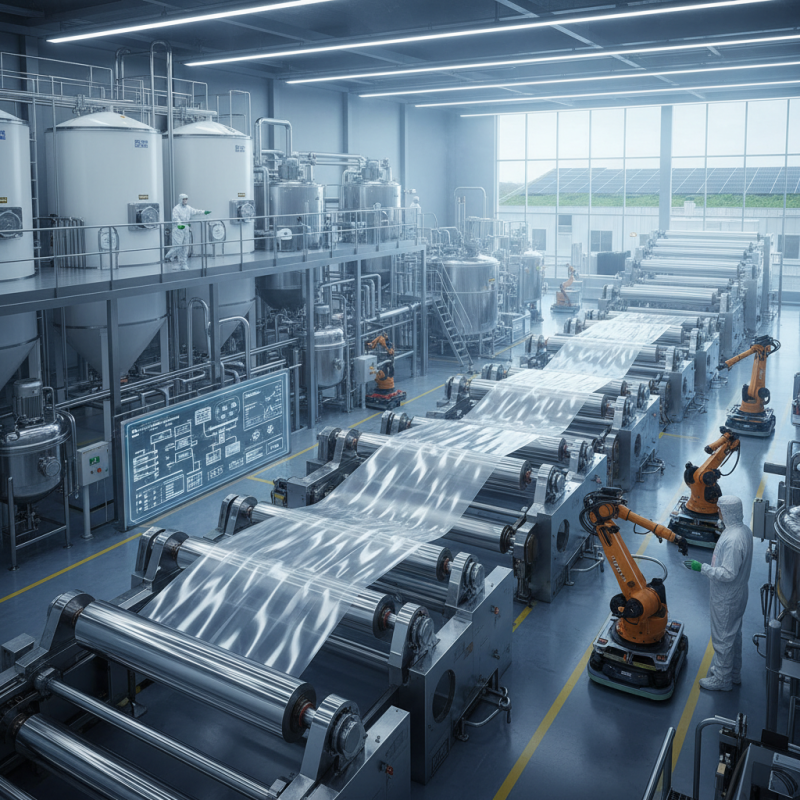
Overview of PVC Rigid Film and Its Applications in Various Industries
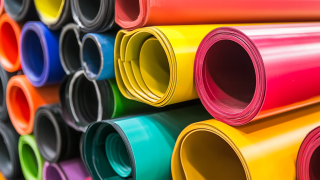
PVC rigid film is a versatile material used in many industries. It is known for its durability and lightweight properties. Many manufacturers favor it for packaging solutions. The film is often used in food packaging, electronics, and medical applications. Its ability to be easily shaped makes it ideal for various products.
In the food industry, PVC rigid film helps preserve freshness. It wraps meats, vegetables, and even baked goods. In electronics, it is used for protective coverings. The medical sector benefits from its use in packaging sterile equipment. However, the environmental impact of PVC films raises concerns. The recycling process is often complicated and not widely implemented. This creates a challenge for sustainability advocates who seek to reduce plastic waste.
The demand for high-quality PVC rigid films continues to grow. As industries expand, so does the necessity for materials that meet safety standards. Manufacturers face pressure to innovate. They need to create more sustainable options. This includes developing films that are easier to recycle and less harmful to the environment. Addressing these issues is essential for the future of PVC film applications.
Applications of PVC Rigid Film in Various Industries
Key Characteristics of High-Quality PVC Rigid Films
When exploring the high-quality PVC rigid films, it's essential to understand their key characteristics. These films typically showcase excellent clarity and surface finish. According to a recent industry report, over 70% of manufacturers prioritize transparency in their production processes. This ensures that the final product meets the visual standards required in packaging and displays.
Another vital aspect is the rigidity of the film. High-quality films maintain structural integrity even in extreme conditions. Rigid Pvc Film Manufacturers often invest in state-of-the-art technology to enhance durability, which is crucial for industrial applications. Furthermore, thickness plays a significant role in film performance. Films that are 0.5mm thick or more often exhibit superior handling and transportability.
However, there are concerns regarding the environmental impact of PVC production. With a growing emphasis on sustainability, some manufacturers struggle to balance quality and environmental compliance. The pressure to reduce carbon footprints may affect production processes. Industry experts are advocating for greater transparency surrounding these issues. Ensuring high-quality production while being mindful of environmental responsibility is a challenging task for many in the sector.
Best High-Quality PVC Rigid Film Factories You Should Know
| Factory Location | Production Capacity (tons/month) | Film Thickness (mm) | Applications | Quality Certifications |
| Location A | 300 | 0.2 - 3.0 | Packaging, Printing | ISO 9001, RoHS |
| Location B | 450 | 0.3 - 2.5 | Automotive, Electronics | ISO 14001, CE |
| Location C | 500 | 0.2 - 4.0 | Construction, Medical | FDA, ISO 13485 |
| Location D | 200 | 0.15 - 2.0 | Food Packaging | BRC, ISO 22000 |
Top PVC Rigid Film Manufacturers: Market Share and Rankings
When exploring the market for high-quality PVC rigid films, it’s important to look at key manufacturers. They play a vital role in the supply chain. Understanding their market share can help identify the top players. These manufacturers often vary in production capacity and technology. Some may excel at customization, while others focus on bulk production.
Tips: Always check the latest industry reports to understand who leads the market. This can save time and enhance your decision-making process.
Innovation is significant in the PVC rigid film sector. Many factories invest heavily in research and development. However, not all are transparent about their production methods. Some might lack sustainable practices. This raises concerns about environmental impact. Scrutinizing these aspects is crucial before choosing a supplier.
Tip: Look for certifications that indicate eco-friendly practices. This ensures you partner with responsible manufacturers.
Quality control is another essential factor. Some factories may struggle with consistency in their products. This can lead to issues in the supply chain. It’s worth assessing their quality assurance processes. Do they have a reliable testing method? These questions can uncover important insights into potential suppliers.
Comparative Analysis of Production Techniques in PVC Film Manufacturing
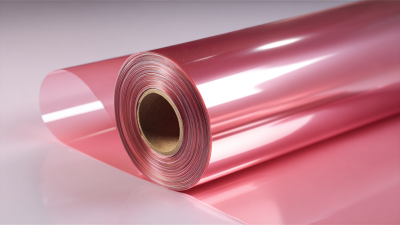
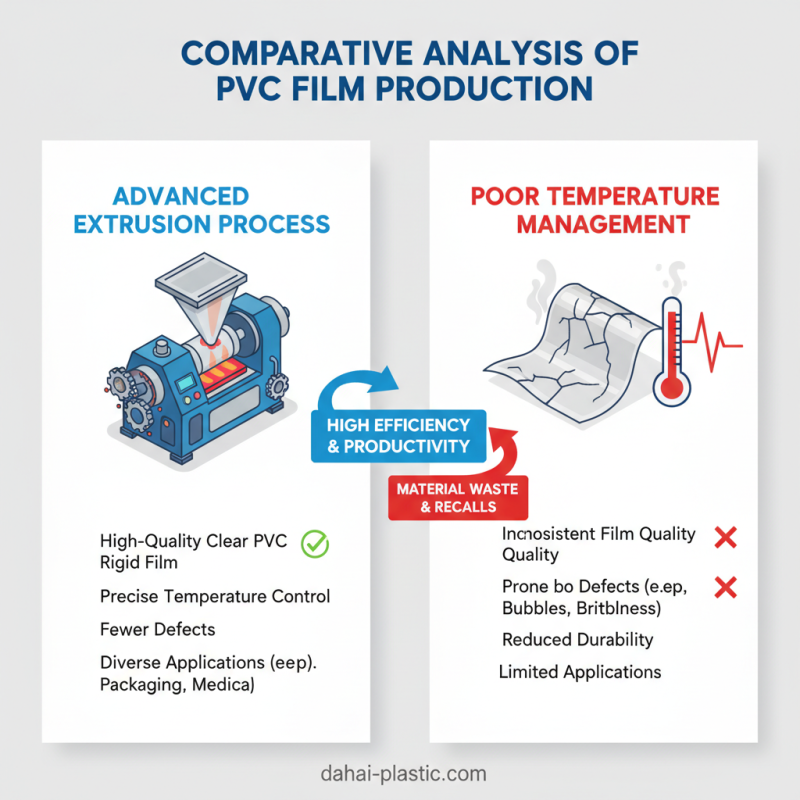
The production techniques in PVC film manufacturing can vary significantly. Many factories utilize advanced extrusion processes. This results in high-quality Clear Pvc Rigid Film, ideal for various applications. The temperature control during extrusion is critical. Poor temperature management can lead to defects and inconsistencies.
Some manufacturers employ multi-layer technology. This technique allows for enhanced properties like durability and flexibility. However, it can increase production complexity. Not all factories achieve optimal results with this method, leading to varying product quality. Additionally, the choice of raw materials plays a crucial role in the final product.
While automation enhances efficiency, human oversight is still essential. Operators must monitor the process closely. Even simple mistakes can cause significant issues. Understanding the balance between technology and craftsmanship is key. This dynamic can determine the quality of Clear PVC Rigid Film produced. The industry continues to evolve, highlighting the need for constant learning and adaptation.
Sustainability Practices in PVC Rigid Film Factories
Sustainability is a growing concern in the production of High Quality Pvc Rigid Film . Many factories are exploring greener practices. These practices include reducing waste and recycling material. Innovations in technology now allow for more efficient use of resources.
Tip: Look for factories that prioritize eco-friendly practices. Visiting their sites can provide insight into their sustainability efforts. Seeing their operations firsthand is often enlightening.
Many factories are also focusing on energy efficiency. They are investing in renewable energy sources. However, some still rely on traditional energy methods. This inconsistency raises questions about genuine commitment to sustainability.
Tip: Research the energy sources used by these factories. Understanding their reliance on fossil fuels versus renewables can reveal their long-term sustainability goals. Small changes today can lead to significant impacts tomorrow.
Global Trends Influencing the PVC Rigid Film Market
The Pvc Rigid Film market is facing significant shifts due to various global trends. Sustainability is leading manufacturers to reassess production processes. According to a recent report, the demand for eco-friendly materials is increasing by approximately 8% annually. This emphasizes the need for factories to innovate.
Another influencer is the rise in packaging applications. Industries like food and electronics are moving towards shatterproof and lightweight materials. PVC rigid film is favored here for its durability and versatility. Market analysts predict this segment could grow by more than 5% by 2025. This presents both opportunities and challenges.
Trade policies are also crucial. Tariffs may impact material costs and influence supplier choices. For instance, fluctuating resin prices can alter manufacturing decisions. Companies must adapt or risk falling behind. There’s a need for agility in responding to these market dynamics. As trends evolve, factories should continually reflect on their practices to stay competitive in the PVC rigid film landscape.
Quality Control Standards in PVC Rigid Film Production
Quality control in PVC rigid film production is paramount. Factories often implement rigorous testing methods. These tests ensure that the films meet specific standards. Visual inspection, thickness measurement, and tensile tests are common practices. Each batch undergoes these checks to avoid inconsistencies.
However, challenges persist in maintaining quality. Variability in raw materials can affect the final product. Even minor fluctuations can lead to defects. Some factories may overlook these issues to meet demand. This can create a ripple effect on quality.
Sustainability also plays a role in quality control. Factories face pressure to reduce waste and adopt eco-friendly practices. It's not easy to strike a balance. Producing high-quality PVC while minimizing environmental impact requires innovation. Continuous assessment and improvement are necessary to achieve these goals.
The Impact of Superior Quality 1.14mm Super Clear Decorative Laminated Glass Eva Film on Architectural Safety and Aesthetic Trends: An Industry Data Analysis
The architectural industry is witnessing a significant shift towards materials that not only enhance safety but also elevate aesthetic appeal. The introduction of Superior Quality 1.14mm Super Clear Decorative Laminated Glass Eva Film exemplifies this trend, offering unparalleled transparency and durability. This film serves as an exceptional choice for a variety of applications, ranging from soft glazing to high-end commodity packaging. Its unique qualities ensure that structures maintain both an attractive appearance and a high level of safety, appealing to modern design sensibilities.
In addition to its aesthetic benefits, the 1.14mm Super Clear Decorative Laminated Glass Eva Film meets the evolving demands of industrial production. Its superior processability allows it to be seamlessly integrated into various products such as shoes, curtains, and handbags. The robust nature of this film enhances the longevity and performance of these items, making it the preferred material for manufacturers looking to provide premium offerings. As the architectural landscape continues to prioritize both form and function, this innovative film stands out as a leading solution aligned with current industry trends.
FAQS
: High-quality PVC rigid films feature excellent clarity, surface finish, and rigidity, ensuring structural integrity under extreme conditions.
Films that are 0.5mm thick or more offer better handling and transportability, enhancing performance in various applications.
Manufacturers face pressure to balance quality with sustainable practices, which may affect their production processes and carbon footprints.
It's crucial to check for certifications and seek information on eco-friendly practices to ensure responsible manufacturing.
Some manufacturers struggle with product consistency, leading to potential supply chain problems. Reliable testing methods are key.
Advanced extrusion and multi-layer technology are popular, but temperature control and raw material choices significantly impact product quality.
Innovation drives advancements in quality and sustainability, but not all factories are transparent about their practices or prioritizing eco-friendly methods.
While automation increases efficiency, human oversight remains essential to prevent mistakes that could compromise product quality.
Investment in R&D helps factories improve their products, yet not all companies are open about their development processes.
Consider their market share, production capacity, quality control practices, and commitment to sustainability before making a decision.
Conclusion
The article "Best High-Quality PVC Rigid Film Factories You Should Know?" provides an in-depth exploration of PVC rigid film, emphasizing its diverse applications across various industries, such as packaging, signage, and construction. It highlights the key characteristics that define high-quality PVC rigid films, including durability, clarity, and resistance to environmental factors.
Furthermore, the article examines leading manufacturers within the PVC rigid film market, outlining their market shares and production rankings. A comparative analysis of production techniques reveals the advancements that contribute to efficiency and quality. The discussion extends to sustainability practices adopted by PVC rigid film factories, illustrating the industry's response to environmental concerns. Lastly, the article addresses global trends shaping the PVC rigid film market and underscores the importance of adhering to stringent quality control standards to ensure consistent product excellence.