You know, in today’s world, it’s pretty clear that keeping our food fresh and safe is more important than ever. And one handy tool that’s often a game-changer is PE Cling Wrap. Here at Jiangsu Dahai Plastics Co., Ltd., we’ve been around since 1996, specializing in making all kinds of Pvc Films. But honestly, what really stands out for us is how versatile and easy to use PE Cling Wrap is. We offer a bunch of options, like super transparent film and regular transparent film, but this particular wrap hits it out of the park for everyday use. In this little deep dive, I want to share why PE Cling Wrap is so beneficial — from how it’s safe for contact with food, to the different ways it can be used at home or in a commercial setting. Plus, we’ll touch on the environmental side of things because, let’s be real, that matters too. By understanding all this, folks can make smarter choices that not only keep their food safe but also help out with sustainability efforts. It’s all about making better decisions, you know?
Benefits of PE Cling Wrap for Food Safety and Preservation
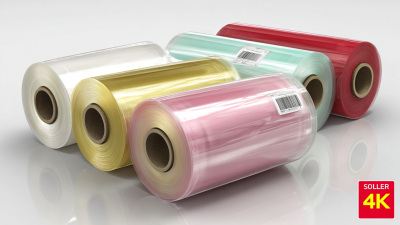
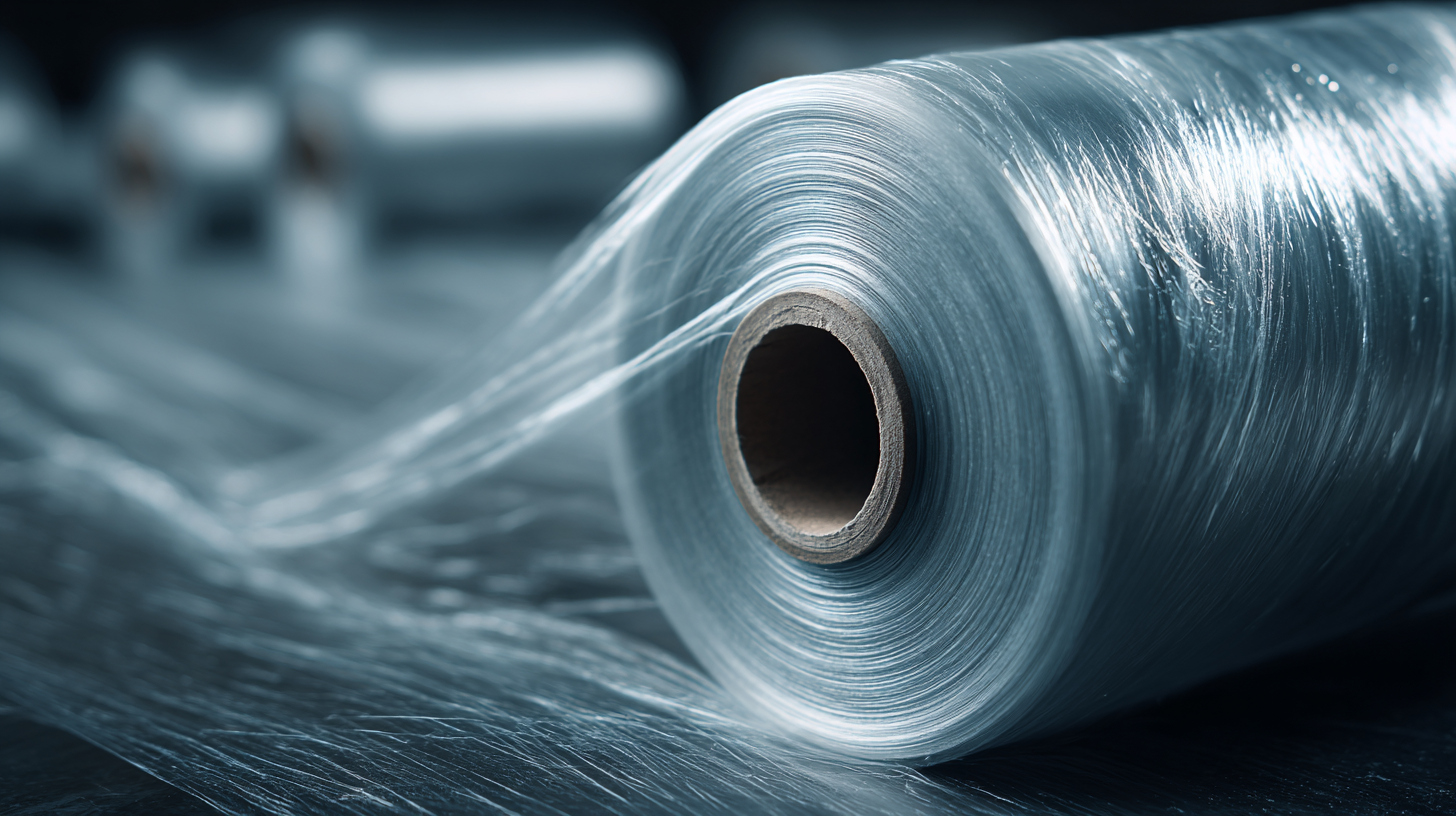
Pe Cling Wrap is honestly a must-have when it comes to keeping your food fresh. Made from polyethylene, this stuff is super versatile—it's clear, moisture-resistant, and can really hang tight around your leftovers or produce. Basically, it acts like a protective shield, locking out air and slowing down spoilage. That way, your fruits, veggies, and snacks stay fresh longer—and save you from wasting food.
A couple of pro tips when you're using cling wrap: first, make sure the food surface is nice and dry before wrapping it up. That helps it stick better and makes the seal extra snug. Also, try not to get the film too hot—heat can mess with its strength. And if you want to keep things fresh even longer, pop those wrapped goodies in the fridge.
At Jiangsu Dahai Plastics Co., Ltd., we’re all about high-quality PVC films—whether you’re after translucent, super clear options, or other packaging solutions. Our goal isn’t just functionality; we care about safety and the environment too. That’s why many folks trust us for their food packaging needs.
Diverse Applications of PE Cling Wrap in Daily Life
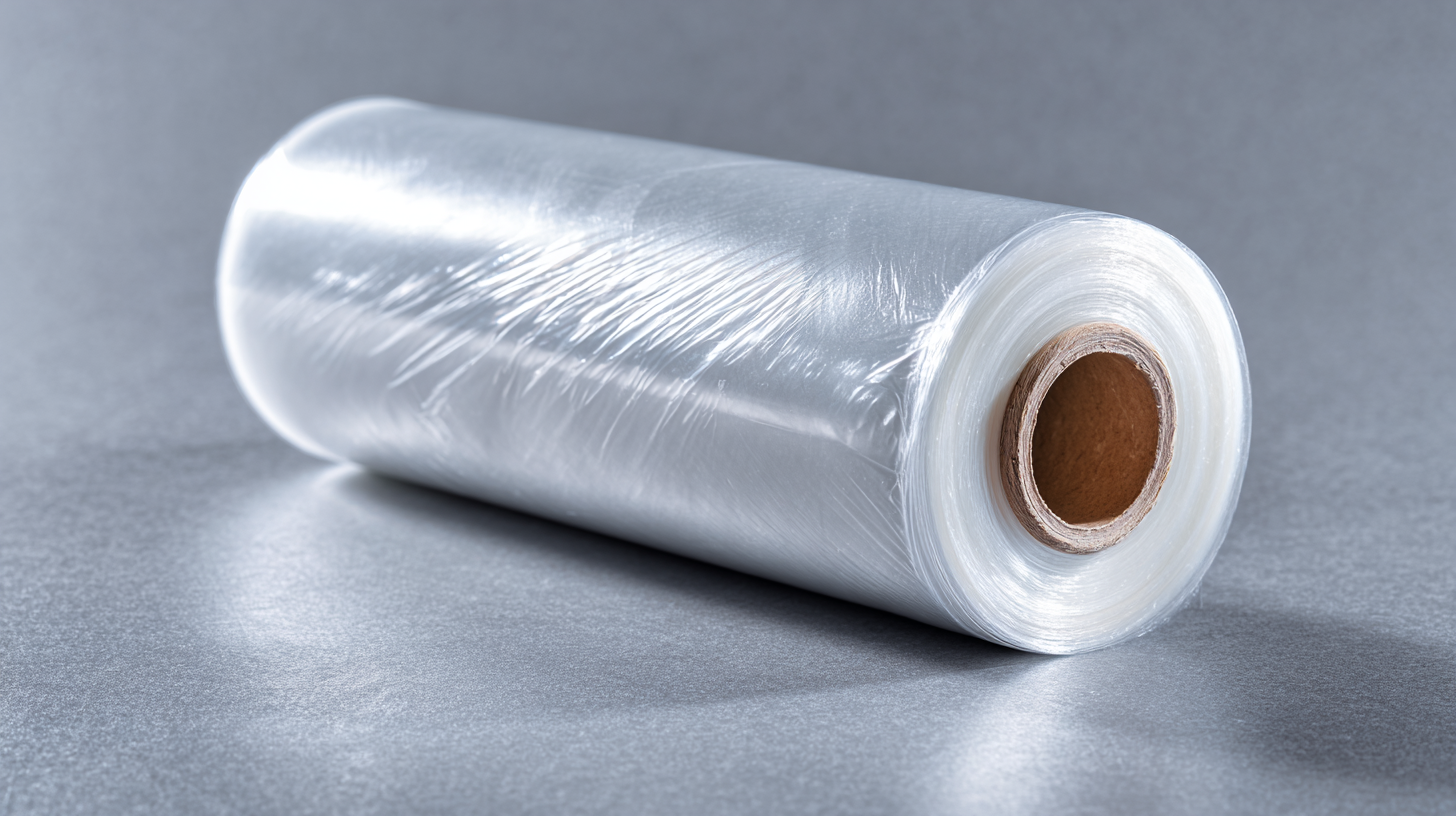
PE cling wrap is one of those everyday essentials that’s super versatile—lots of us probably think of it just for the kitchen, but it actually has way more uses than you might realize. Its ability to stretch and stick makes it perfect for keeping food fresh and safe from outside contaminants. In fact, a report from Smithers Pira mentioned that by 2025, the global demand for cling films, including polyethylene ones, is expected to hit around 2.77 million tons. That kinda shows how important this stuff is, not just for wrapping up your leftovers, but also in packaging and ensuring food safety.
But hey, it’s not just for food! PE cling wrap is awesome for protecting fragile things when you’re shipping or moving—keeps dust and moisture at bay. And in hospitals, you’ve probably seen it used for sterile packaging or holding dressings in place. It’s pretty amazing how a simple plastic wrap can serve so many purposes.
Quick Tips: When you’re wrapping food, try to cover it completely—getting rid of any air helps it stay fresh longer. If you’re packing items for a move, a few layers can really make a difference in preventing breakage. Oh, and if you’re using cling wrap for food, always look for FDA-approved brands—that way, you know it’s safe and meets health standards.
Evaluating the Environmental Considerations of PE Cling Wrap
Lately, there's been a lot of talk about how environmentally friendly polyethylene (PE) cling wrap really is, especially with all the growing concerns about our planet. Turns out, some recent studies suggest that PE packaging isn’t as bad for the environment as we might have thought—actually, it might even be a bit better than other materials out there. For example, it seems that using PE cling wrap can help cut down on things like global warming impacts, energy use, and water shortages, making it a somewhat more eco-friendly choice for folks. This is probably because of how efficiently it's made and because of the properties of polyethylene itself, which help save on resources.
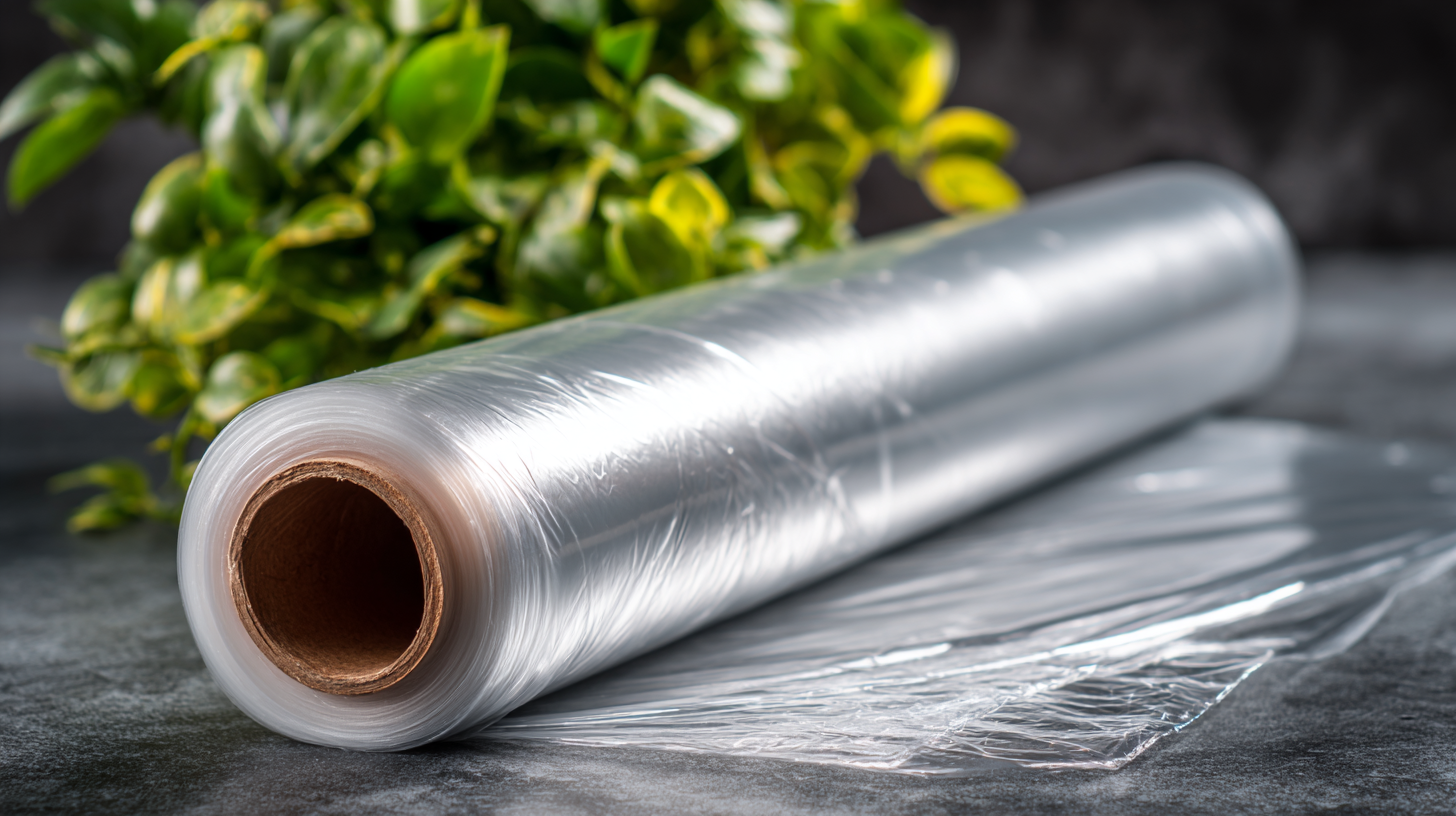
Plus, there's quite a bit of talk these days about sustainability, and people are calling for full life cycle assessments (or LCAs) of thermoplastics, including PE. These evaluations really highlight that, aside from keeping food fresh, PE cling wrap also tends to have fewer harmful effects on the environment. That said, the industry is always changing, and it's worth thinking about alternatives like biodegradable mulch films or other eco-friendly options that could do a better job at being sustainable, without all the drawbacks that come with traditional polyethylene. Finding that balance between the pros and cons is really going to shape how we approach packaging down the road.
Safety Standards and Regulations for PE Cling Wrap Products
PE cling wrap, made from good old polyethylene, is pretty much a household staple and a go-to in commercial kitchens for keeping food fresh. It’s always good to know the safety rules and standards that these wraps need to meet—because, honestly, it’s all about keeping us healthy, right? In lots of places, PE cling wrap has to follow strict FDA regulations, making sure the materials are totally safe to come in contact with our food. Manufacturers don’t mess around—they run all sorts of tests to make sure no harmful stuff leaks into your snacks. That’s why it’s generally a trusted, reliable choice when you’re wrapping up leftovers or prepping meals.
Now, when you’re using cling wrap, here are a few tips to keep things safe and working smoothly. First off, avoid tossing it in the microwave unless the package explicitly says it’s microwave-safe—heat can weaken it or cause it to break down. Also, make sure to keep your cling wrap sealed tight and stored somewhere cool and dry—this keeps it fresh and safe for use. And if you’re super cautious, go for products labeled as BPA-free—they’re designed to meet the highest safety standards.
Oh, and don’t forget about the environment! Some states have started cracking down on certain plastics, including cling wraps. So, it’s a good idea to look for eco-friendly options—recyclable or biodegradable ones—so you’re not only protecting your food but also doing a little something for the planet. The key is to find a safe, sustainable choice without having to compromise on food safety.
Innovative Uses of PE Cling Wrap Beyond Food Storage
Most folks see PE cling wrap just as a go-to for keeping food fresh in the kitchen, but honestly, it’s got way more tricks up its sleeve. Believe it or not, a lot of artists and DIY enthusiasts are using it to add some cool textures and effects to their projects. I remember reading a survey from 2021 by the Craft and Hobby Association — nearly half of the hobbyists, around 45%, said they rely on plastic wrap for their mixed media art. It’s pretty amazing how experimenting with different wrapping techniques can lead to some really stunning paint textures and surface designs that you wouldn't get otherwise.
And here's a little tip: you can also use PE cling wrap for quick household organization. Maybe you’re trying to declutter or just keep things tidy — wrapping up small items or grouping similar things together with it makes packing way easier. A 2022 report from the Home Organization and Storage Association mentioned that about 60% of folks find cling wrap super handy for those quick fix organization tasks. It’s honestly a simple trick to cut down on clutter and make the most of your space.
A couple of quick tips to get the most out of your cling wrap — don’t just think food! Use it to protect fragile stuff like dishes or glassware when you’re moving. Wrap each piece individually to avoid breakage. Also, if you’re painting or doing arts and crafts, cover your paint palettes with cling wrap to keep the paint from drying out — it’ll help your supplies last longer. So yeah, it’s a pretty versatile little tool more people should probably be taking advantage of.
Understanding the Benefits of PE Cling Wrap: A Deep Dive into Its Safety, Uses, and Environmental Impact
| Dimension | Details |
| Material Composition | Polyethylene (PE) |
| Common Uses | Food storage, wrapping, protection of surfaces |
| Key Safety Features | Non-toxic, BPA-free, suitable for food contact |
| Environmental Impact | Recyclable, lower environmental footprint than some alternatives |
| Innovative Uses | Covering paint palettes, crafting projects, protecting electronic devices |
| Storage Recommendations | Cool, dry place away from direct sunlight |
| User Feedback | Versatile, easy to use, effective for keeping food fresh |
Comparing PE Cling Wrap with Alternative Wrapping Materials
When you're talking about keeping food fresh, PE cling wrap often gets compared to other stuff like aluminum foil and wax paper. Honestly, aluminum foil is super good at blocking out light and can handle heat pretty well, but, yeah, it’s not microwave-safe, so that kinda limits what you can do with it. Wax paper, on the other hand, is eco-friendly and works for lots of kitchen jobs, but it doesn’t seal everything airtight, which is kinda important if you want your food to stay fresh longer. That’s where PE cling wrap really shines — it’s super flexible, safe, and does a great job at keeping food fresh by blocking air. Plus, unlike some other options, you can recycle it (when done the right way), so it’s a bit friendlier to the environment. Sure, I get that plastic waste is a concern for many folks, but with new innovations in recycling and materials, PE cling wrap is becoming a smarter, greener choice — at least compared to some traditional options. As more people start thinking about what they’re using, it’s clear that PE cling wrap offers a nice mix of convenience, safety, and making greener choices without too much hassle.
FAQS
: PE cling wrap is primarily used for food preservation, helping maintain freshness and preventing contamination.
Besides food storage, PE cling wrap is used for protecting fragile items during shipping, in medical sterile packaging, and for DIY crafting projects.
PE cling wrap helps ensure food safety by covering food completely to minimize air exposure, which helps prolong freshness and prevents contamination.
Always check for FDA-approved cling wraps to ensure safety and compliance with health regulations when dealing with food.
PE cling wrap can be used to group small items together, making it easier to package and store, which helps reduce clutter.
Yes, many artists and crafters utilize PE cling wrap in mixed media projects to create unique textures and effects.
It is recommended to wrap fragile items like dishes or glassware individually in multiple layers of cling wrap to prevent damage during transit.
Covering paint palettes with cling wrap prevents drying, which helps extend the life of the paints.
Conclusion
PE Cling Wrap is pretty much a must-have when it comes to keeping food safe and fresh. It’s that reliable barrier we all rely on to lock in flavor and prevent spoilage. But honestly, its uses go way beyond just the kitchen — I’ve seen people use it for everything from wrapping up leftovers to securing non-food stuff in a pinch. Of course, when we talk about its environmental impact, it’s worth weighing its practicality against how recycling tech is improving all the time.
Also, you can rest assured that PE Cling Wrap meets all the safety standards and regulations — no worries there about it being safe for contact with food. What’s pretty cool is how versatile this stuff really is; it’s not just for food anymore. You’ll find it used across different industries in pretty creative ways. When you compare it with other wrapping options, PE Cling Wrap usually wins thanks to its stickiness and clear appearance, making it a top pick for many folks. And with companies like Jiangsu Dahai Plastics Co., Ltd. still pumping out high-quality PVC films, it’s no surprise that the demand for safe, reliable wrap solutions like this keeps trending upward.